

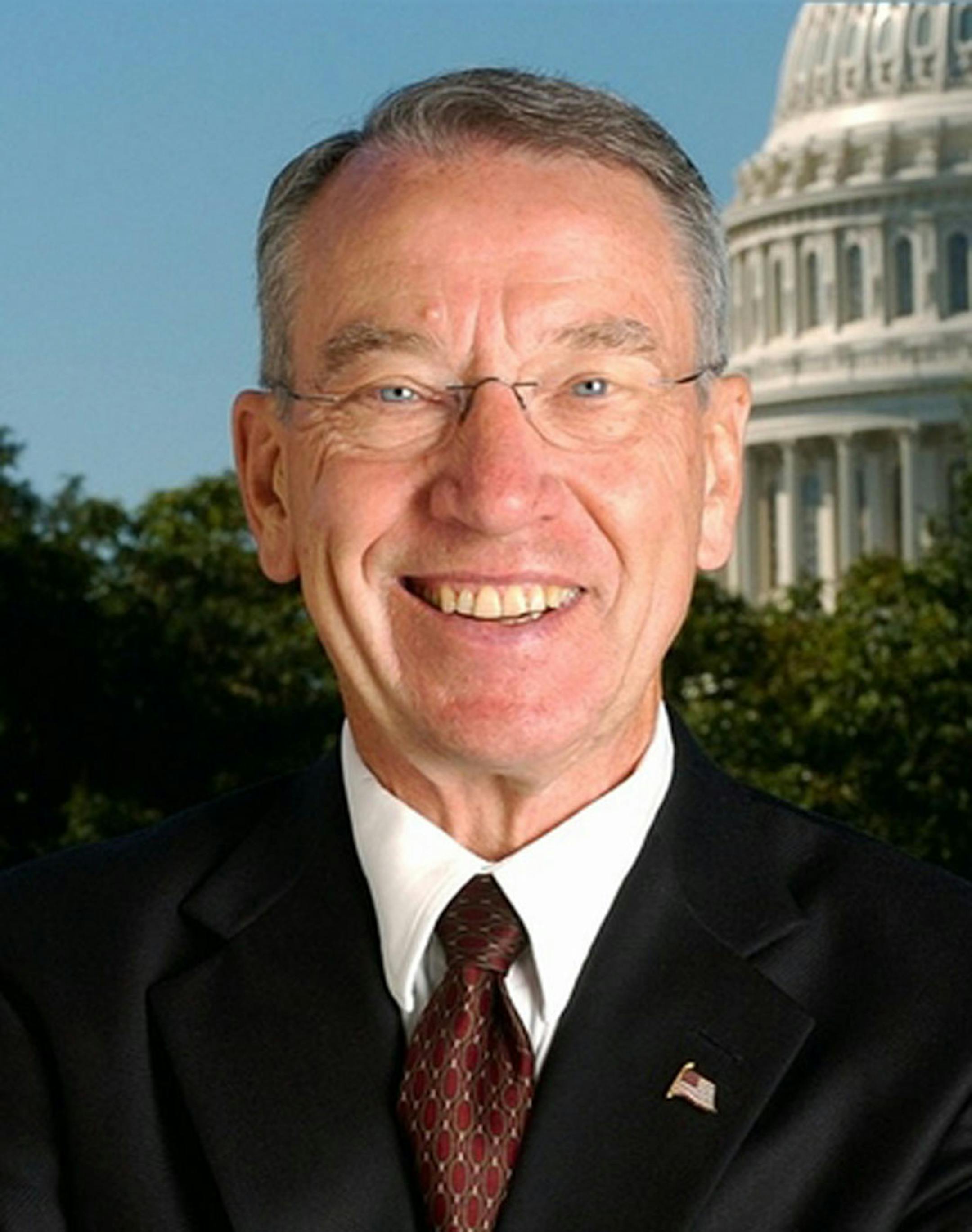
A prominent member of the Senate Finance Committee is looking into some niche health insurance plans offered to AARP members to see if they mislead purchasers into thinking the coverage is greater than it actually is.
The inquiry by U.S. Sen Chuck Grassley, R-Iowa, part of a wider investigation into health costs and coverage, centers on so-called limited-benefit plans, including some policies offered by Minnetonka-based UnitedHealth Group.
Instead of capping what the policyholder pays, as traditional insurance does, these plans cap what the insurer pays. As a result, a policyholder who needs expensive care, such as major surgery, might wind up liable for thousands of dollars in medical bills if they exceed the insurer's share. The plans generally have lower premiums than traditional insurance with catastrophic coverage.
"The pitch for these products should be straight-up and informative, instead of designed to leave the impression of being comprehensive when the product is in fact very limited," Grassley said in a statement late Monday. "A big-time advocate of health security [AARP] should not target under- and uninsured Americans with misleading marketing."
Grassley sent letters Monday to state insurance commissioners asking if they've received complaints on the plans. He also sent a letter to AARP Chief Executive William Novelli asking how the plans are marketed.
"We're treating the questions raised by Sen. Grassley very seriously," said Adam Sohn, an AARP spokesman. "The indemnity plans are not designed to be comprehensive insurance, nor should they be communicated in this manner."
UnitedHealth spokeswoman Martha Jones said, "We do not market this as major medical catastrophic insurance, or as an alternative to major medical. All advertising materials note the plan offers limited benefits."
The AARP plans are called Essential Plus Health Insurance and Medical Advantage Plan. They are targeted at people age 50 to 64 who are not yet eligible for Medicare. More than 44,000 customers, including 498 in Minnesota, have purchased such plans. AARP receives an annual royalty from sale of the plans, which is used to fund advocacy efforts and general health promotion programs.



