Opinion editor's note: Star Tribune Opinion publishes a mix of national and local commentaries online and in print each day. To contribute, click here.
•••
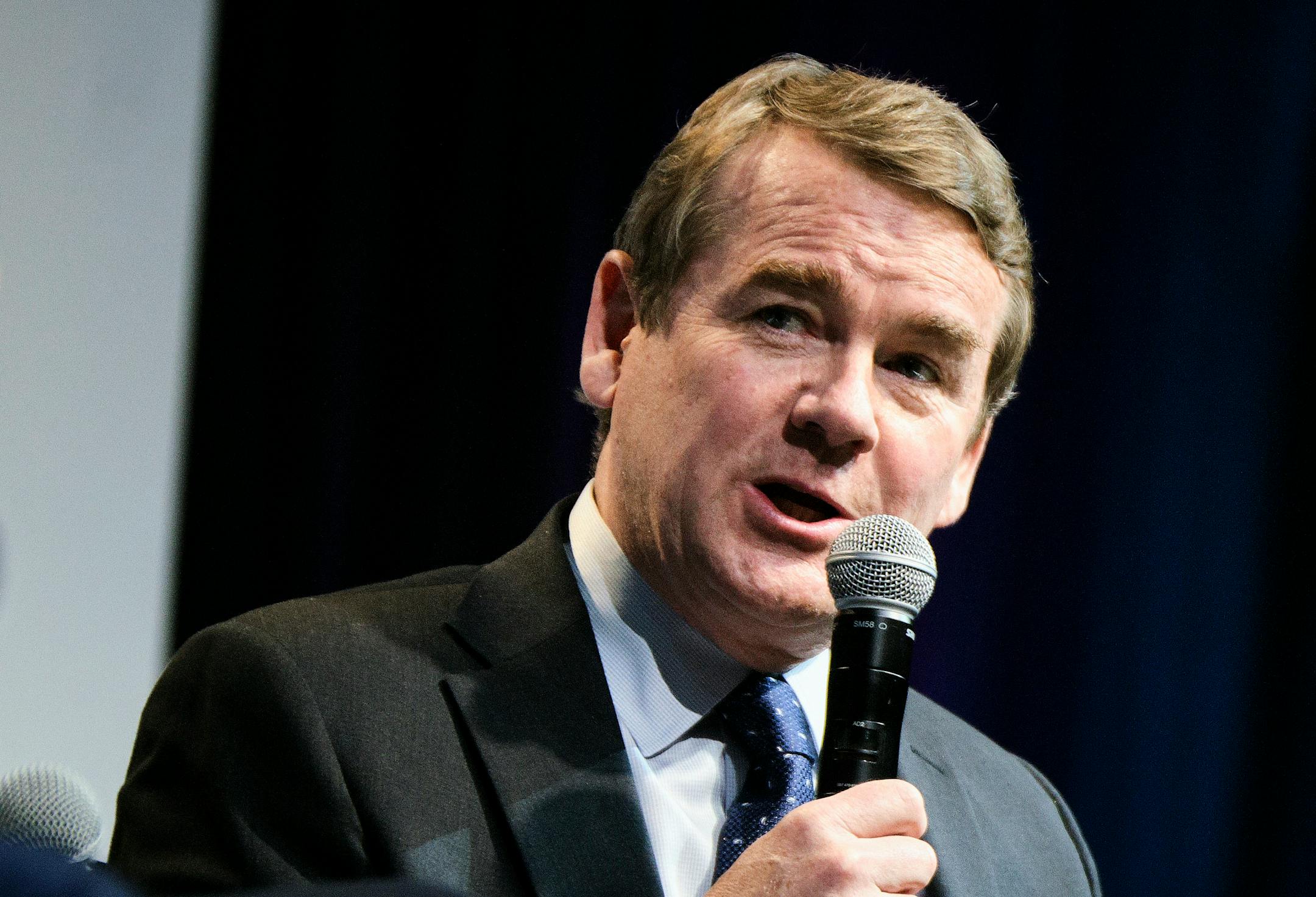
As today's politicians go, Sen. Michael Bennet is kind of boring. Ideologically moderate. Dispositionally low-key. Scandal-free. A sensible technocrat rather than a charismatic ideologue. Heck, when Bennet, a Colorado Democrat, ran for president in 2020, he joked that a perk of electing him would be that people could simply forget about him for days on end.
It is a tribute to the weirdness of this political season, then, that Bennet's re-election race is shaping up to be one of the midterms' more interesting and illuminating contests. It isn't considered a first-tier nail-biter like Georgia's or Nevada's, but it promises to be a more serious fight than many had anticipated in largely blue Colorado.
Like Democratic candidates everywhere, Bennet had already been bracing for electoral headwinds having little to do with his job performance. Among the big-picture fundamentals working against his party are inflation, pandemic fatigue, President Joe Biden's unpopularity and a thermostatic electorate that, even in less surly times, tends to punish a first-term president's team in the midterms.
More recently, though, Bennet's fortunes have been threatened because of trouble brewing on the Republican side. Specifically, this November's Senate election map has grown more pear-shaped for the GOP. A mix of broad political developments (more on those in a minute) and weak nominees in key battlegrounds is making Republican leaders twitchy — they need a net gain of one seat to control the Senate — prompting them to look around for other places where they could flip Democratic-held seats. Colorado is one of those places. And so Bennet finds himself navigating the unpredictable crosscurrents roiling the national scene and making this election cycle unsettling for both parties.
Things weren't supposed to be this complicated. Cruising into the summer, Republicans were feeling feisty, their heads filled with visions of total congressional domination. But then the Supreme Court killed Roe v. Wade, firing up many, many women voters. Gas prices started creeping down. Congressional Democrats passed the Inflation Reduction Act (which is more about tackling climate change and the price of prescription drugs than reducing inflation, but why quibble?). The next thing you know, Democratic voters are feeling more motivated to go to the polls, shrinking the so-called enthusiasm gap between the parties.
Now layer onto this a GOP roster of not-so-sparkling Senate nominees — for which Republicans overwhelmingly have a certain ex-president to thank.