

A Lamberton, Minn., ethanol plant is installing technology that could be the first step toward shifting production from ethanol to another biofuel called isobutanol.
Highwater Ethanol, which owns the plant, and Butamax Advanced Biofuels, a Wilmington, Del.-based company that developed the technology, announced the deal Wednesday and said they were negotiating a second-stage agreement to fully retrofit the plant in 2015.
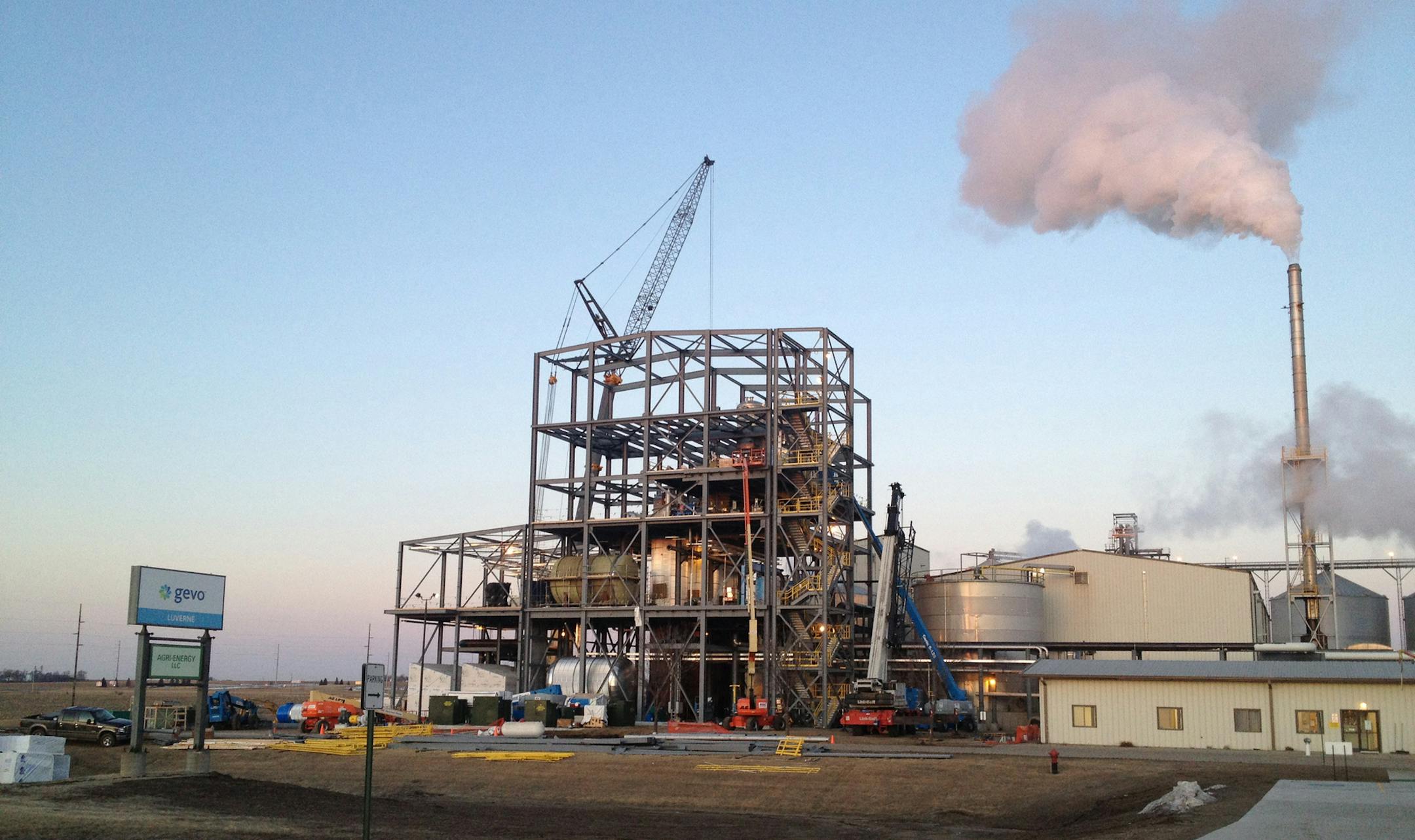
If Highwater eventually shifts production to isobutanol, it will be the second U.S. ethanol plant to do so. The other plant is in Luverne, Minn., owned by Englewood, Colo.-based Gevo Inc. That company and competitor Butamax have separately bioengineered yeasts to produce isobutanol from corn.
Isobutanol is similar to ethanol in that it can be blended with gasoline as a motor fuel, but at a higher ratio without damaging engines.
"It has large advantages as a biofuel for refiners," Butamax CEO Paul Beckwith said in an interview — including double the renewable energy credits. "Butanol is worth substantially more to a refiner than ethanol is."
Under the licensing deal, Butamax will install its proprietary corn-oil separation technology in the Highwater plant, 40 miles west of New Ulm in southwestern Minnesota. Financial terms were not disclosed.
Most ethanol producers have installed corn-oil separation systems. They allow plants to extract a byproduct oil from corn mash that can be sold for use in animal feed or to make biodiesel. Highwater initially plans to employ the technology during ethanol production.
But the chief executives of Butamax and Highwater said the technology, which extracts corn oil at an early phase of production, also is a necessary step toward retooling the plant to produce isobutanol.



