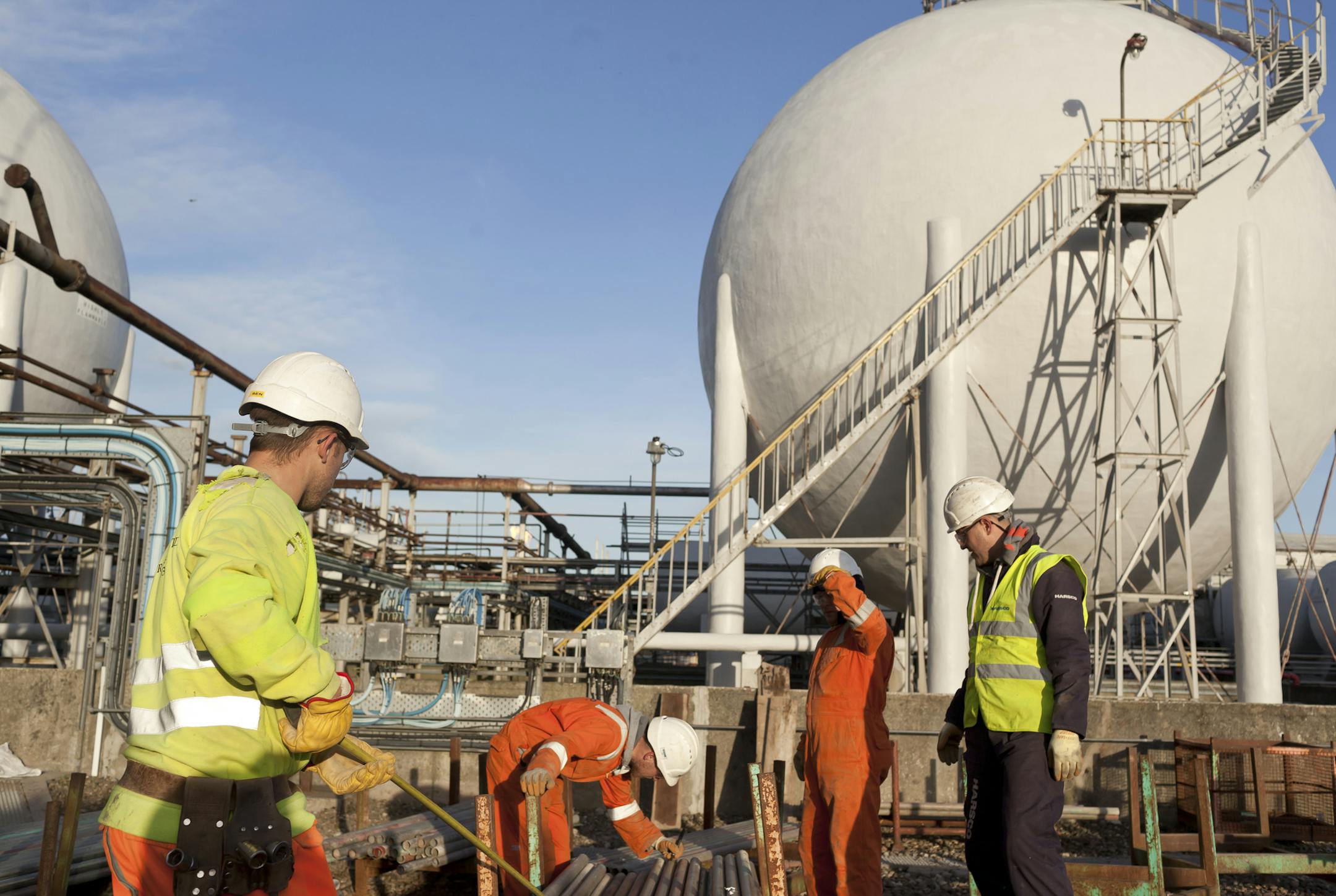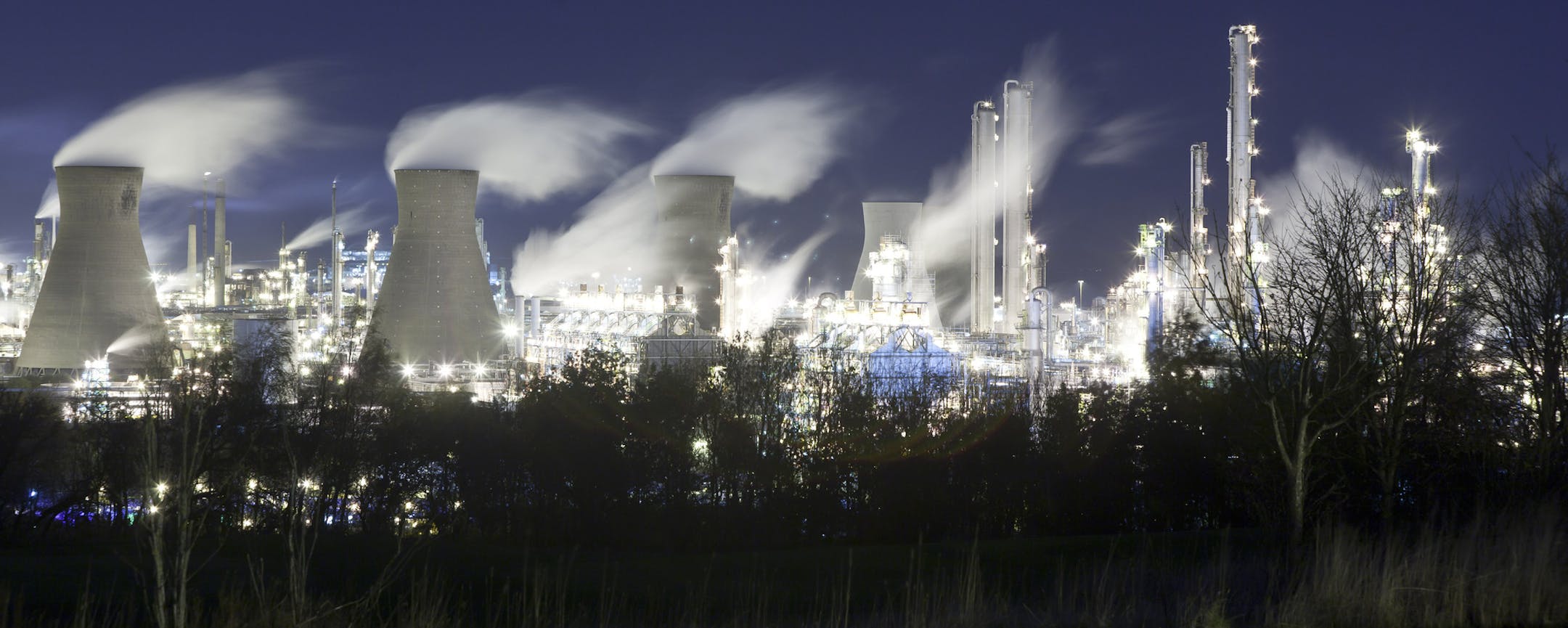
GRANGEMOUTH, Scotland – The vast petrochemical complex at Grangemouth is a constellation of lights and glowing plumes of steam west of Edinburgh that has become a shimmering symbol of Scotland at an economic and political crossroads.
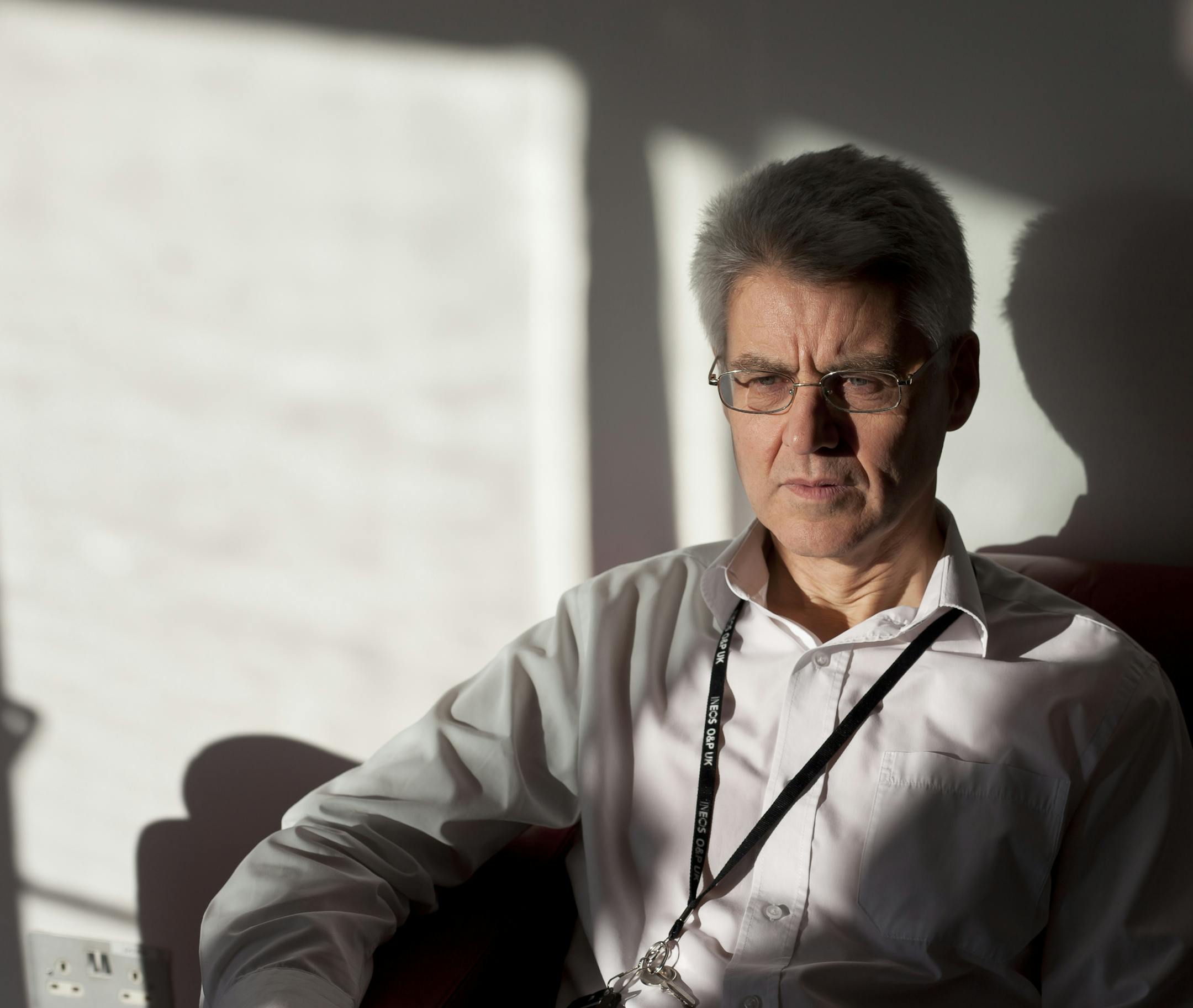
In mid-October, some of those lights went dark when James Ratcliffe, the chairman of Ineos, a Swiss multinational giant that owns much of the Grangemouth operation, ordered it shut down. Ratcliffe, during labor negotiations, was trying to shock the workforce into "accepting changes to bring the site into the modern world," he said in a recent interview.
After the union quickly backed down and accepted some of the pay and pension changes sought by Ratcliffe, the plant reopened. But the episode made clear the vulnerability of Grangemouth as the capital of the Scottish petrochemical industry. Although that industry vies with whisky as the biggest contributor to the country's export economy, it is under pressure from global forces that are making other parts of the world better bets for the refining of petroleum into fuels and the processing of its byproducts into plastics and chemicals.
And because the faceoff with Ineos occurred as Scotland was preparing for a vote next September on a referendum to secede from the United Kingdom and make its own way in the global economy, it was a stark reminder of the uncertain financial path an independent Scotland might tread. The closure of such an industrial linchpin could heighten doubts about whether the government is up to piloting the economy on its own or whether it could continue to provide generous social benefits like free university tuition.
"Everyone is still reeling," said Joan Paterson, a Labor Party politician who represents Grangemouth on the Falkirk Council regional government and is skeptical about independence. "It was dark driving down there without the flares and cooling towers."
The shuttering of the country's largest industrial complex would have been a blow to Alex Salmond, the nationalist leader who is trying to convince voters that an independent Scotland would be able to continue to provide social benefits that are more generous than those available to most Britons.
"The Ineos crisis brought home what a big impact it would have if they were to go," said Doug Edwards, an executive at CalaChem, a chemical maker in the area. "There was the risk of a domino effect."
Salmond, Scotland's first minister, is banking on North Sea oil to underpin the country's economy. His government claims that more than 90 percent of Britain's oil reserves might become Scotland's after independence because they lie under Scottish territorial waters.