

History will remember Monday as another dark day for Major League Baseball, lumped together with other scandals in the sport's checkered past.
In reality, baseball should rejoice. Cheaters were exposed for their transgressions and a commissioner who once buried his head in the sand over performance-enhancing drugs delivered punishment that had real bite to it.
Some referred to the development as baseball's D-Day, the moment Bud Selig swung back in the game's fight against steroids in the workplace by handing down lengthy suspensions to 13 players with ties to a Miami clinic that distributed PEDs.
Baseball didn't rid itself of cheaters or banned substances — that won't ever happen — but it showed it won't turn a blind eye to them, either.
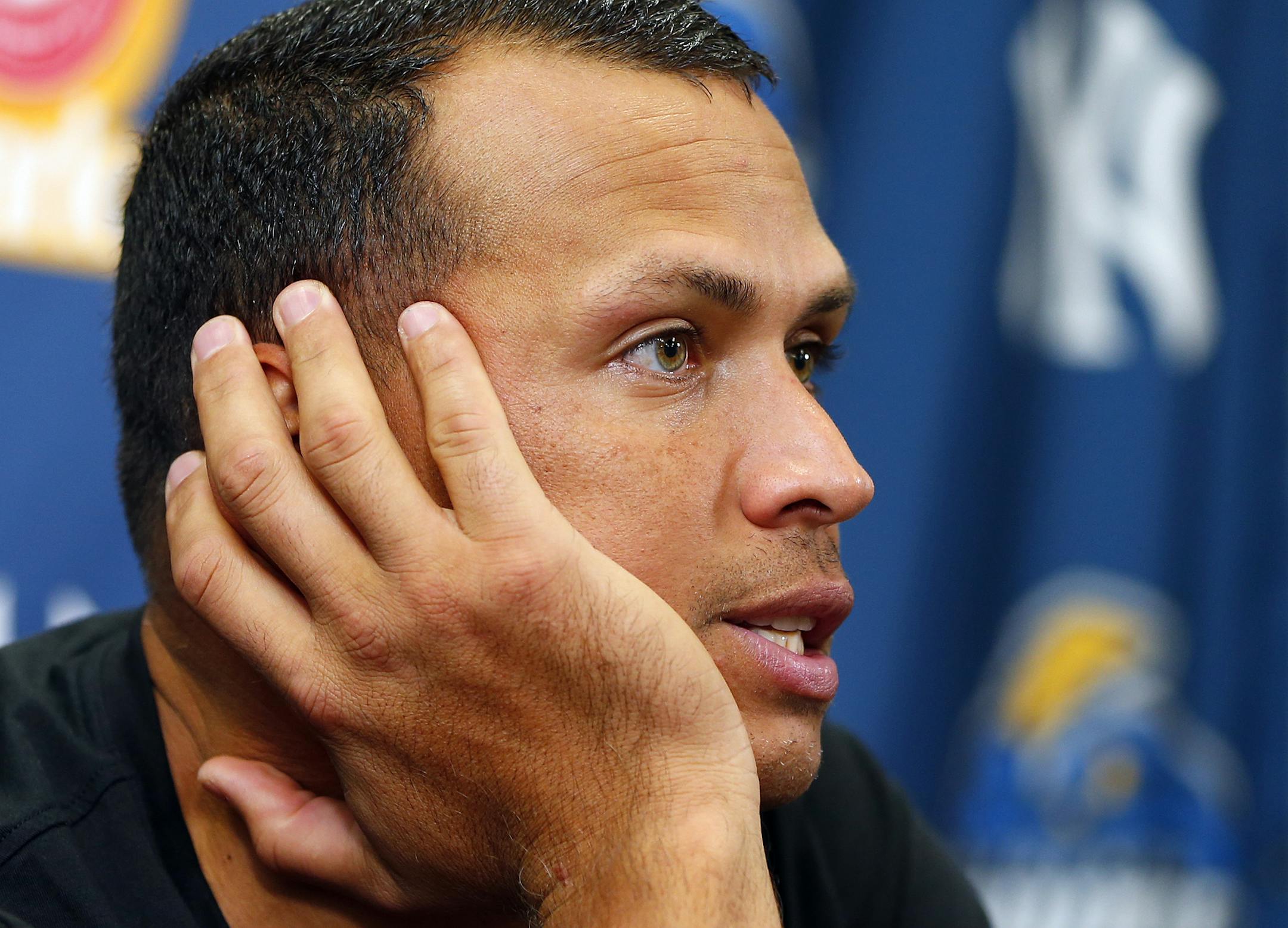
If only the narcissistic phony in New York would have accepted his punishment, too, and faded into oblivion. Alas, Alex Rodriguez clings to his last shred of hope, a pariah even to his own team and fan base, defiant and smug to the end.
In an ultimate irony, Rodriguez made his season debut in the Yankees lineup on the same day baseball suspended him for the rest of this season and the 2014 season. Unlike the others, Rodriguez plans to appeal his punishment, allowing him to play until his case is resolved.
Rodriguez's quotes over the weekend about the need to eliminate PEDs from baseball had to enrage Selig, who reportedly considered issuing A-Rod a lifetime ban under the "best interests of the game" clause. That nuclear option would have appeased different factions — including the Yankees, who are on the hook for Rodriguez's massive contract — and displayed a willingness to banish repeat offenders, the best possible deterrent.
But Selig faced a slippery slope in terms of his relationship with the players union and whether he could build a case that proves Rodriguez's involvement far surpasses everyone else to the degree that a lifetime ban was an appropriate ruling.


