

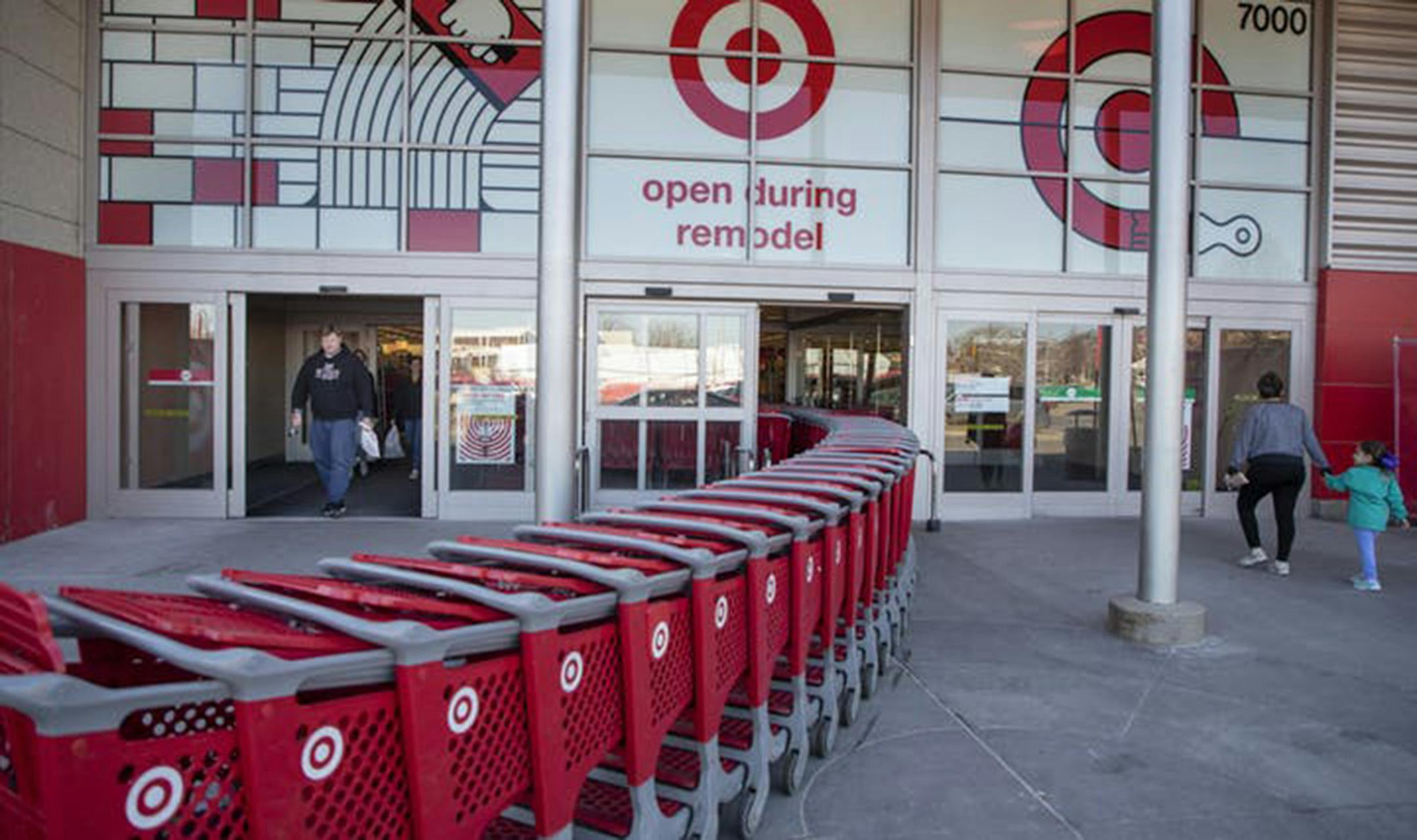
It is not clear if Target literally meant what it said last month by insisting that suppliers hold the line on prices and bear the whole burden of new tariffs on Chinese imports. But it was a helpful reminder of how companies with a lot of market power, like Target, really act.
When faced with a problem, they make it their suppliers' problem.
The retailing industry hasn't been quiet about tariffs, with the basic lobbying pitch that tariffs are costs that inevitably flow through to the prices American consumers pay. This means new taxes aimed in the general direction of the Chinese government instead will hit regular Americans.
And while that is certainly true, tariffs reshape economic activity in lots of different ways. It is not always easy to know who bears how much of the burden.
The top four American importers on the annual ranking published by the Journal of Commerce are all retailers. Walmart is the biggest, followed by Target, Home Depot and Lowe's. Target last year brought in about 630,000 standard shipping containers of stuff.
In a formal comment on proposed tariffs in June, Target Chief Merchandising Officer Mark Tritton wrote that they will "further hurt American consumers, especially budget-conscious parents who are concerned about their children's safety, mental and physical development and comfort in everyday life."
Just before the latest tariff kicked in, Tritton's message to Target suppliers was a little different. In a note that leaked, he wrote that Target "will continue to keep guests at the heart of our strategy" and thus "Target will not accept any new cost increases related to tariffs on goods imported from China."
Just to be clear about what we are talking about, a tariff is simply a tax. American companies that import products must record the shipments and then send in the money.



