

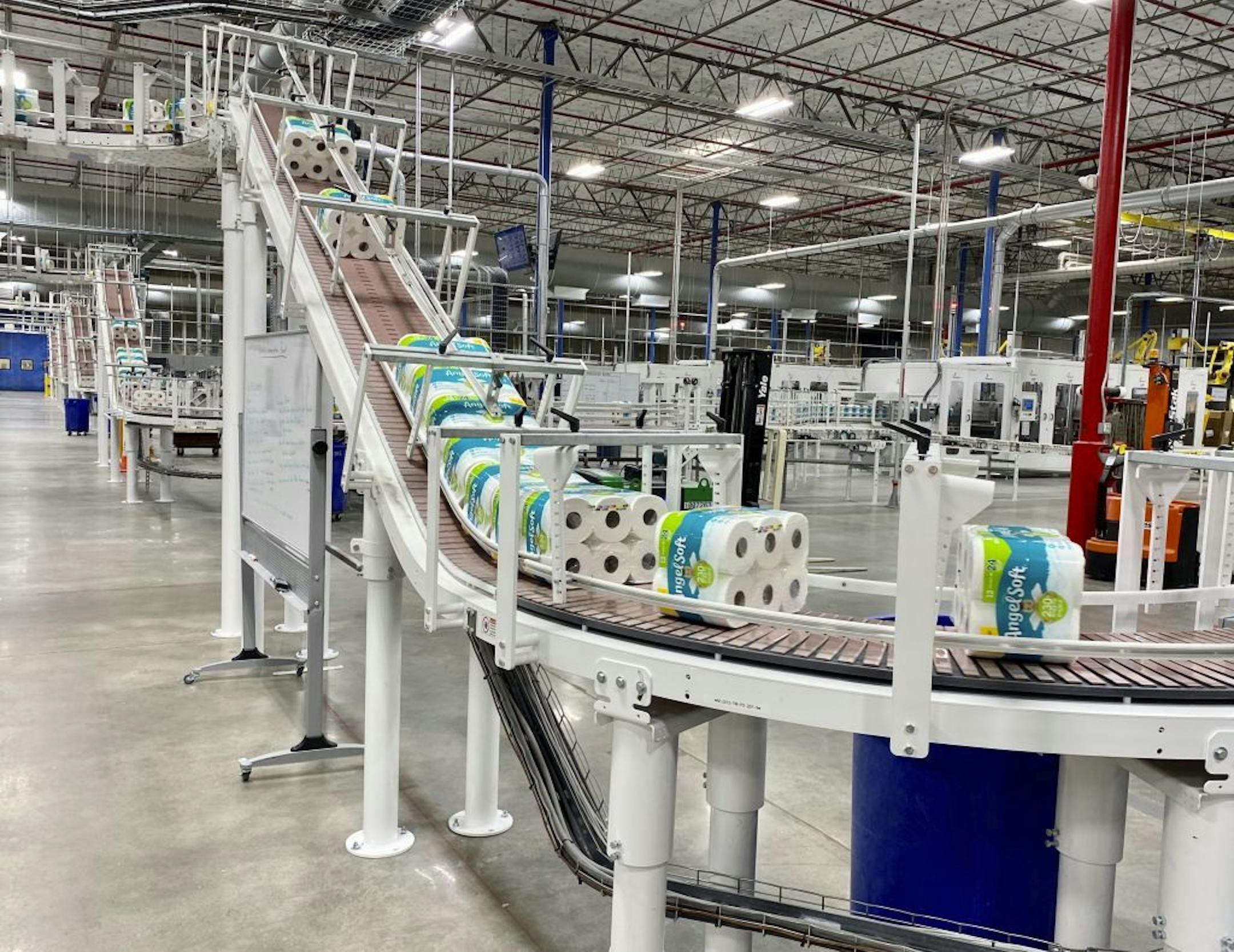
Way down a list of frequently asked questions sparked by the COVID-19 pandemic for papermaker Georgia-Pacific is one great answer to why toilet paper is still scarce in grocery stores: People staying home all the time use about 40% more than they otherwise would.
Before the COVID-19 pandemic, all the people now working, doing their schoolwork or otherwise staying home spent the day in places where bathrooms were well supplied with toilet paper.
What has happened to toilet paper also explains why chicken wings and bacon are now widely available and why internet access at home is sometimes glitchy.
In all those situations, the providers of goods and services designed their operations for a different world than we live in right now.
A better question than why there are shortages or surpluses is why there aren't many more of them. So just maybe none of these businesses trying to work through problems have done anything wrong.
One fix in the toilet paper market might seem simple — just truck the commercial stuff to Target or grocery stores for them to sell to consumers rather than to mostly empty schools and businesses — but it's not simple.
The toilet paper made for institutions is very different from Georgia-Pacific's Angel Soft and Quilted Northern, as a great post in the online publication Marker explained. It's packaged and distributed differently, too.
Increase production? Georgia-Pacific, for one, has said its running 24/7. But because annual demand for toilet paper had to be one of easiest things to accurately forecast in all of business, the industry was likely operating close to full capacity well before this crisis.


