

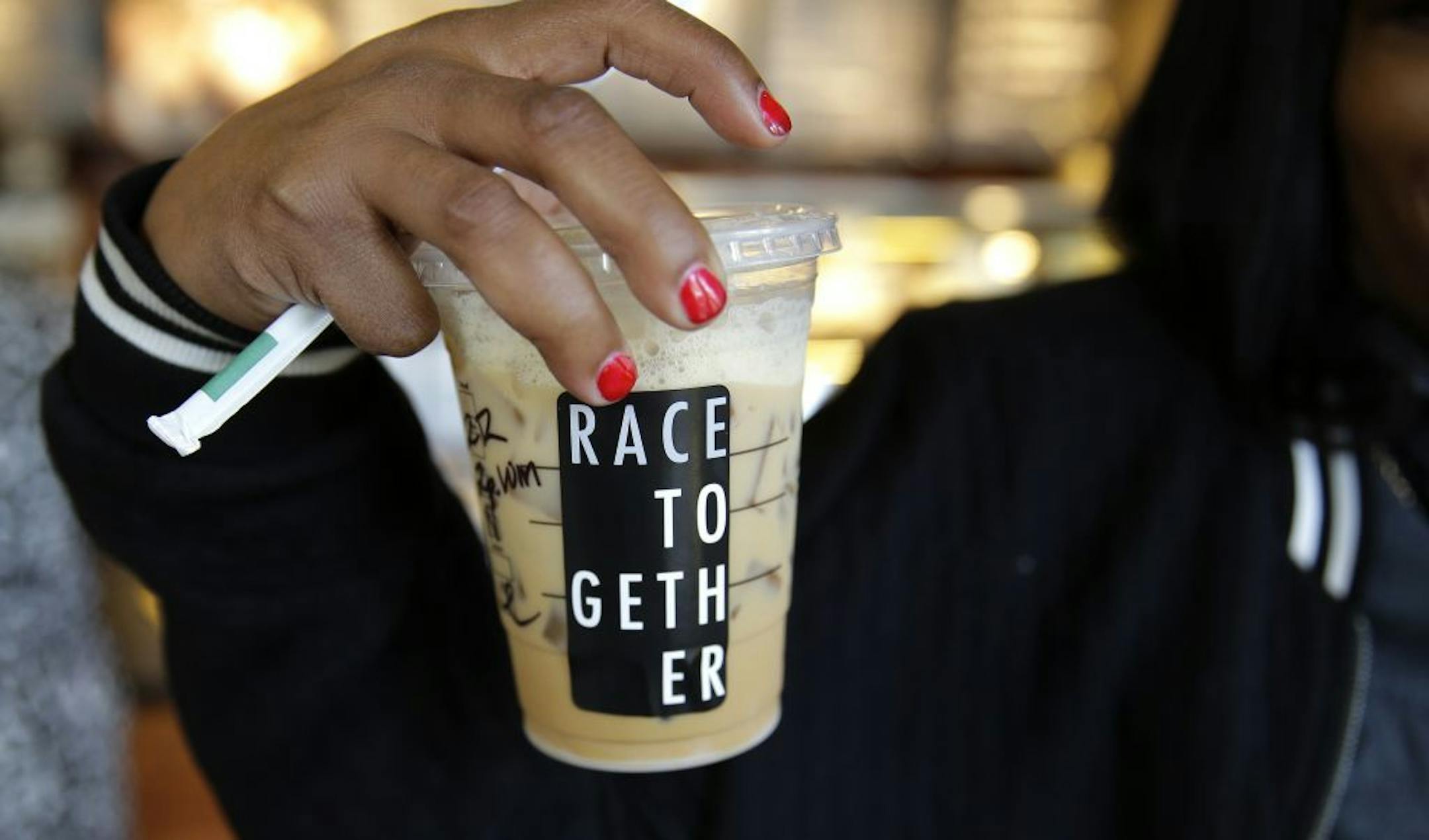
After watching the storm of criticism that engulfed Starbucks and its "Race Together" campaign, it's no real mystery why so few corporations risk any sort of direct involvement in social issues.
And if that's the only lesson to be learned by this episode — shut up and stick to business — then "Race Together" was even more disappointing than its harshest critics said it was.
By now nearly anyone with an Internet connection or TV knows that Seattle-based Starbucks on Sunday discontinued its brief practice of having its staff mark "race together" on cups and then slide them across the counter to customers. The idea was simply hoping customers would see "race together" and then maybe ask what it's about, sparking a brief conversation about racial inequality.
This practice lasted about a week. Anyone in corporate public relations must have felt like it was month.
In a brief note to the staff last weekend, founder and CEO Howard Schultz allowed that "we didn't expect universal praise." He obviously didn't expect what he got, which was near universal criticism and derision.
"Let's give Howard Schultz credit," the HBO satirist John Oliver said on his show. "He did start a conversation across the racial divide, with a white billionaire pitching an idea, and any number of African-American customers telling him how stupid it was."
Others noted that this was an odd campaign for a company led by an executive group overwhelmingly made up of white executives.
The company was clearly taken by surprise by the hostile reaction. It got to the point last week that Starbucks' senior vice president of global communications felt so overwhelmed by what he later called "a cascade of negativity" that he shut down his Twitter account.



