

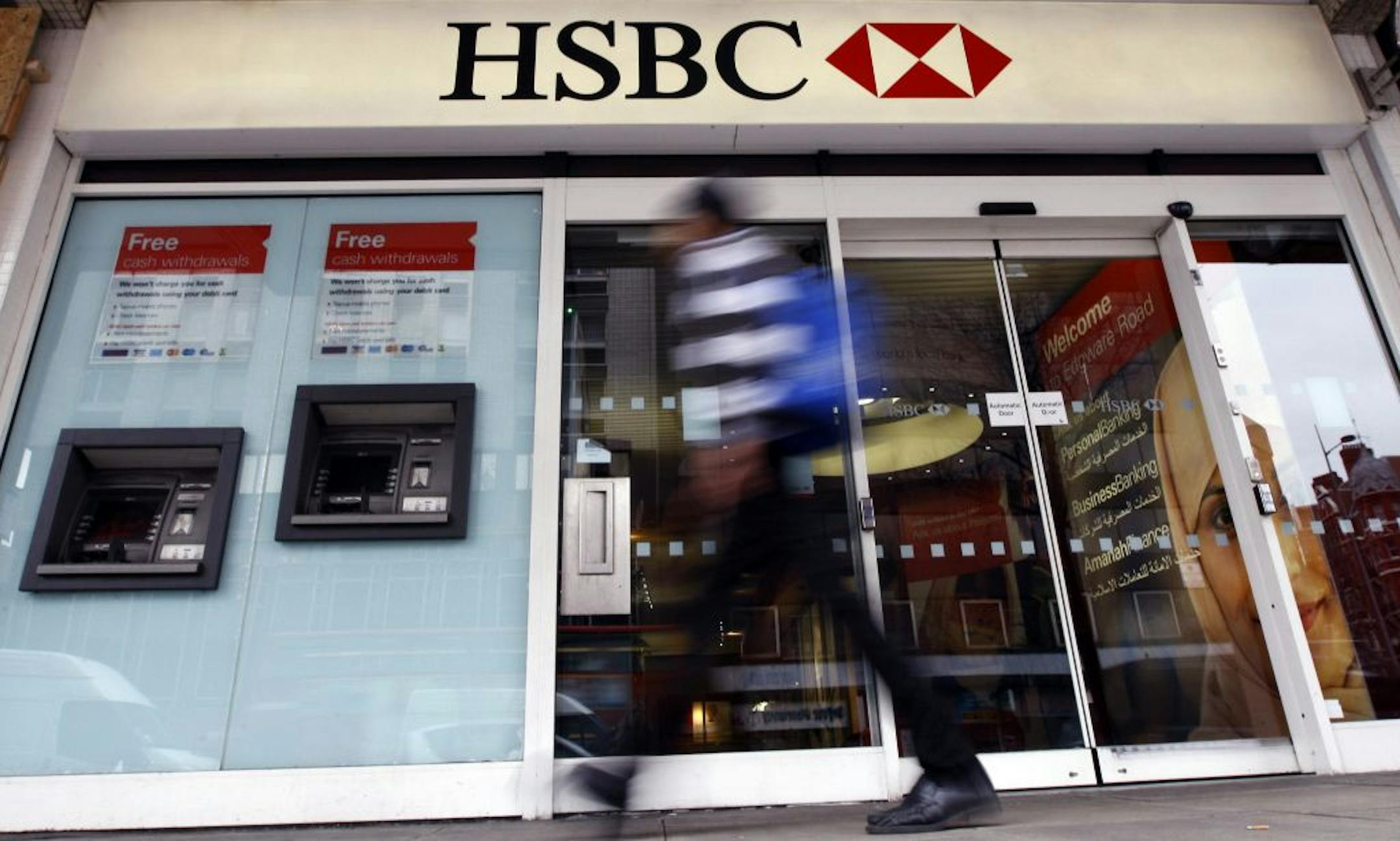
The British bank HSBC last week resolved a sweeping investigation into activities that included allowing drug cartels to launder at least $881 million, agreeing to a record $1.92 billion in fines and forfeitures with government authorities.
"HSBC is being held accountable for stunning failures of oversight -- and worse," U.S. Assistant Attorney General Lanny Breuer said.
And this is how HSBC CEO Stuart Gulliver began his statement: "We accept responsibility for our past mistakes."
Mistakes? So many that it took $1.92 billion to resolve them?
"It's a commonly used word," said Hank Shea, a distinguished senior fellow at the University of St. Thomas School of Law and a former federal prosecutor. "You can't be prosecuted for an accident, for making a mistake in the sense of the wrongheaded moves all of us make all the time."
The approach reflected in HSBC's statement is all too common. For those who long to see an abject corporate apology for behavior that leads to whopping fines, you will rarely be satisfied.
There are other examples, like the Barclays Bank then-CEO commenting in June, after settling with regulators over the alleged rigging of Libor rates. The issues, he said, "relate to past actions which fell well short of the standards to which Barclays aspires in the conduct of its business."
Shea said it's pretty simple: A public statement that is something less than an admission reduces the odds of future liability in the courts, either with private litigants or other regulators.


