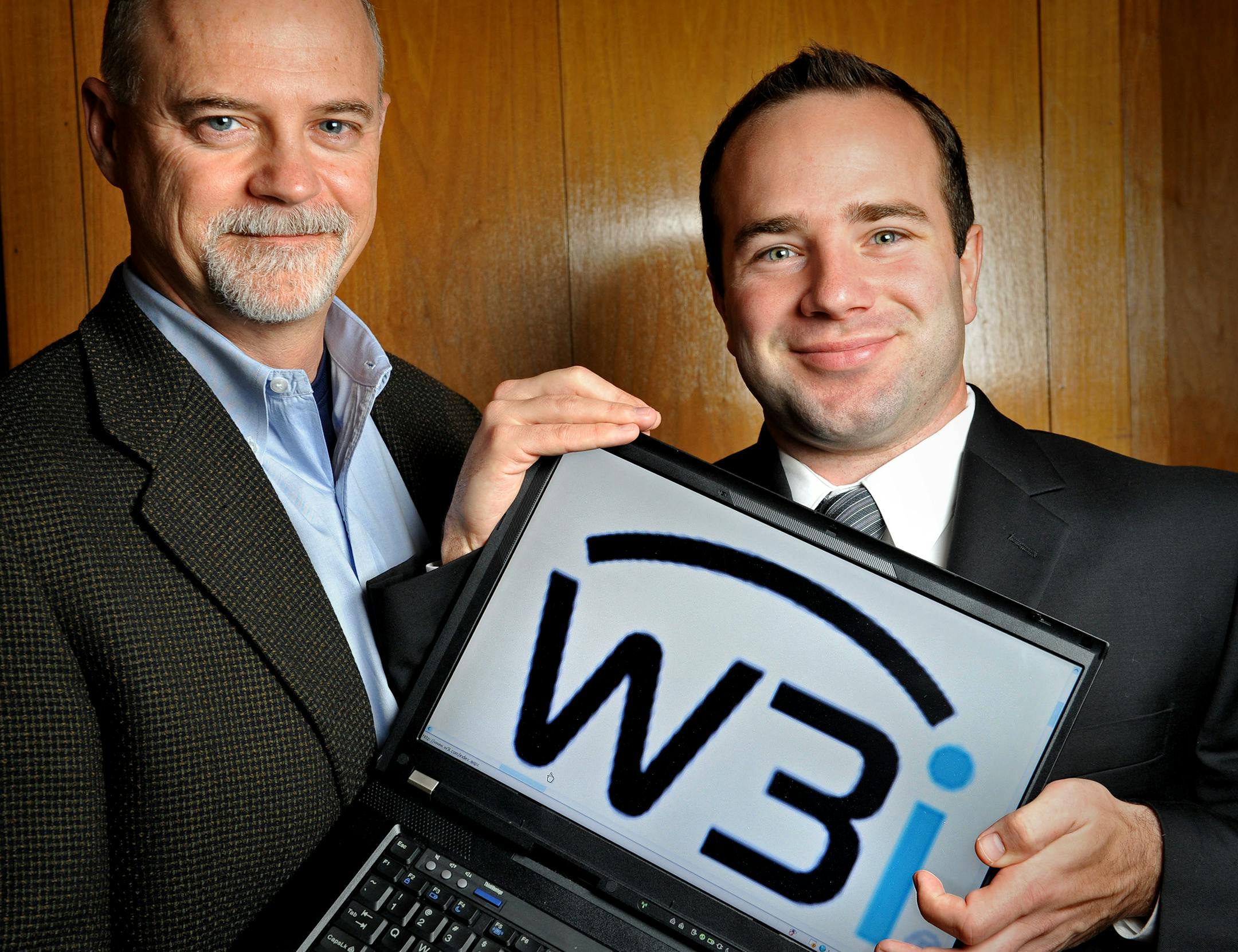
For the co-founder of a technology company that just laid off 45 people, about a quarter of its staff, Rob Weber of NativeX sure sounded optimistic.
"This category could be a $500 million category that could double or triple every year over the next five years," he said of the smartphone and tablet advertising niche, in which NativeX has a firm toehold. "We think we have the technology built."
There's some reason for his sunny outlook, since what's happening at NativeX is not a layoff driven by a crisis. It's called a "pivot." That's the wonderful term technology entrepreneurs toss around, perhaps because it sounds so much better than admitting you have to go in a new direction.
NativeX is 13 years old, and companies that far along don't usually pivot. But "they see themselves as a start-up, still," said Graeme Thickins, an adviser to young companies who has worked with NativeX in the past. "It's the way they think, and it's the way they move."
Given the blistering rate of change in the market for all things mobile, behaving like an eager start-up may really be the only way to act.
The company, based north of St. Cloud in Sartell, was once called W3i, named in part for Rob and his co-founder brothers. Rob and twin brother Ryan are still active, with Rob in charge of new business development. The CEO since 2007 has been former Fingerhut executive Andy Johnson.
The rebranding to NativeX earlier this year reflected the promise of native advertising on mobile devices, and it's certainly a very hot concept. The simplest way to describe "native" is an advertising message that's right in the middle of the user experience. Consumers know they are getting a commercial message, they just aren't annoyed by it.
It's not exactly a new business for NativeX, which built its company around advertising to consumers who downloaded "free" desktop applications like the Yahoo toolbar, but it's certainly a new market, and an explosively growing one. NativeX first sold into the mobile market in 2010, and it was in 2011 that time spent on smartphones and other mobile gadgets in the U.S. passed the time users spend online using a desktop computer.