
Schafer: Starved for returns, investors turn to real estate

November 23, 2014 at 2:03AM
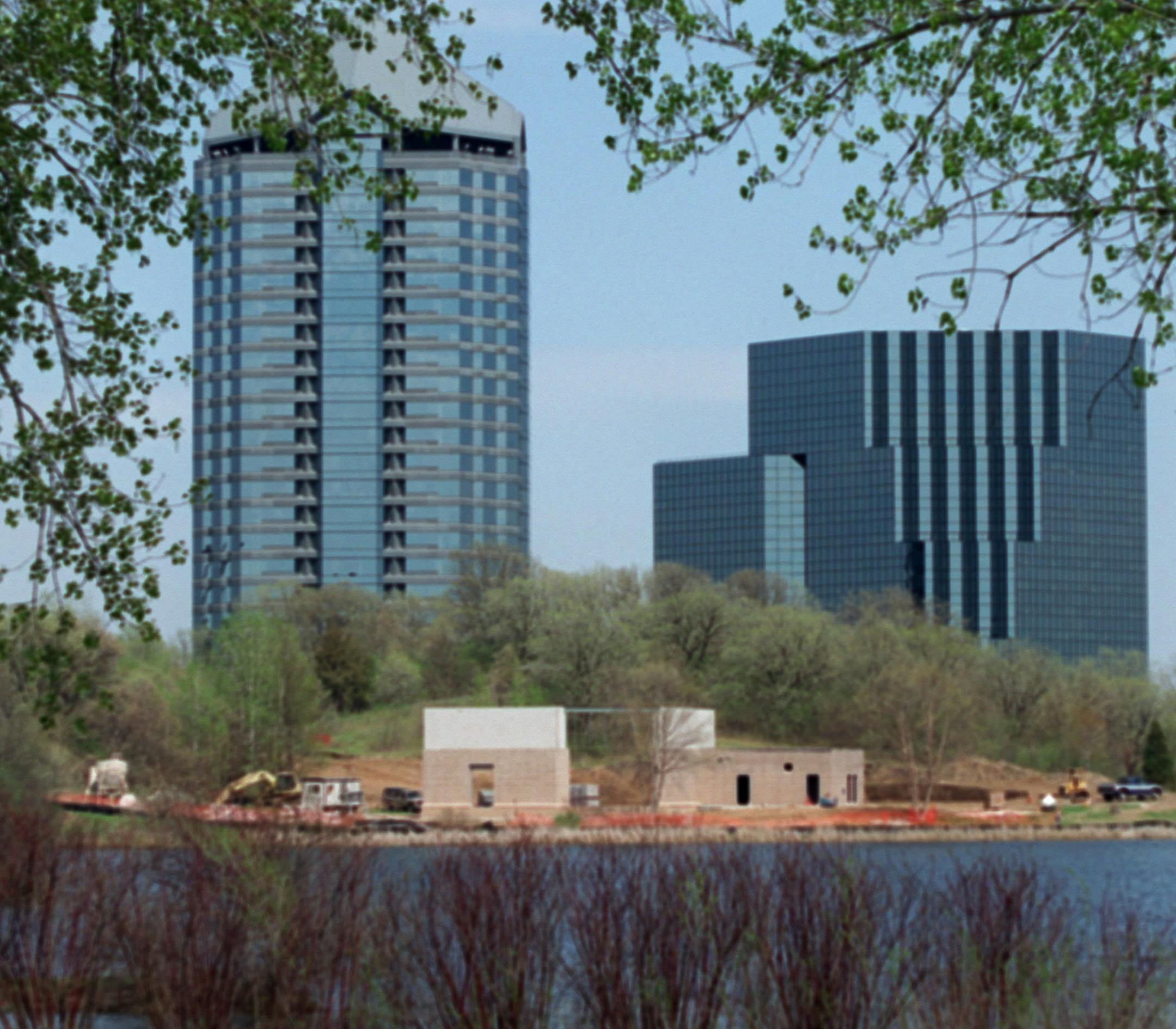
GENERAL INFORMATION: Bloomington, Mn., Tues., May 1, 2001--New bandshell on Normandale Lake.
IN THIS PHOTO: The bandshell seen from Bush Lake Road which runs along the west side of the lake. Beyond the shell are office buildings near the intersection of I-494 and Normandale Road.
MetLife bought the Normandale Lake Office Park complex in Bloomington for $368.95 million. (The Minnesota Star Tribune)

Investors led by MetLife just bought the Normandale Lake Office Park complex for $368.95 million, and it's safe to assume they won't get nearly the return on their investment as did the ­previous owner, the legendary Sam Zell of Chicago.

A broker involved with the recent sale politely declined to reveal the expected return, but informed speculation puts it at just over 6 percent.

That's an awfully low number, and thus a high price, for nearly any building that's not the IDS Center in downtown Minneapolis. Yet it wasn't the only eye-popping deal price lately.

A German investor bought the 50 S. 10th St. building in Minneapolis for $164.5 million this year at a yield reportedly lower than that of the Normandale deal. And an apartment building called Junction Flats near Target Field sold for about $49 million, a price competitors suggest works out to an initial return closer to 4 percent.

The last time prices like these were paid for investment real estate was just before the Great Recession, and with the perfect clarity of hindsight, we now know that was a time of rank speculation.

In talking to people in the real estate market last week, however, no one expressed concern about prices getting out of hand. Sure, higher prices mean lower returns. But what's the alternative?

"In a low-interest-rate, low-growth world, people are starved right now for yield on their investments," said Matt Richmond, who leads the real estate equity investing team for St. Paul-based ­Advantus Capital Management.

Richmond manages a portfolio of publicly traded real estate investment trusts, and he sounded pretty sympathetic to the dilemma faced by global asset managers. If you think real estate now looks expensive, he said, consider bonds.

Bonds and real estate are actually close substitutes in a portfolio, which is why you hear real estate talked about in terms of yield, or something called the "cap rate." Both real estate and bonds have predictable, stable cash flow.

To German investors, 10-year U.S. government bonds that last week yielded 2.34 percent must look like a fantastic bargain. Ten-year German government bonds yield 0.8 percent. And that probably looks pretty good to Swiss investors, as their 10-year government bonds yield only 0.36 percent.

So while real estate prices in some U.S. markets may even have climbed higher than the peak before the Great Recession, Richmond said, a top-of-the-market downtown office building and a 10-year U.S. Treasury may have both paid about 5 percent in 2006.

With 10-year U.S. Treasury notes now paying less than half that, he said, 5 percent in real estate can look pretty good.

The result is that by now, institutional investors have picked over the so-called gateway markets like San Francisco and have started to come to second-tier markets like the Twin Cities.

As one Minneapolis real estate developer put it last week, referring to the investment strategy of international fund managers now poking around in the Twin Cities, "they just don't want to lose money."

Think about that. Highly paid investment managers are scouring the globe looking for opportunities to not lose money.

Not all the rise in real estate prices can be explained by poor alternatives for investors' cash, of course. The fundamental measures of market health, like rental rates and vacancies, continue to improve. New buyers are counting on the income from their properties to increase as rental rates start to inch up.

And this recovery phase of the real estate cycle doesn't look like a normal one yet to Arthur Hurley of Columbia Management, an asset management unit of Minneapolis-based Ameriprise Financial. The portfolios of the real estate firms that Hurley closely follows report having very little vacant space to lease.

"We are talking occupancy of almost 95 percent," he said. "Typically when you see that kind of occupancy, we then see an increase in the supply. So far we're just not seeing that."

But bullish views were common in late 2006 and early 2007 as well. At least one huge real estate investor wasn't buying, however, and that's Sam Zell. As his career has demonstrated, it's not just what you buy, it's what you sell — or maybe when — that builds the legend.

Zell's firm led the partnership that bought the Normandale Lake Office Park in Bloomington that just sold, making more than $100 million by holding the 1.7 million square foot complex for just over two years.

Without knowing how much money was spent on improvements or had been borrowed for the purchase, calculating a precise annual return on investment isn't possible. But it sure beat 6 percent.

With more institutional money chasing deals, it wouldn't seem to be the time to sell, but Zell might be one of the most famous sellers in real estate history.

In early 2007, Zell sold a portfolio of 573 properties known as Equity Office Properties Trust for about $39 billion. The press couldn't figure out what he could have been thinking. "Almost to a person," wrote BusinessWeek, "commercial real estate analysts are predicting rising rents and tighter vacancy rates in the near future."

Of course, what actually happened was that market values rolled off the table.

"It's important to keep in mind guys like Sam Zell sell and buy for a lot of reasons," Hurley said, cautioning me not to draw too many conclusions about the market from the recent Normandale deal. "One individual sale by him doesn't necessarily mean he's calling the top" of the market.

That's certainly true. It's also true that in this market sellers are more likely to end up burnishing their reputations than buyers.

lee.schafer@startribune.com • 612-673-4302

**FILE** Billionaire real estate investor Sam Zell smiles during an interview in Chicago in this March 20, 2007 file photo. Tribune Co. has accepted a buyout offer from real estate investor Sam Zell in a deal valued at about $8.2 billion, the media company said Monday, April 2, 2007. Tribune said Zell plans to invest $315 million in the deal and the company will sell the Chicago Cubs baseball team at the end of this season. (AP Photo/M. Spencer Green, file) ORG XMIT: CX108
Sam Zell (The Minnesota Star Tribune)
about the writer

about the writer

Lee Schafer

Columnist

Lee Schafer joined the Star Tribune as a columnist in 2012 after 15 years in business, including leading his own consulting practice and serving on corporate boards of directors. He's twice been named the best in business columnist by the Society of American Business Editors and Writers, most recently for his work in 2017.

See Moreicon

More from Business

See More
The newly renovated Parkway Theater is next door to the new restaurant El Burrito Mercado.
Star Tribune/The Minnesota Star Tribune

The new rule, which goes into effect March 1, says only firms owned by citizens or U.S. nationals will qualify for Small Business Administration loans.

card image
card image