

Mark Twain's explanation that "a mine is just a hole in the ground with a liar standing next to it" is a quote so brilliant and so often repeated that it's a shame he may never have said it.
Its enduring popularity extends even to mining executives chatting at an investment conference, where a CEO once got my whole table laughing with it. So even insiders realize that their industry has occasional credibility problems.
It also may help explain why mining regulators require a pot of money be set aside in advance, what's called "financial assurance," for any cleanup of environmental problems after the mine closes.
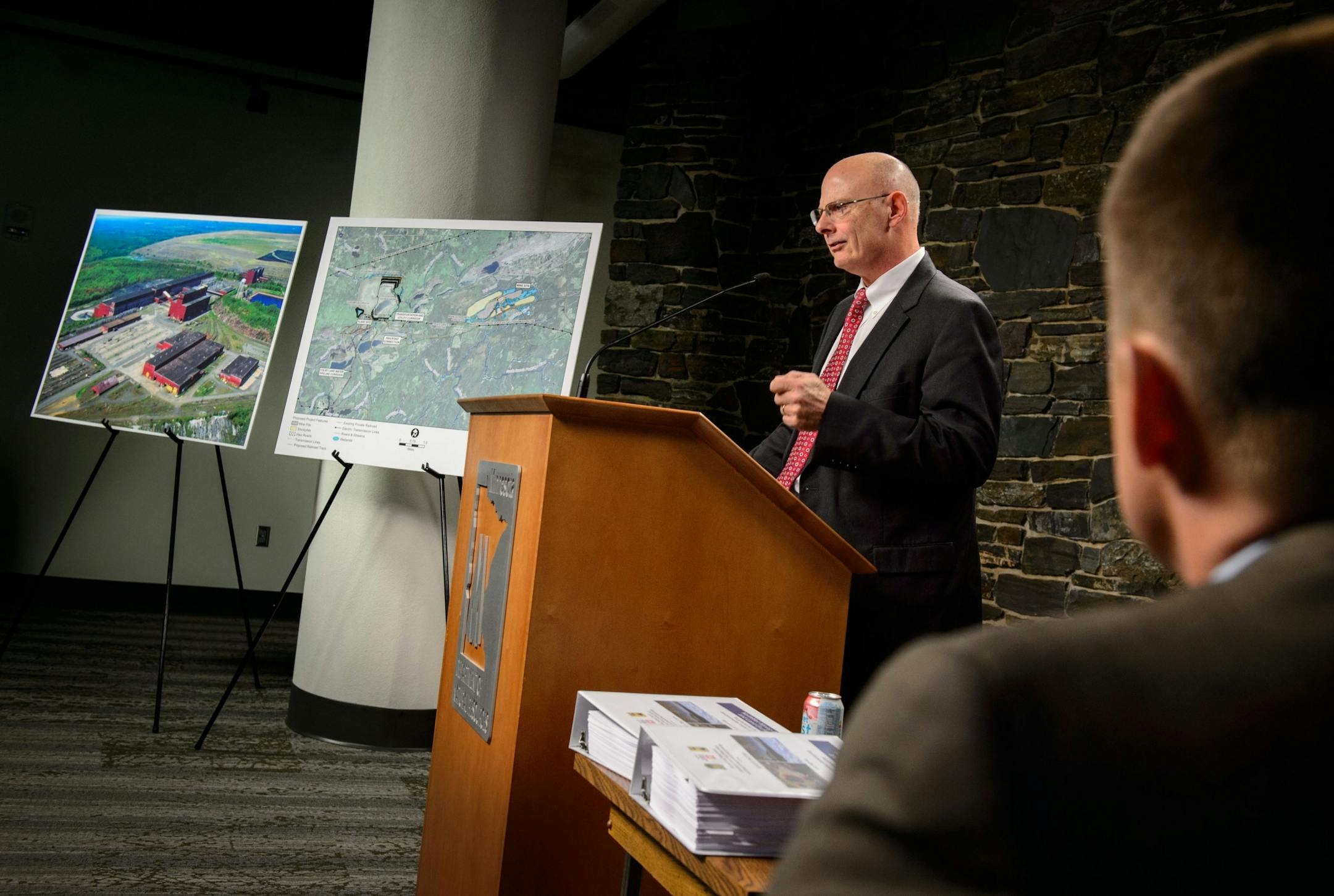
Late last week, the voluminous environmental impact report for the first project in what could be a major expansion of mining in Minnesota, PolyMet Mining's proposed copper-nickel mining operation near Hoyt Lakes, was released, but without much that was meaningful about financial assurance.
It's baffling that over a decade into the project's evolution, the public still knows next to nothing about the financial assurance provision. It's hardly trivial, given that the proposed mining and processing operation could require the treatment of water for more than 500 years.
The idea behind requiring financial assurance to make sure there's money to contain and clean up polluted sites is really pretty simple. A mine is operated by a corporation that could go bankrupt, or fold up like a circus and leave town once the money has all been made and the mine is played out.
In either case, it would be leaving behind a mess.
So regulators, who otherwise would have to step in with the taxpayers' money to close down a polluting mine site or let it keep bleeding, have insisted that the mine operator set aside money for reclamation of the mine once operations cease. If not exactly putting the land back the way it was before mining, the reclamation process at least cleans up the site and stabilizes it.



