It is refreshing to hear a CEO of a major publicly held company talk openly about making big money operating in a cartel, in this case one selling into the global market for potash.
No spin or evasions from this executive. He was in a cartel, and did it ever work great.
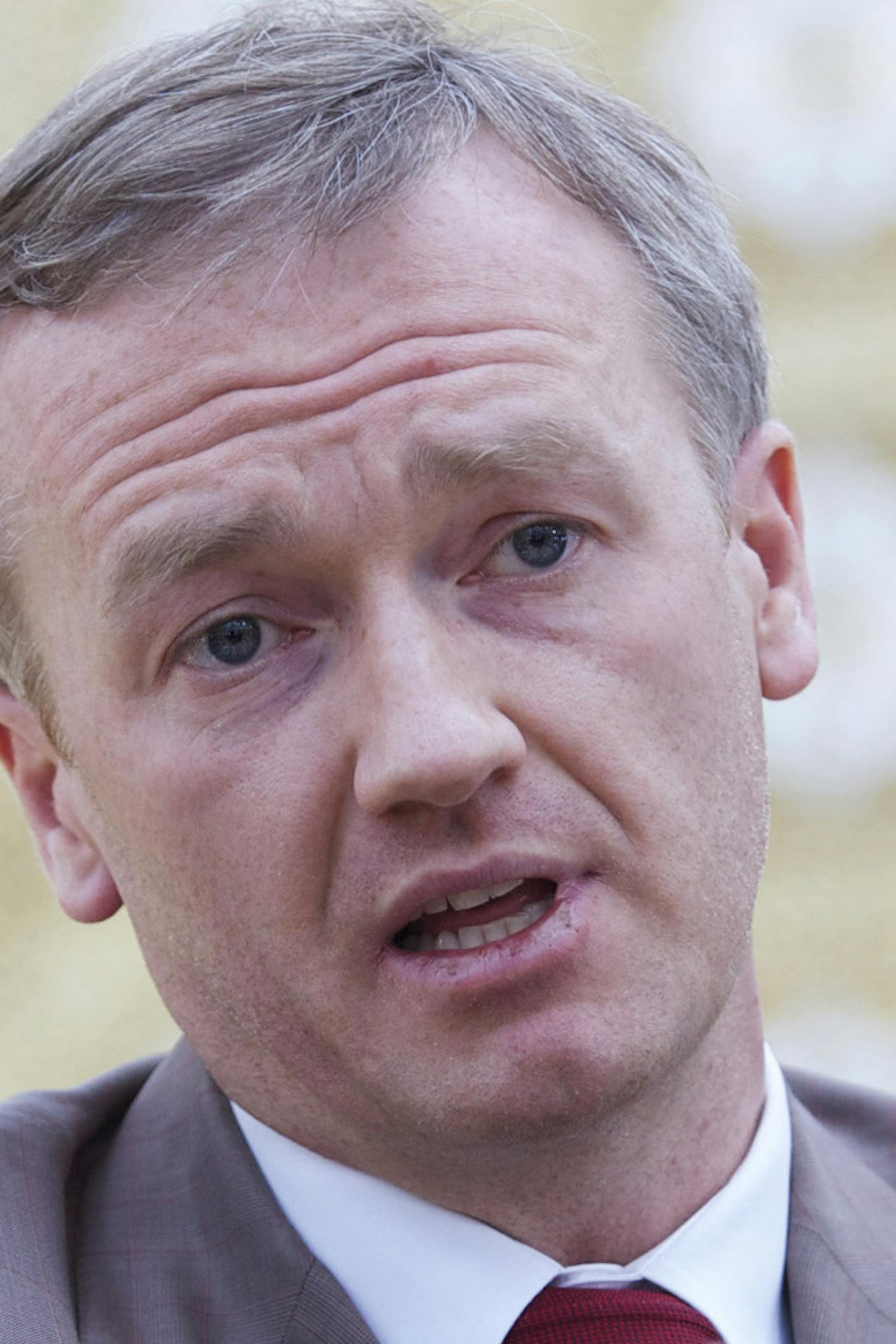
The colorful and blunt-speaking CEO here is Vladislav Baumgertner, the general director of the Russian firm Uralkali.
Investors here care what he thinks because Uralkali is the largest player in a global market that's also big for the Mosaic Co. of Plymouth. Mosaic steadfastly argues that it's not the beneficiary of cartels — a case that would be easier to make if Baumgertner were to go on an extended vacation.
Baumgertner has been explaining why his company last week noisily quit an export partnership with Belaruskali, a big Belarusian potash producer. This news clobbered the stocks of global fertilizer companies and took $4 billion from the market capitalization of Mosaic in just a single trading day.
The Belarusians were planning to sell "without our agreement on volumes and price," Baumgertner said, in a translation of an interview published Monday in Vedomosti, a Russian business newspaper.
"The question here is not about price but about a unified trading position," he said. "If there is one leading trader, there is an opportunity to hold a tough negotiating stand, and customers cannot make different suppliers compete, trying to gain concessions by bargaining and so on."
He explained that "frankly speaking, if we could go on living as we have lived before, we would have been glad to do it. That is to proceed with a 'price over volume' strategy, cooperate with Belaruskali through BPC [the export group, or cartel], enjoy high multiples and high margins."