

A gallon of organic skim milk in the cooler at Lunds contains organic skim milk. No one gives a thought to actually checking before placing it in the cart.
Freeway Ford's technician puts new motor oil into an Explorer in the service bay. And when Xcel Energy sends an electronic bill, it can be paid with one click of a computer mouse at wellsfargo.com.
There's trust involved in all these transactions. And while more complex buys take more checking, the idea is the same. Trust lubricates the engine of a market economy. But we live in a high-trust culture, so it's one of those luxuries we enjoy without always fully appreciating.
Five years ago we were forced to think about trust, and one of the most bitter lessons learned in the financial crisis is that trust is very fragile. Even five years later, we can still see how very difficult it is to put back together what was once shattered.
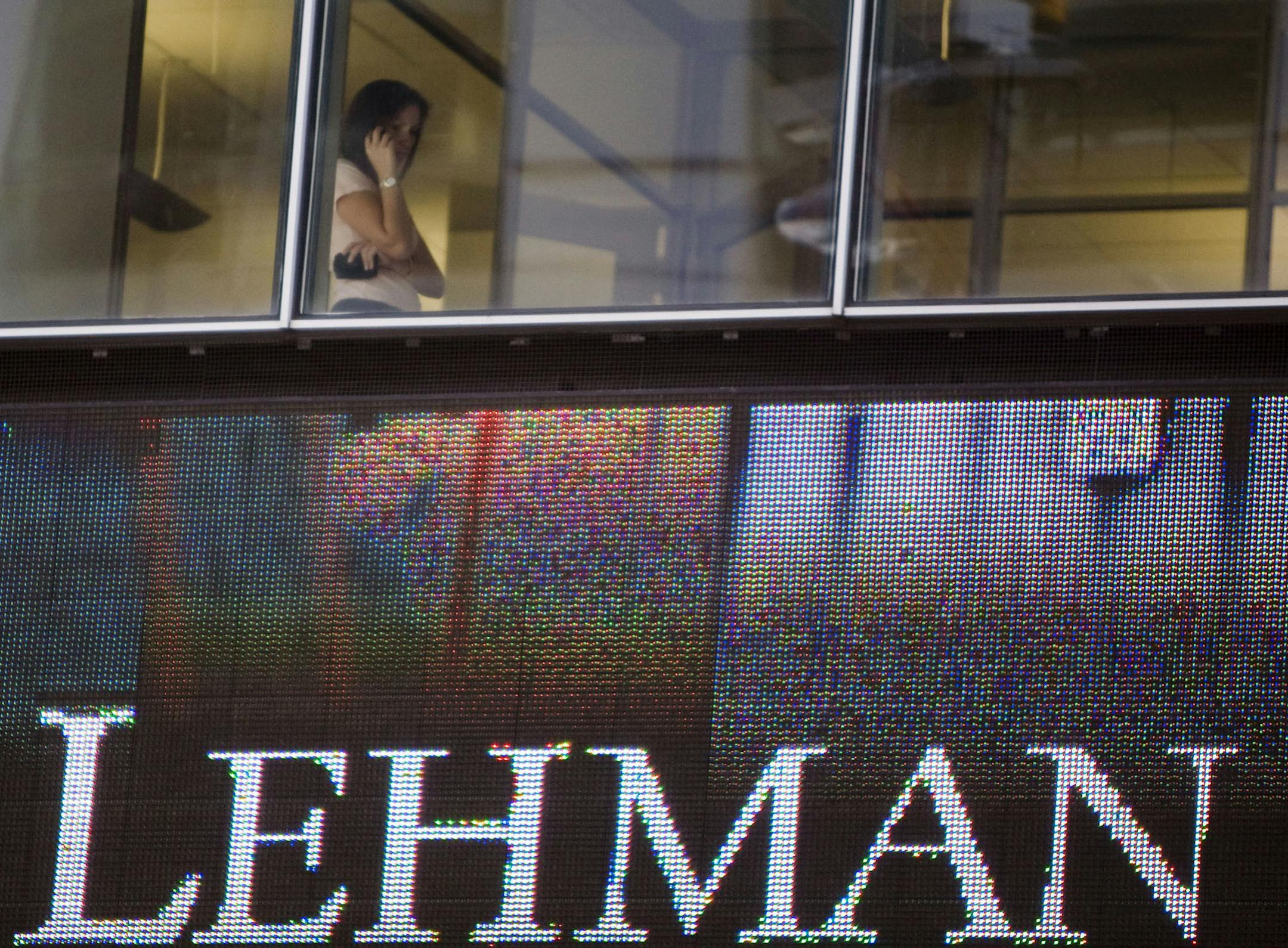
Five years ago this weekend was when New York bankers and regulators gave up on the idea that the investment bank Lehman Brothers could be saved. In the early-morning hours of Monday, Sept. 15, 2008, Lehman Brothers said its U.S. holding company would file for bankruptcy.
A bankruptcy usually settles things down. Not this time.
That Monday, the managers of billion-dollar hedge funds decided they couldn't trust leaving any money with Morgan Stanley or Goldman Sachs, marquee names in U.S. finance and competitors of Lehman's.
Maybe decided is not quite the right word. Scrambling to pull assets doesn't reflect a coolly analytical mind, but one gripped by fear.



