A letter from Wells Fargo Bank pitching a debt consolidation loan to my wife was so off base it could only have been generated by a computer.
No actual banker could have looked at my wife's accounts and concluded that she needs a loan. She's as conservative as Ben Franklin, with saving and spending habits formed back when she was a commercial real estate broker and wanted her money to last through the next closing.
That letter had to have been just another data-driven marketing pitch, a reminder of how big companies try to sell based on all of the data they have amassed on us and our behavior. And in fairness to that Wells computer, there's a chance it was onto something — not that having that kind of capability should make any customer sleep better.
Ravi Bapna, a professor of information and decision science at the University of Minnesota's Carlson School of Management, said banks don't even use information that might seem logical, like a debt-to-home equity ratio, in these kinds of pitches. He suspects Wells is analyzing detailed demographic information, data from past purchases and other behavior and comparing it with data from consumers just like us.
And Wells Fargo is far from the most sophisticated in its industry, Bapna said, trailing the likes of Capital One Financial. Amazon.com is masterful at this sort of analytical work, too, and Minneapolis-based Target is also pretty sophisticated.
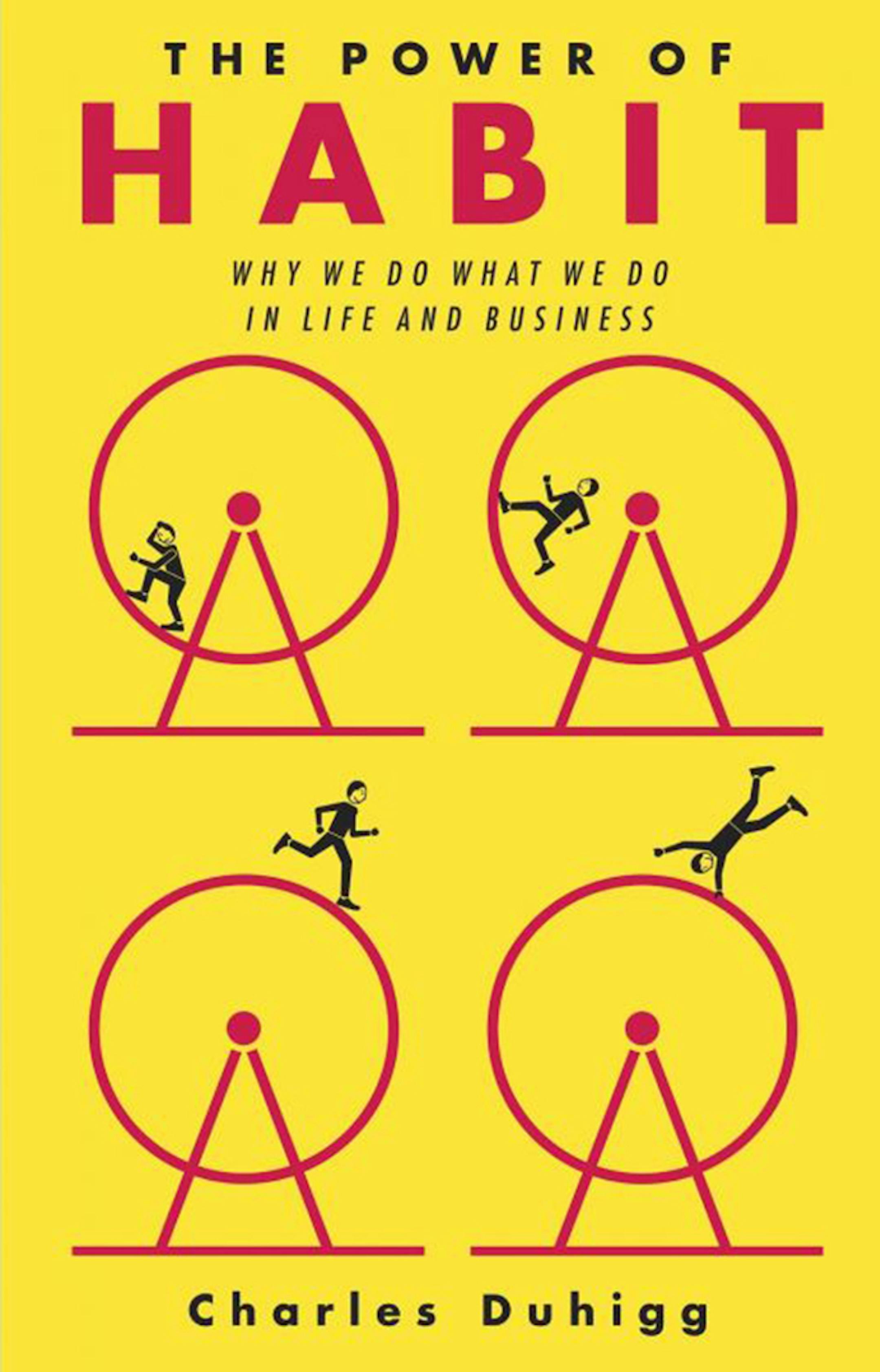
New York Times reporter and author Charles Duhigg described in his book, "The Power of Habit: Why We Do What We Do in Life and Business," how a Target data analyst named Andrew Pole figured out how to determine when a Target customer is pregnant.
Target carefully tracks its customers' purchases, of course, assigning each a unique guest identification number. Pole was asked if he could find out from this great mass of data when a customer was pregnant. A big life event like the birth of a child can knock consumers out of their previous buying habits, and Target could be way ahead of competitors who learn of a new baby through public birth records.
It wasn't that hard.