

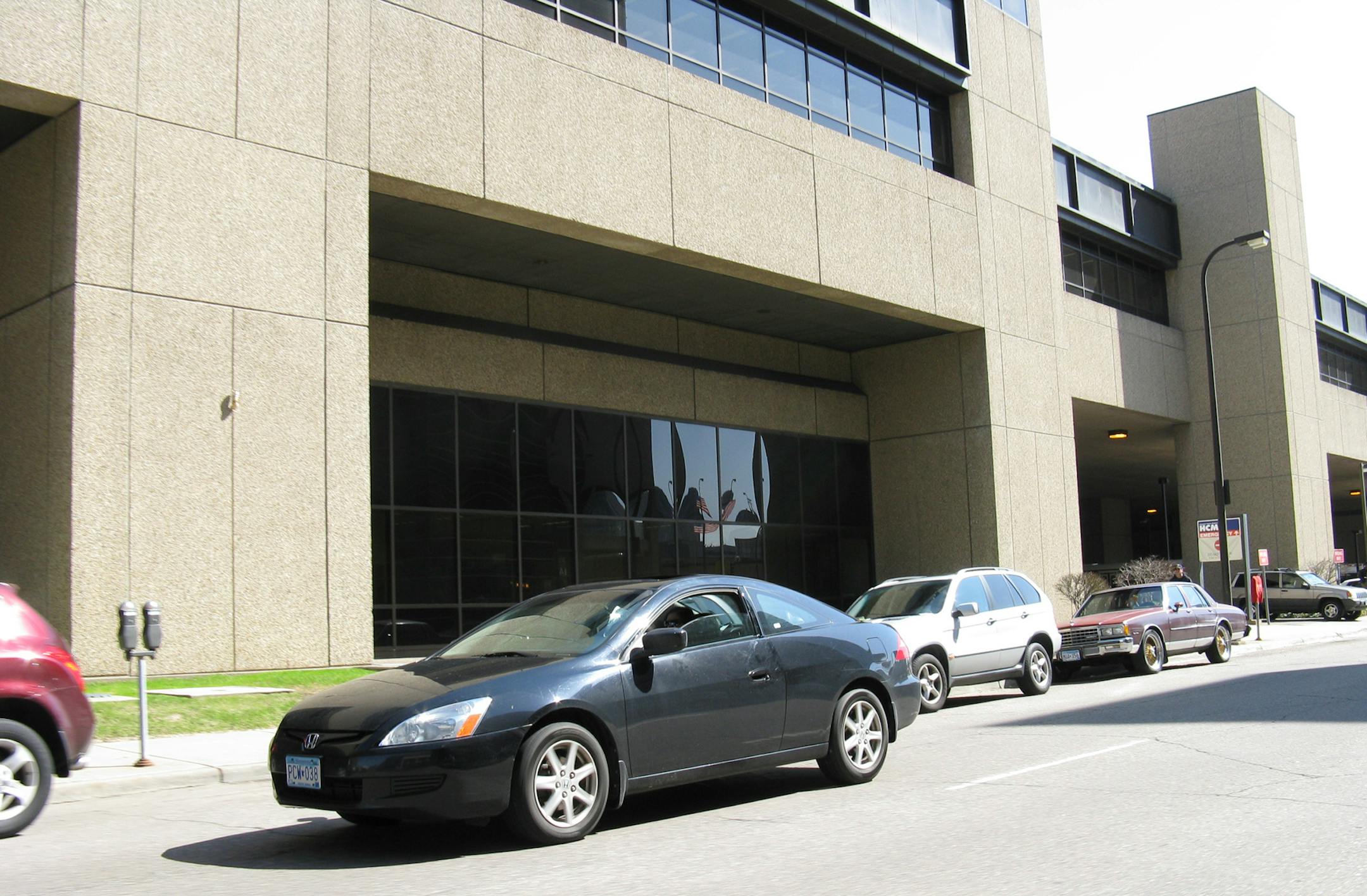
The Hennepin County Medical Center serves about 1,500 families each month with an emergency food shelf called the therapeutic food pharmacy.
A pediatrician who helped launch it described it as mostly a group of volunteers who pack bags with inexpensively purchased or donated food and drop them off at clinics and departments in the big downtown Minneapolis medical center.
This relatively humble effort recently got an innovation grant from a statewide group called Hunger-Free Minnesota, as the medical center's operation is one of the nation's few food shelves operated by a hospital.
Some of the other 19 recipients of grants were planning to use Hunger-Free's new Community Close-Up data analysis tool. Developed by the Boston Consulting Group as a $600,000 in-kind donation, the tool drills into census tract data to help food shelf managers and others determine the best way to reach the people who are hungry in a community.
Fostering innovation and the use of data analysis are hallmarks of Hunger-Free Minnesota in its three-year campaign to increase the capacity of the food system to eliminate a gap of 100 million missing meals in the state. That businesslike approach may explain why Hunger-Free Minnesota's principal support comes from the Fortune 500 neighborhood of the Twin Cities business community, with Cargill and General Mills on board. General Mills just doubled its support with a new $1 million grant.
Another key early corporate partner, also in with a million-dollar grant, is Minnetonka-based UnitedHealth Group. That shows how Hunger-Free Minnesota has also managed to make the conversation about more than just food. Said Ellie Lucas, the chief campaign officer of Hunger-Free Minnesota: "We need to lift this up and out of being just a food company problem and look at the other strategies that are available, and other resources."
Hunger-Free Minnesota calls itself a "campaign," because its work is to be wrapped up by the start of 2015. While Lucas likes to say that Hunger-Free "takes a business approach to a social problem," its origins go back to 2008 and the work of the nonprofit Second Harvest Heartland.
Second Harvest is a Maplewood-based nonprofit food bank that serves as more or less a food wholesaler for food shelves and soup kitchens located in a 59-county area of Minnesota and western Wisconsin.


