

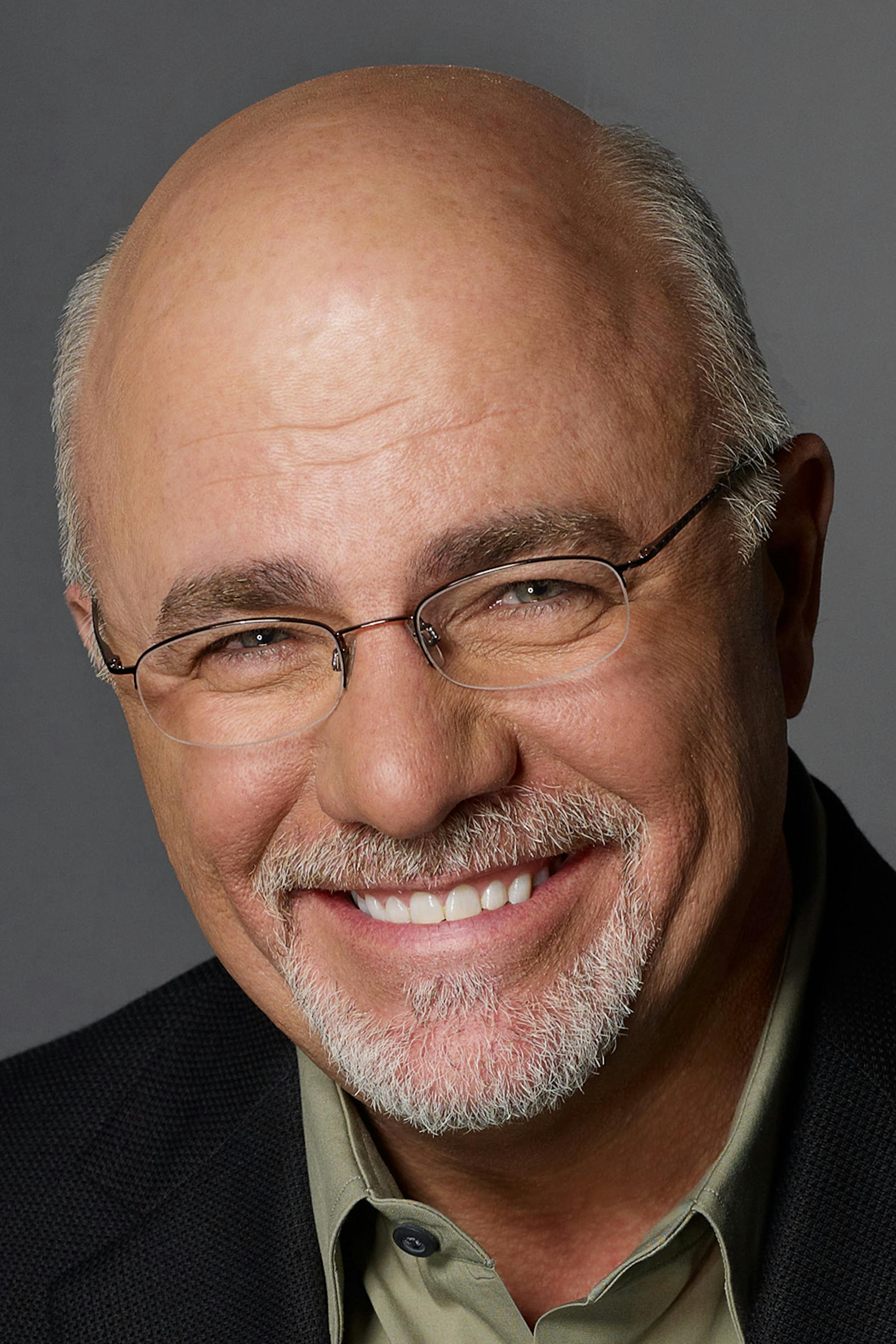
Those curious about what's really happening in the American economy could do worse than listen to a few hours of "The Dave Ramsey Show."
Ramsey is a self-made and self-styled financial adviser, but don't bother listening for the finer points of investment strategies. What Ramsey's callers want from him is far more likely to be advice about how to get to the end of the month in one financial piece.
He delivers, too, with a tough-love approach on the virtues of scrimping, saving and above all, getting rid of debt. This wouldn't seem to be particularly controversial, but Ramsey's critics, who blame him for blaming and misleading the very people he tries to help, have had a very busy year.
Some of the conflict may be cultural, as Ramsey doesn't appear to have much in common with New York journalists and certified financial planners. He's from Tennessee, and he developed his audience through evangelical Christian churches. Today his more than 7 million radio listeners and buyers of his other media products seem to be more Wal-Mart Republicans than the country-club variety.
Don't be surprised to hear him quote Jesus in the context of managing money. Keep listening anyway, as he has something very valuable to teach.
Ramsey touches on everything from budgeting to staying out of business with family members. But nothing heats him up quite like talk of debt.
His own experience with debt is a story of failure and redemption. He once was a highly leveraged — and later bankrupt — real estate dealmaker. His epiphany was sparked by a biblical passage from Proverbs 22, "The rich rule over the poor, and the borrower is the slave of the lender."
He calls the foundation of his financial training "baby steps." Start with setting aside $1,000 as an emergency fund, and then get out of debt and stay out of debt.


