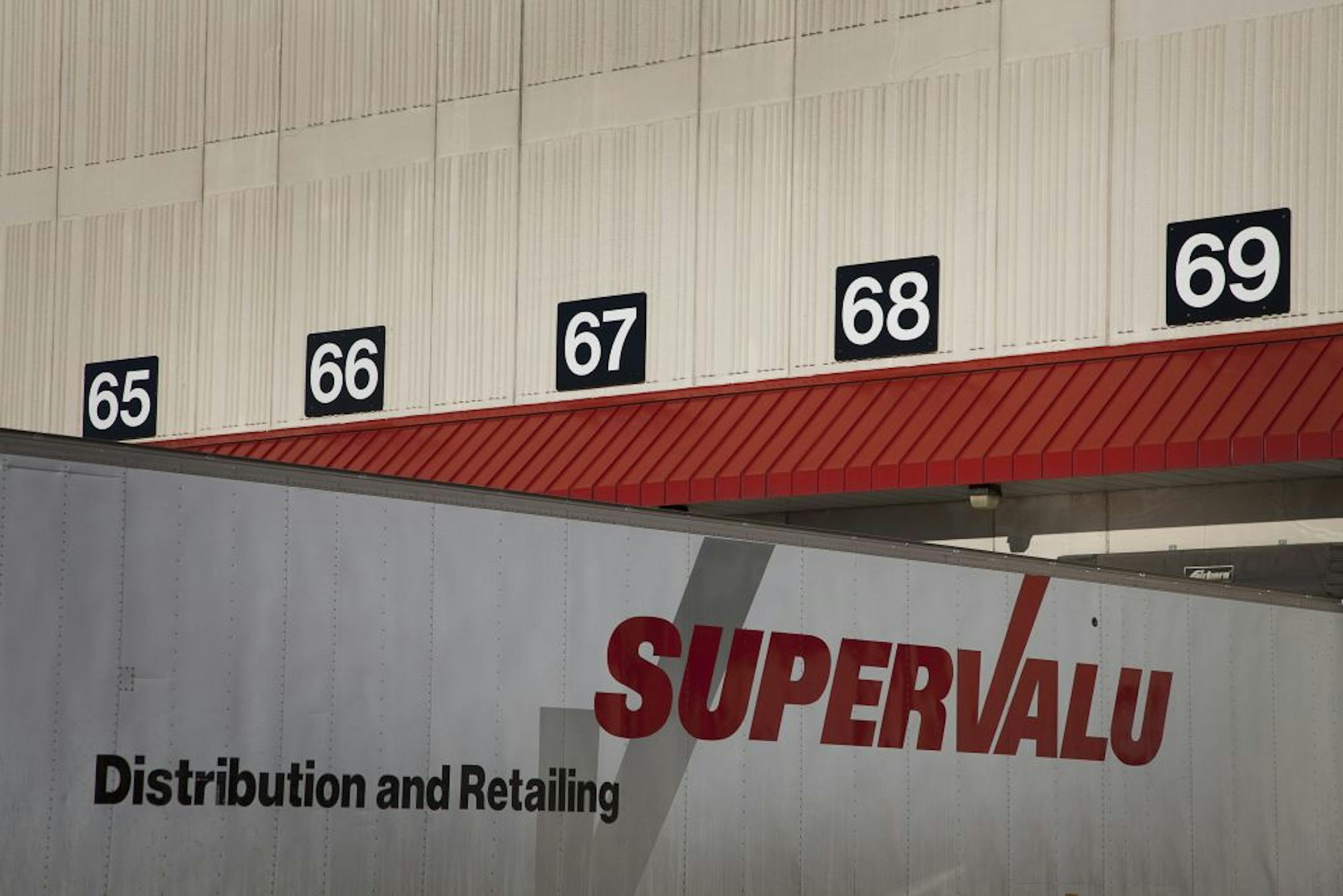
Supervalu has started acting like a company where the leadership finally concluded there was nothing left to lose.
The Eden Prairie-based grocery giant said last week that it has hired investment bankers Goldman, Sachs & Co. and Greenhill & Co. to review potential transactions that could create more value for shareholders. Selling the company, with all of its operating issues and more than $6 billion in debt, is thought by analysts to be so unlikely that it's not worth discussing. But parts of the company could be sold.
Supervalu also took steps to free up money to engage in some serious price competition with its peers. So while the board and its advisers consider selling pieces of the company, management is going after bigger and better-funded competitors on price.
These are not the winning strategies taught at the business schools. Competing on price with folks who have lower costs and more money usually leads them to crush you.
At the same time, not dropping prices means more of what has so clearly not worked, and that's got to be the worst option of all. So Supervalu's management team, led by CEO Craig Herkert, should get some credit for moving ahead with its best realistic option.
Supervalu, once best known as the industry's top grocery wholesaler, today operates mostly as a food retailer. The 2006 acquisition of Albertson's retailing business transformed the company by adding more than 1,100 stores. Today some of those acquired stores and brands, like the 180-store Jewel-Osco group centered on greater Chicago, are clearly valuable assets.
But the investment community later soured on the Albertson's deal. Too few strategically solid chains, too much operating complexity and way, way too much debt required to fund the whole thing.
Herkert arrived on the scene in 2009 after a series of senior roles at Wal-Mart Stores Inc. The results since have been consistent: Identical-stores sales always decline.