

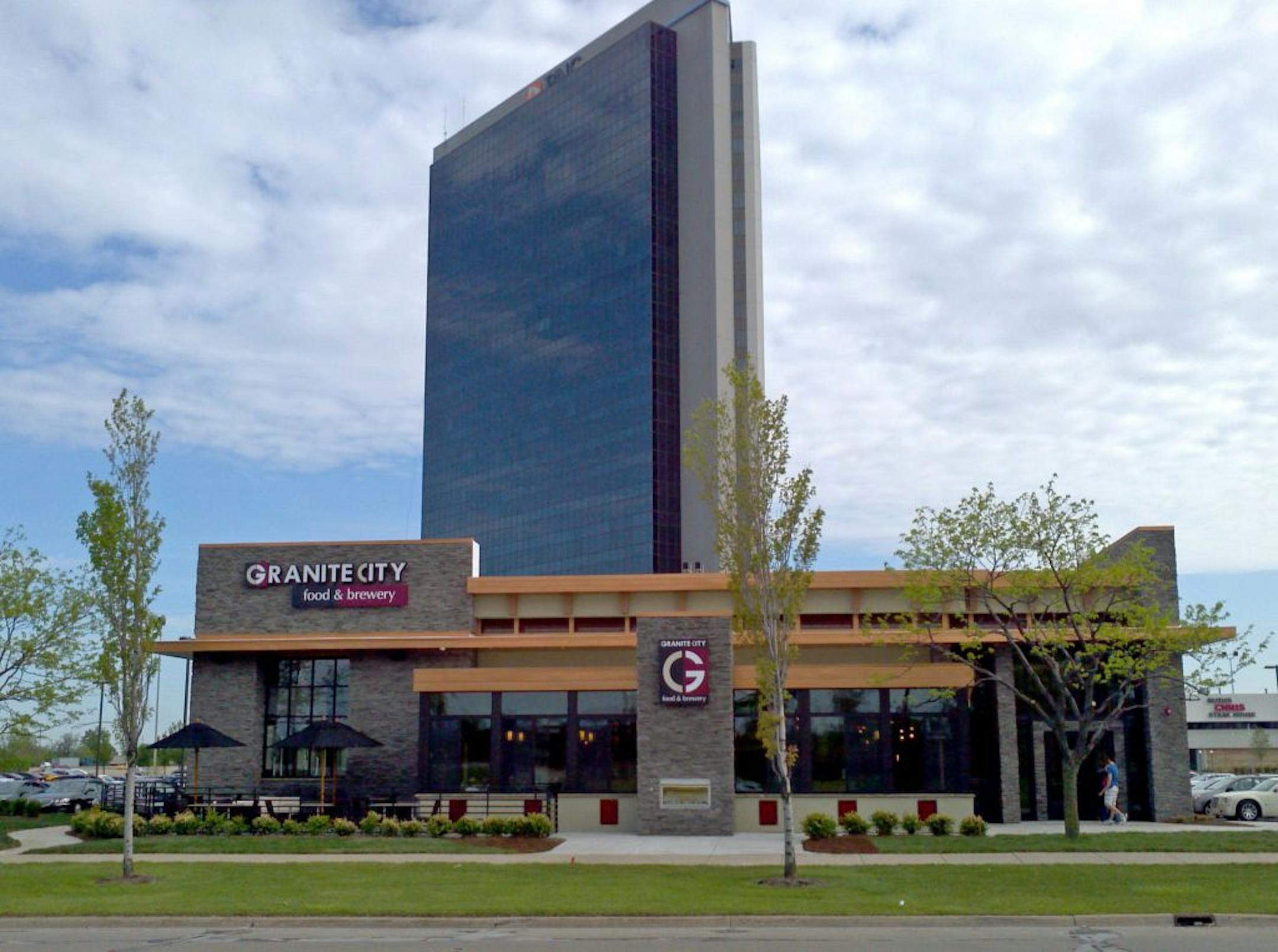
Granite City Food & Brewery is the latest small public company thinking about leaving its shareholders in the dark.
That means that Granite City would deregister its shares and get out of the costs of complying and disclosing, a task that can easily exceed $500,000 a year for even small companies. One of the first expensive things Granite City won't have to do is file the big annual report that the Securities and Exchange Commission requires every year.
But no public filings means no readily available information about the company. That lack of disclosure is one reason why the whole process of deregistering is called "going dark."
Going dark is mostly a small-company strategy, and there are a number of dark companies around our region. Like Granite City, they got tired of paying to comply with SEC rules, and their stocks were not actively trading anyway.
But of all the options, going dark seems easily to be the worst. Shareholders already own a relatively inactive stock that isn't easy to sell at a fair valuation. Being left in the dark on how the business is performing financially just makes that a whole lot worse. After all, the reason we have an SEC is that we have agreed that fairness and transparency help create an efficient capital market.
Instead of lingering on the stock market with little public access to company performance, it would be far better to find a buyer for all the company shares, or have insiders and big holders become the buyer. At least try.
That's what Granite City ought to be doing, though it didn't return a call seeking to discuss the matter. A private equity firm from Dallas is the controlling shareholder. The firm should figure out a fair price to pay the other owners for their Granite City shares and buy them.
Granite City isn't a start-up anymore, with about $34 million in revenue for its last reported quarter, but it is small for the public markets. In its late October announcement about possibly going dark, the company said "in light of the company's size, small market capitalization and the thinly traded market for its stock," the "financial burden of reporting [may be] disproportionate to any benefits."



