

It's going to take more than a strong stock market to fix America's broken self-directed retirement finance model.
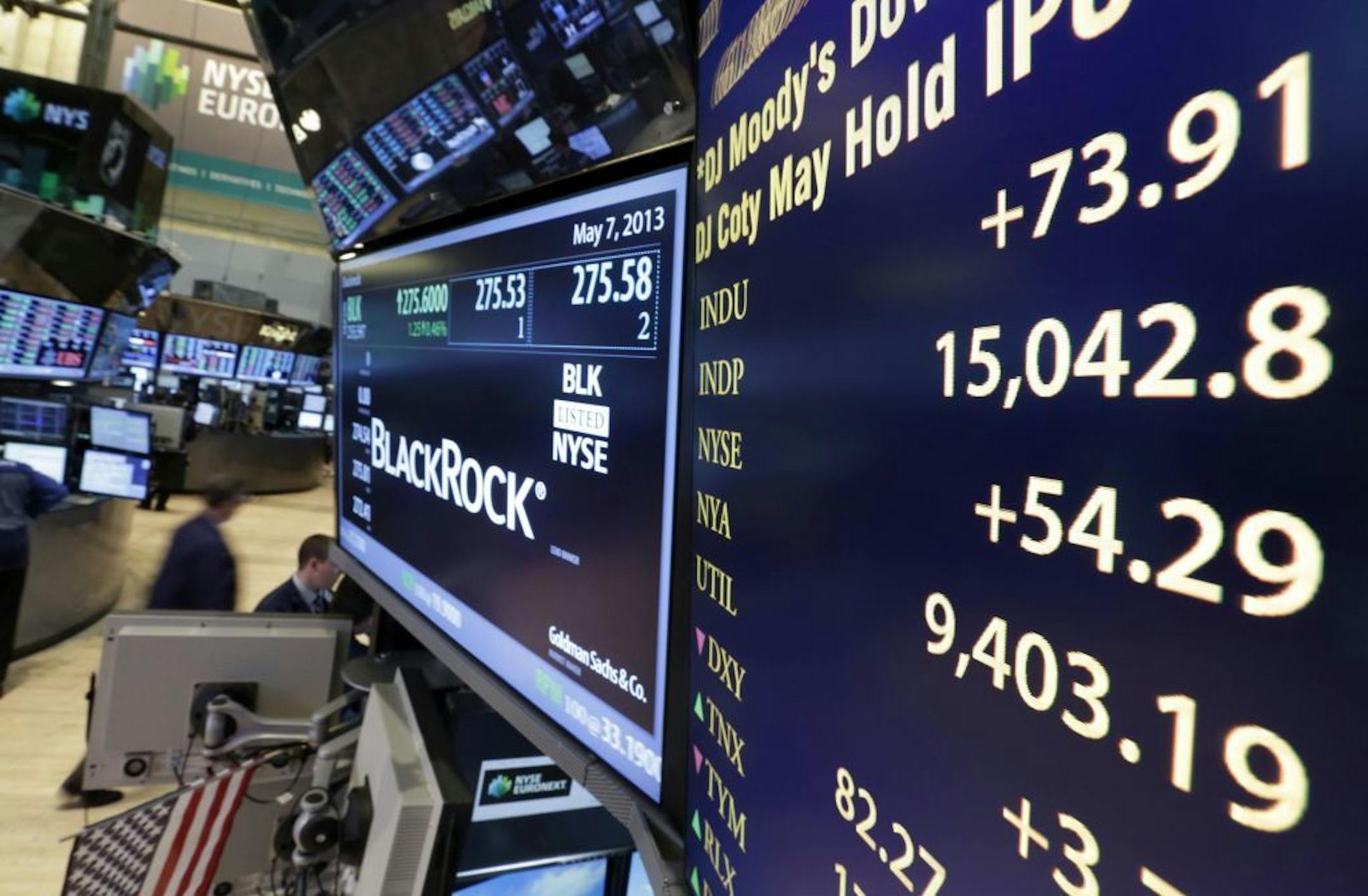
From the grim first quarter of 2009, when the closely watched Dow Jones industrial average hit lows around 6,500, the market has roared all the way back to prerecession levels and then on to new highs, with the Dow closing last week above 15,000.
It should be time for retirement savers to celebrate. But for millions of American workers who don't even have retirement accounts, a strong stock market doesn't matter. And for millions more, it won't be enough to make a big difference in their lives.
More than a quarter of American workers are not confident about saving enough money for retirement, according to a survey published this spring by the Employee Benefit Research Institute (EBRI), the highest level in the 23 years that it has tracked retirement savings. Only about 13 percent said that they are very confident.
Workers, the EBRI speculated, are starting to figure out just how big of a hole many of them are in.
It's actually surprising, given the data, that it was only 28 percent who said they are "not at all confident" about having a comfortable retirement. Nearly one-third of workers said they have less than $1,000 in savings or investments and well over half have less than $25,000.
EBRI tracks millions of 401(k) accounts, too, and only 7.5 percent of them at the end of 2011 held more than $200,000. More than 40 percent of accounts had less than $10,000.
The average 2011 year-end account balance of people in their 50s and who have been in a plan for 20 years, folks hopefully on their final lap before retirement, was about $176,000. Recent EBRI estimates suggest that this group, on average, saw account balances grow from January 2012 through May 1 by more than 25 percent, pushing their account balances to about $220,000.


