

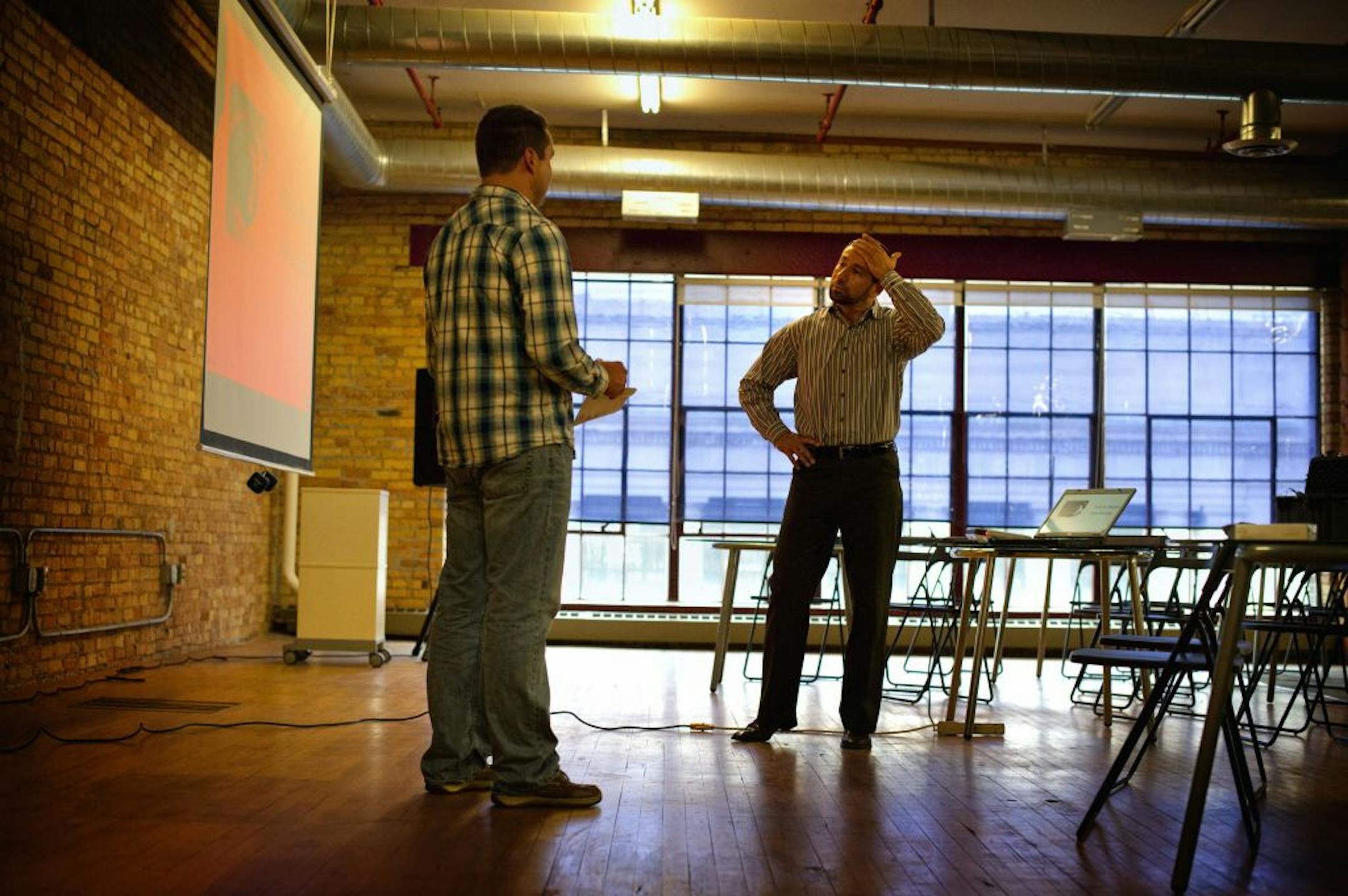
The founders of Project Skyway, the first true technology accelerator for start-up companies in the Twin Cities, have acted like the best entrepreneurs they hoped to nurture: They paid attention to what the market was telling them and then rebooted.
So while Project Skyway is no more, there is a new seed-capital investor in Minneapolis called the Skyway Fund opening for business this weekend as its website goes live.
"What we learned is that we can make 10 times the difference by making early-stage investments," said Skyway co-founder Casey Allen. "All of the evidence tells me that we [in the Twin Cities] are not ready for an accelerator."
An accelerator is meant to provide help, and it's well worth paying attention to what Allen is saying. No amount of smart and well-intended advice really works, he's arguing, without enough available local capital to turn the most promising new ventures into real businesses.
Allen and his partner Cem Erdem, the founder and chief executive of Augusoft Inc., didn't understand that when they began discussing accelerators in 2010. Erdem had long aspired to launch one, and in Allen's account of their first conversations, both of them easily recalled their own rookie mistakes.
It's how Project Skyway got its name, because Erdem once thought dropping fliers for his business in the Minneapolis skyway system was a fantastic idea. It was only by actually trying out the strategy that he quickly found out it wasn't.
An accelerator program is designed to help entrepreneurs avoid the most-common blunders and quickly get the company to the point that it begins to look attractive to investors. The concept may seem a bit like a fad, but tech accelerators such as the well-known Y Combinator in Silicon Valley have helped launch successful companies like Reddit and Dropbox.
In exchange for equity in the start-up, the accelerator provides some wolf-from-the-door money, usually $20,000, and lots of help in an intensive, working-side-by-side environment. The entrepreneurs get mentors, other expert advisers and feedback from their peers at other start-ups. They get their strategic plans massaged and product plans tweaked, and may even get asked to rename their companies.


