

It must get confusing in the IT department at the Associated Press: Are you talking about the hackers who hacked our Twitter account or the Justice Department hackers who hacked our phones? On Monday, the Associated Press reported that the Justice Department had secretly obtained two months of records of phone conversations by its reporters. Meanwhile, the Washington Post revealed that the Internal Revenue Service's targeting of conservative groups was more widespread than first reported. Someone at the IRS also leaked information about conservative groups to ProPublica. The Environmental Protection Agency may also have made it easier for environmental groups to file Freedom of Information Act requests than conservative organizations.
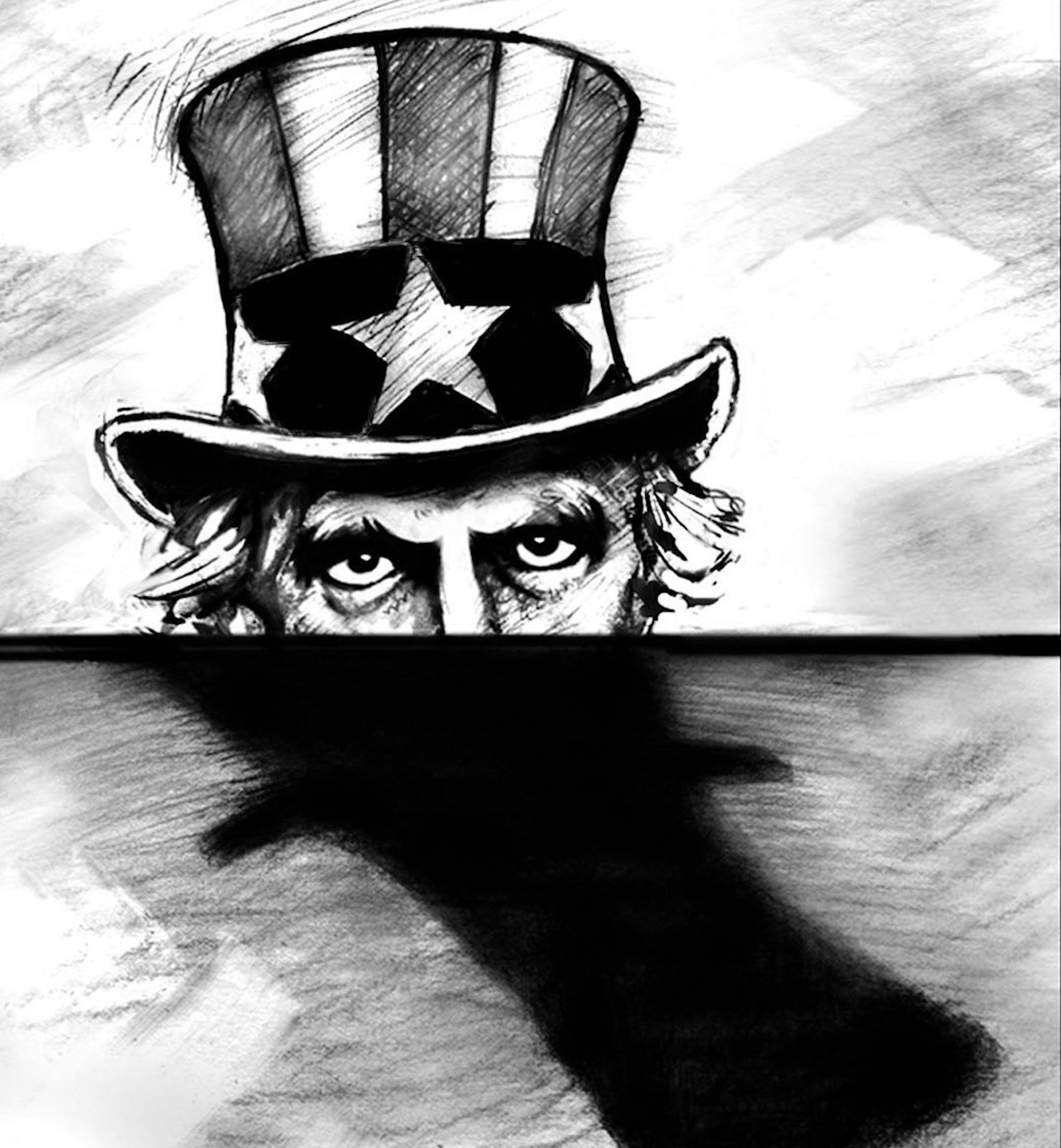
The Obama administration is doing a far better job making the case for conservatism than Mitt Romney, Mitch McConnell or John Boehner ever did. Showing is always better than telling, and when the government overreaches in so many ways, it gives support to the conservative argument about the inherently rapacious nature of government.
First, let's get our terms straight. Conservatives are not the same as Republicans. The former believe in a philosophy that stays roughly fixed, and the latter belong to a party that occasionally embraces the philosophy but deviates when necessary to win elections, pass legislation, and follow the selfish aims of those who are in office and want to remain there. Conservatives argue against the expansion of government, whereas Republicans sometimes enlarge it to please their constituents or themselves. Republicans also sometimes botch foreign-policy operations and spin themselves silly in their aftermath, which is why the Benghazi revelations are left out of this grand unification theory.
Though some of these scandals will allow Republicans to score points in the daily tally of who is ahead and who is behind, there is a larger benefit to conservatives that goes beyond the fall in the president's approval ratings or the boost Republican Senate candidates may get in 2014. Those outcomes rely on further adjudication of these issues. It may turn out that President Obama had nothing to do with any of them. It could simply be rogues in various agencies. Or, maybe Obama orchestrated the whole kaleidoscope of wrongdoing on the White House whiteboard. You don't have to embrace either of those theories to see that it's much easier to agree with the conservative notion that government is a mess. We have enough evidence of that already.
Conservatives argue that the more government you have, the more opportunities you will have for it to grow out of control. That is why my frequent correspondent Charles Flemming, a blogger, cheers every story I write about Washington gridlock. He wants less government, so he's fine if it does nothing.
Another conservative correspondent points to economist James Buchanan, who won the Nobel Prize in 1986 for his work studying economic incentives in government. His argument was that politicians are not benevolent agents of the common good but humans acting in their own self-interest or for a special interest. "If there is value to be gained through politics," Buchanan wrote, "persons will invest resources in efforts to capture this value." Since Democrats and Republicans alike are sinful, each side will find ways to work that is self-interested, rapacious and boundary-breaking. Keep the government small to limit the damage.
Whether these scandals are the result of base motives or a desire to act for the greater good, the eventual result is the destruction of individual liberties. Your IRS comes down on you because you have the wrong ideology or, in the name of protecting the citizenry, the Justice Department starts listening to your phone calls.
The confluence of these moments of government overreach may not swell the ranks of conservative clubs, but it could have an effect on policy. As Sen. Lamar Alexander, R-Tenn., has long argued, conservatives believe not only in limited government, but limitations to sweeping acts by government. Large, comprehensive bills like the proposed immigration reform and the Obama health care plan lead to too many unintended consequences. Alexander quotes Irving Kristol, who called himself a "policy skeptic." His skepticism is rooted in what appears to have happened at the Justice Department, IRS and EPA: Big, sprawling government inevitably gets out of hand.


