

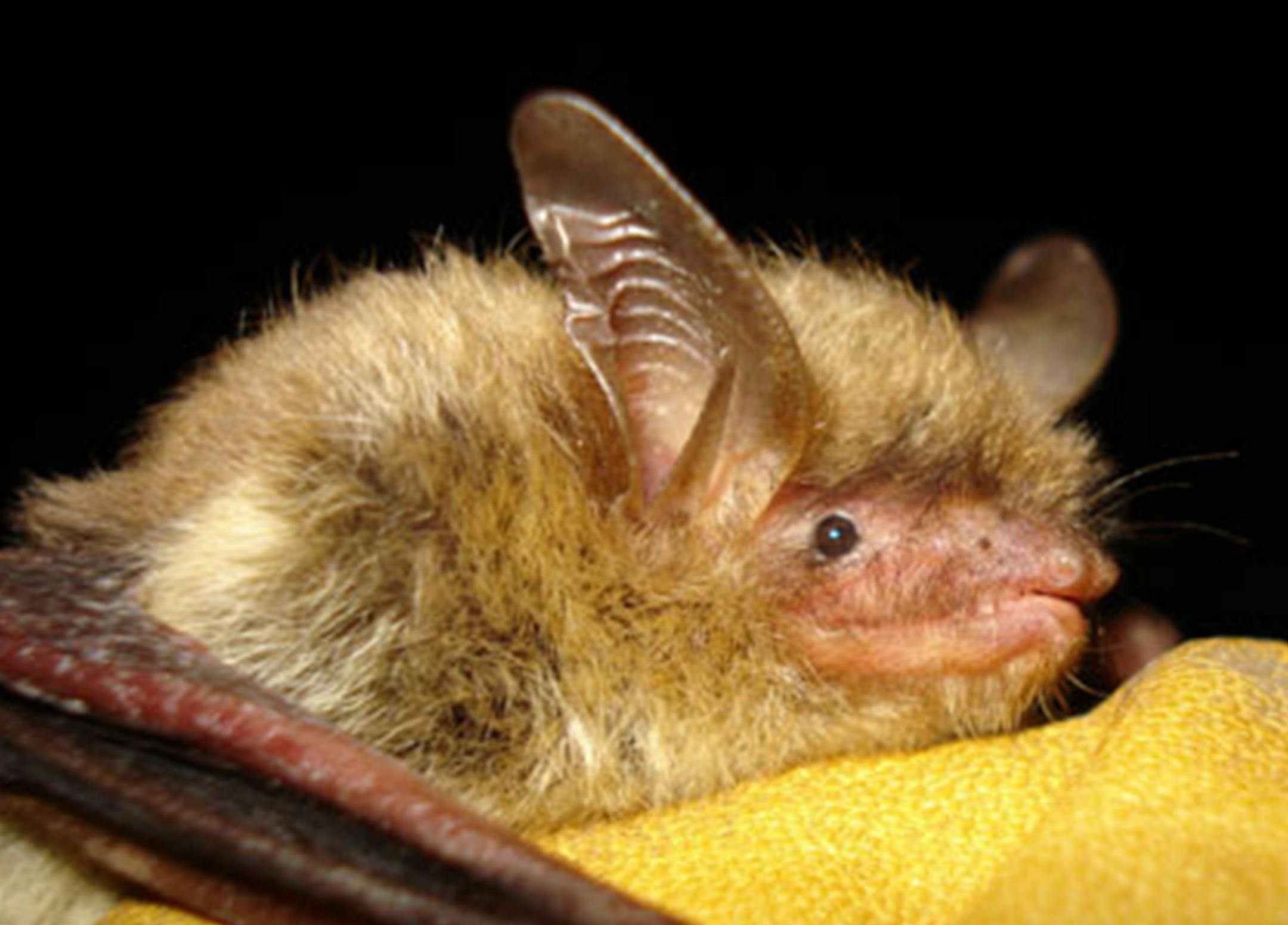
If you contracted a disease that had a 99 percent mortality rate every winter, what would you rather have experts do: immediately find a treatment for it, or remodel where you might reside next summer, even though it's unlikely you'd still be alive?
If you think there's just one logical choice, be glad you're not a Northern Long-Eared Bat.
These bats now die in great numbers every winter, and there's no disagreement about how and where: from a disease discovered in caves only as recently as 2006. But rather than focusing on disease prevention and treatment, the U.S. Fish and Wildlife Service seeks to make ill-conceived changes to the bats' summertime habitat as part of a proposal to list the Northern Long-Eared Bat as an endangered species ("Devastating bat fungus could fell timber industry," Aug. 19).
Such action would do nothing to address what ails these bats, but it would harm a forest-products industry that provides excellent products and employment across America, including 30,000 jobs in Minnesota.
More than 5.5 million bats have died during the past eight years in 25 states and five Canadian provinces. This isn't due to farming, wind turbines, forest management or other reasons, but to white-nose syndrome. This fungal disease, which thrives in the low temperatures and high humidity common in caves where bats hibernate, has killed 99 percent of bat populations in parts of the Northeast, according to the Fish and Wildlife Service's own data.
So what does the Northern Long-Eared Bat's summer habitat, which includes forest land in Minnesota and elsewhere, have to do with fungus in wintertime caves? While the Fish and Wildlife Service acknowledges that white-nose syndrome, for which there is yet no cure, is the cause of the bats' diminishing population, it wants to create ways to enhance the population in non-hibernating months.
And since Northern Long-Eared Bats like to roost underneath bark or in crevices of both live and dead trees during the summer, the Fish and Wildlife Service's preliminary guidance to federal agencies identifies regulation of forest practices as a way to accomplish this.
Among its recommendations are to prohibit summertime forest-management activities within a 5-mile radius of "hibernacula" (the caves in which bats hibernate) and within a 1.5-mile radius of actual and potential roost trees that are 3 inches in diameter or larger.


