

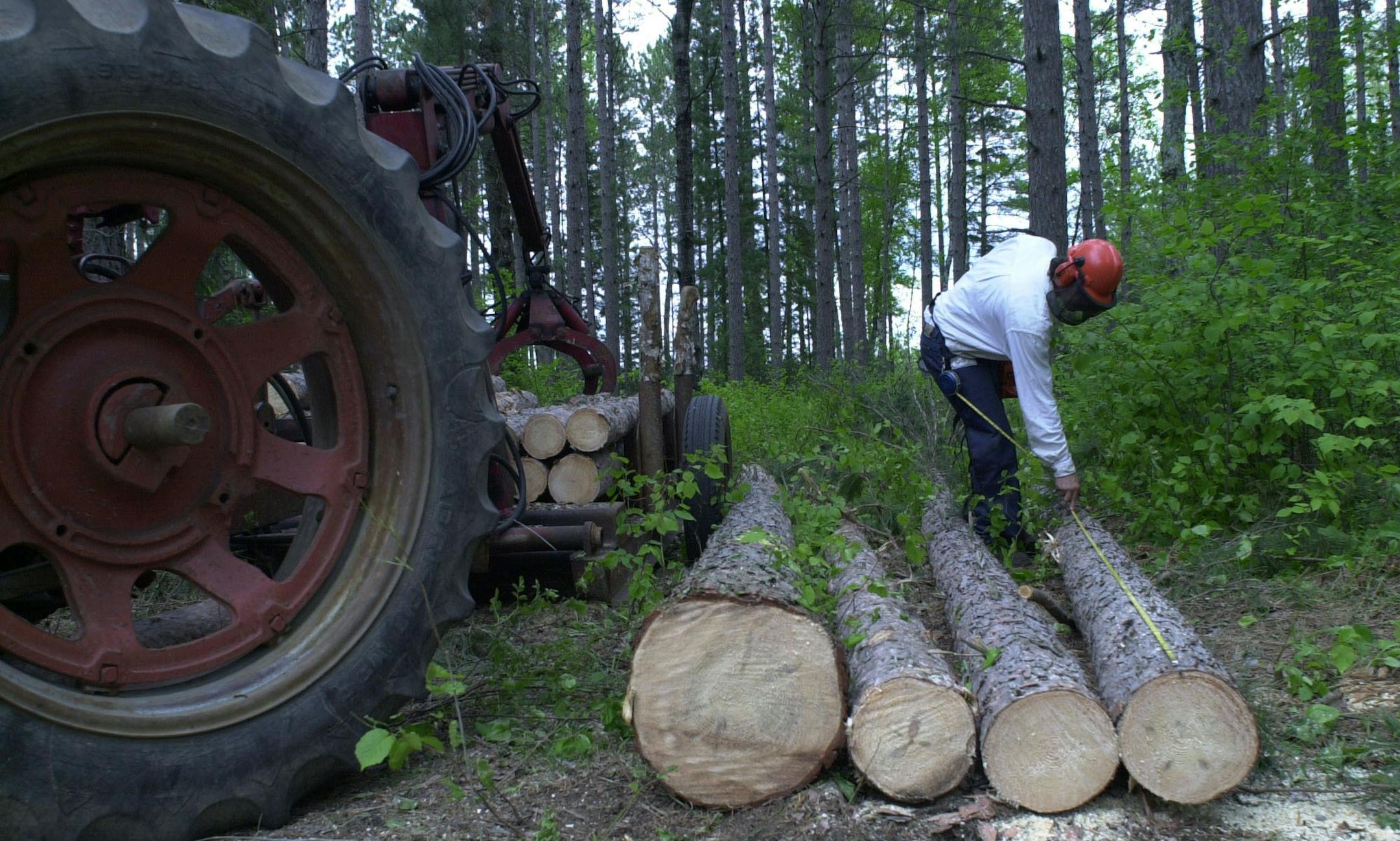
For the third time in 20 years, a comprehensive assessment of the sustainable timber harvest levels on state-administered lands has been completed. The latest study mirrors those of previous decades.
The results, however, have been greeted with great disappointment by Minnesota's forest industries, which had convinced Gov. Mark Dayton that the state could offer for sale at least 100,000 more cords of wood per year than current levels.
The motivation for the industry is simple and understandable. Directing the Department of Natural Resources to put more wood on the market — more wood than the market currently needs — will, based on simple supply and demand theory, keep stumpage prices (the value of standing trees) lower.
Some background. Since 2007, the demand for standing timber in Minnesota has declined by over 1 million cords per year (imagine a pile of wood 8 feet high and 8 feet wide that stretches from International Falls to Rochester). This decline was brought on primarily by mill closings in Sartell, Brainerd, Bemidji, Grand Rapids and Cook.
A well-timed, well-designed timber harvest is the most cost-effective management tool available to forest managers. Such harvests rejuvenate declining forests, capitalize mortality, and address insect and disease problems before they become endemic, while providing a product that supports jobs and industry.
However, lost in the current debate is the negative impact that saturating the market with state wood will continue to have on the health of state forests, and on the opportunity of private forest landowners to manage their lands.
Putting up for sale more state wood than is needed provides loggers the opportunity to "cherry pick" the sales. Again their motivation is simple and understandable. Loggers seek out stands of timber with higher density (20-plus cords per acre) and high quality that are close to all-season roads and as close to the mill as possible.
However, many of the stands most in need of immediate treatment rank lower in these attributes and now go unsold. In 2017, of the approximately 900,000 cords that the DNR offered for sale, nearly 110,000 cords went unsold for even the minimum price, a trend that has been increasing for the last few years. The end result: no sale, no treatment.


