

The life of an impoverished immigrant is tough, whether the person is from modern-day East Africa or Southeast Asia, or came from Europe a century ago.
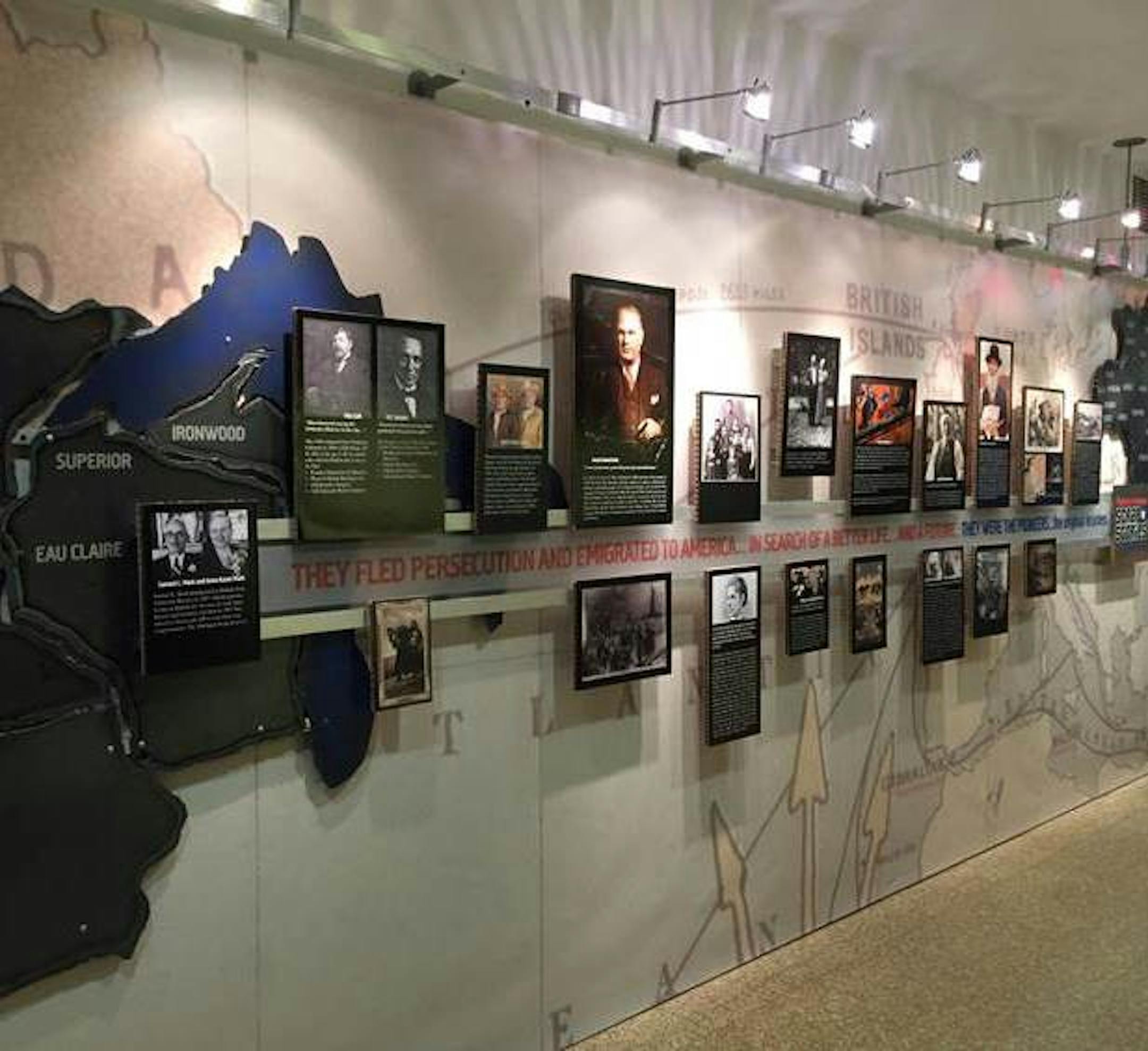
The Sabes Jewish Community Center in St. Louis Park has an interesting immigrant-business-culture exhibit on display through May 26, titled "Peddlers to Processors: Scrap Stories from the Upper Midwest."
The chances are, if your Jewish ancestors immigrated from Eastern Europe or Russia between the 1880s and the Great Depression, someone started out in the scrap industry as a peddler or recycler, which led to small Jewish-owned manufacturers, said Myrna Orensten, a board member of the Jewish Historical Society. Her family started out in the scrap trade in the early 1900s.
Many mainstream businesses closed their doors to Jews in the anti-Semitic Twin Cities before World War II. So Jews started their own businesses, often in the metals-and-rag trades, feedstock for industrial recycling and manufacturing.
Part of the exhibit will move in June to the St. Paul JCC.
The exhibit features the original peddler cart and 50 pounds of brass scrap collected from Hy Kaplan of H.S. Kaplan; glimpses into the lives of such builders as Harry Isaacs of American Iron; and photos and artifacts from the early days of the "junk business."
A related panel discussion, which was filmed earlier this month, featured businesspeople with ties to the old days, including Jack Krenzen, whose father was one of the last wagon peddlers in Minneapolis; Rick Rosen of Union Scrap, Mike Zweigbaum of Alliance Steel, Harold Kaplan of Kaplan Metals and Steve Ettinger of American Iron.
"This is not old news," Orensten said in a message. "It is just the beginning of an effort keeping our history alive; teaching, collecting, sharing and documenting our communities stories."


