

For a business with a reputation for treating customers with an indifference bordering on hostility, Ryanair has done rather well. The Irish low-cost carrier is Europe's biggest airline, transporting 80 million passengers a year. It is still growing, and raking in pots of cash.
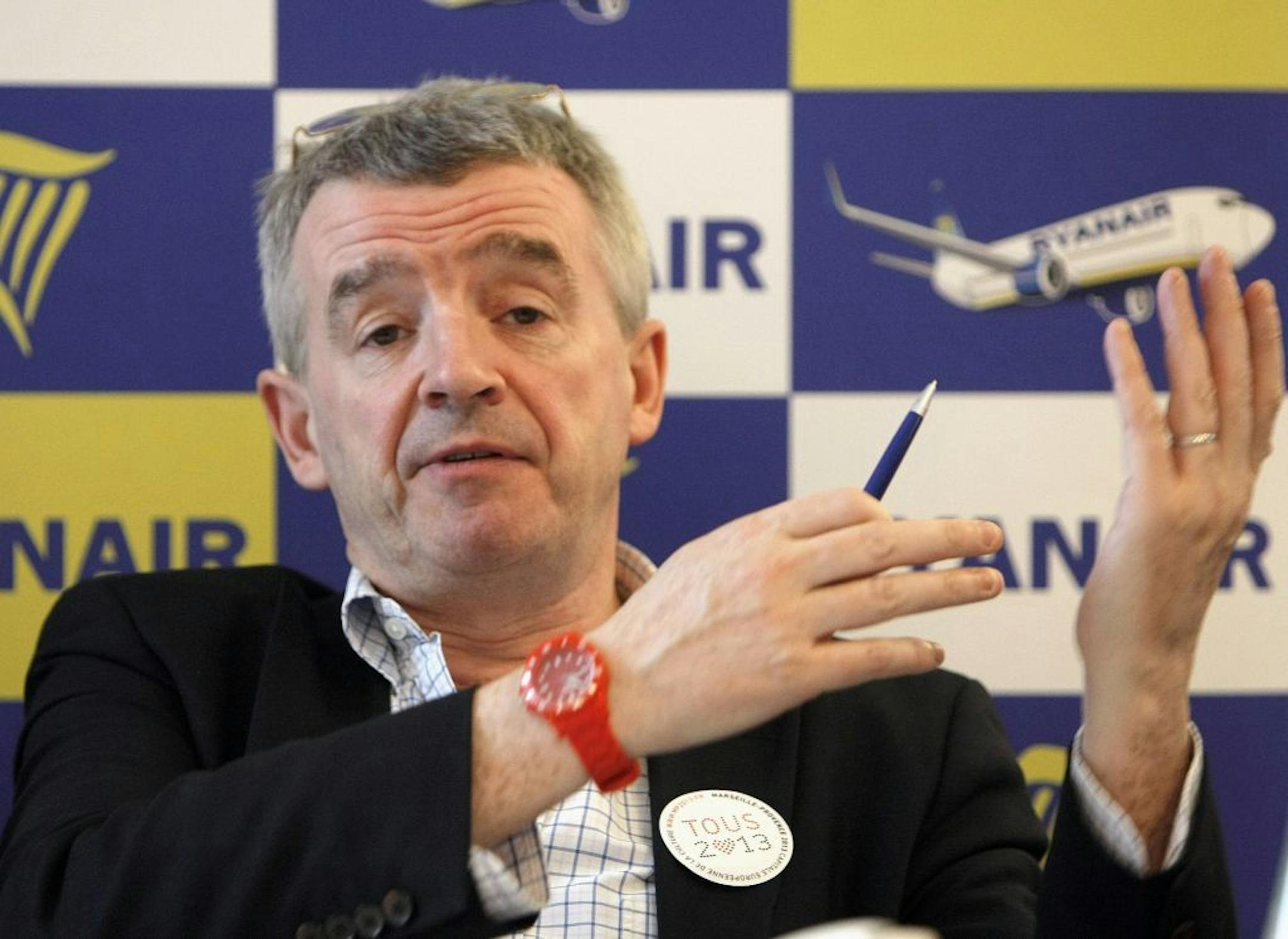
Michael O'Leary, its abrasive boss, says the common perception is that Ryanair's tickets are so cheap that travelers will "crawl over broken glass" for them.
Why, then, did he use the firm's annual general meeting in September to announce a new, softer Ryanair? Perhaps he worries that new European rules on state aid will force him to put up prices and that fliers will expect more for their money. Or that he is losing out to EasyJet, a slightly less down-market carrier.
Or maybe all those tales of woe from fliers are weighing on O'Leary's conscience? OK, scrub that last one.
Newspapers across Europe eagerly print passengers' gripes about Ryanair's abrupt service, and are encouraged to do so by the airline's reluctance to apologize or even comment. Hitherto, it seems to have assumed that such "bad" publicity saves it more by deterring compensation claims than it costs in lost custom.
Now its calculation may be changing, but not by much. The fixes it is introducing are cheap and easy ways of appearing less "irritating and confrontational," as O'Leary describes his airline's current customer-service ethos.
Improving the website, which he admits is "crap," will mean more business.
An unpopular $94 fee for reissuing boarding passes at the airport will be lowered by $16. Although it is portrayed as a money-spinner, O'Leary says fewer than 10 passengers a day have to pay it.



