

Opinion editor's note: Editorials represent the opinions of the Star Tribune Editorial Board, which operates independently from the newsroom.
•••
The Minnesota Supreme Court has wisely issued a ruling that expands camera and audio coverage of courtroom proceedings.
The decision has been long in the making, coming after decades of calls to modify what had become an outdated policy. Florida was the first state to permit broad video and audio access to court proceedings in 1979. More than 35 states now allow access, including neighbors Wisconsin, Iowa and North Dakota.
The Star Tribune Editorial Board has been among the many entities seeking such coverage, persuaded long ago that the benefits of transparency would outweigh potential disadvantages. The track record showing that modern technology can open a window onto court proceedings without being disruptive is a strong one.
Minnesota's restrictions have been easing over time, most notably in civil cases. In criminal cases typically all parties, including the judge, prosecutor, defense and others, must agree to video coverage, and that is a rarity. Under the new ruling, which takes effect in January, the judge in each case will have broad discretion.
Supreme Court Chief Justice Lorie Gildea, writing for the majority, said it was the court's finding that the change would "promote transparency and confidence in the basic fairness that is an essential component of our system of justice in Minnesota and protect the constitutional rights and safety of all participants in criminal proceedings in the state."
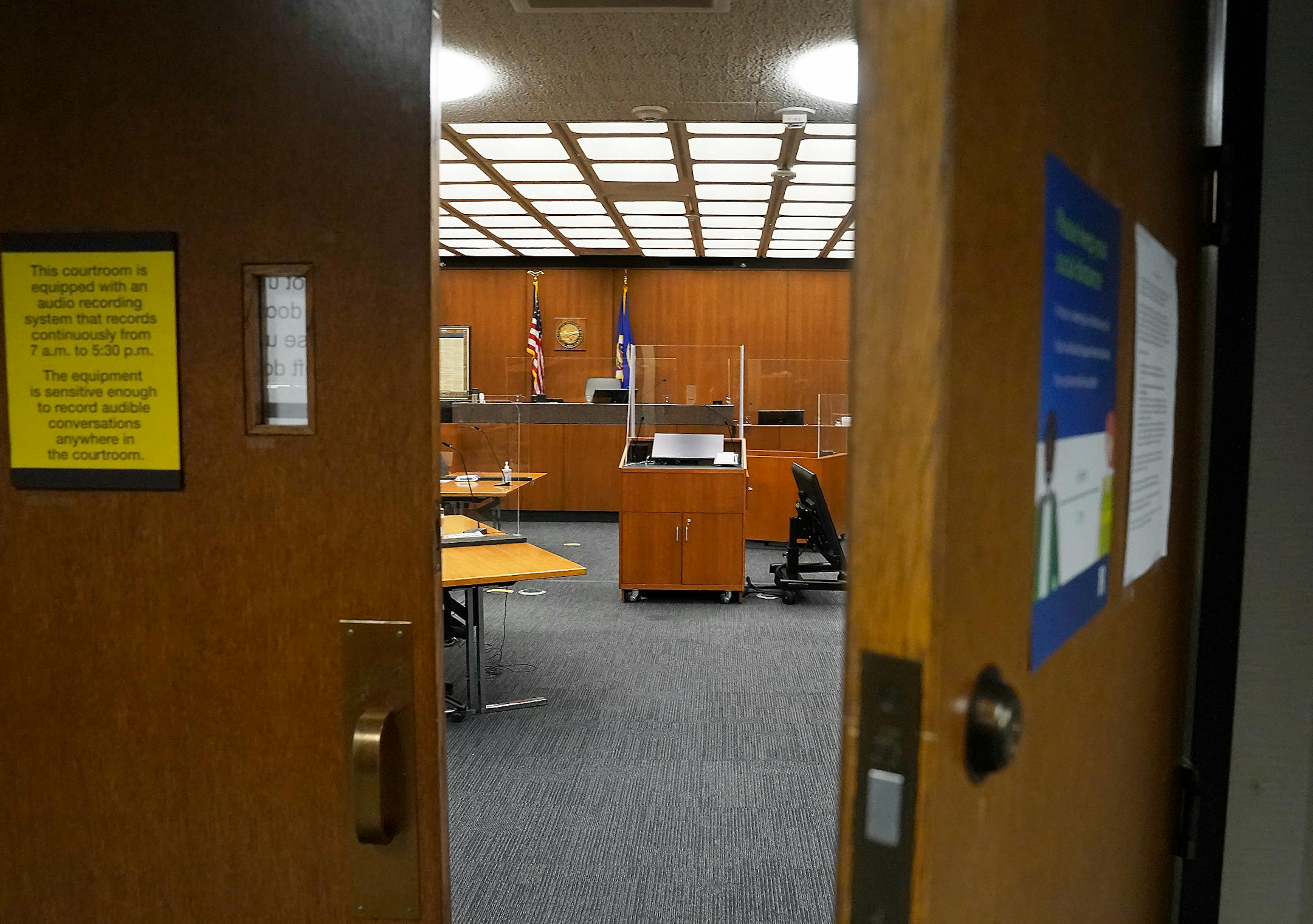
One recent high-profile exception to the state's restrictions was in the 2021 trial of former Minneapolis police officer Derek Chauvin, convicted of the murder of George Floyd. Presiding Hennepin County District Judge Peter Cahill, despite initial reservations, opened the proceedings over the objections of defense attorneys, prosecutors and victims' rights groups, in part because of intense and widespread public and media interest in the case, coupled with the limitations of the pandemic.


