

You might think you’re set for retirement because you’ve ridden this bull market to new highs and now sport a seven-figure 401(k) balance.
The number on your screen might look impressive, but if your savings is in a traditional 401(k) account, the cold, hard reality is: Federal and state income taxes are going to claim a substantial share — often a painful amount — before you can enjoy it in retirement.
Whether your nest egg is six figures or seven, the tax man is waiting to collect. Years of disciplined saving might feel rewarding, yet the final take‑home might leave you wanting.
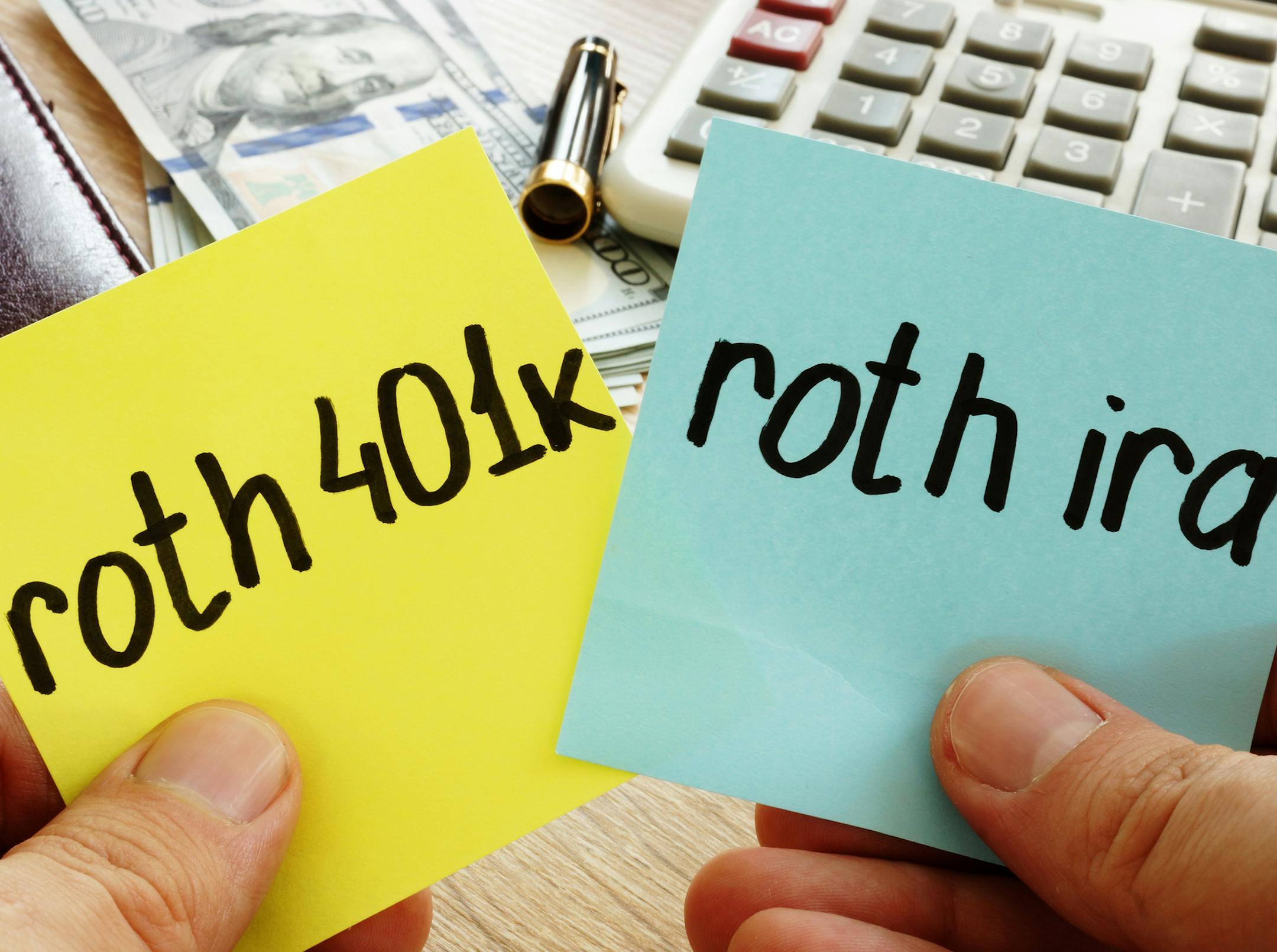
But there is a way to avoid this disappointment. Roth 401(k) accounts, available since 2006, offer relief by letting you save through payroll deduction, invest broadly and withdraw all contributions and accumulated earnings entirely tax‑free.
Younger savers
The Roth solution comes with a cost. You can place only after‑tax dollars into a Roth account, which means to benefit from a Roth’s tax‑free compounding, you cannot deduct your contributions from taxable income. For those under 40 who are able to practice some delayed gratification, the advantage of avoiding taxes on all future accumulated earnings typically substantially outweighs the immediate tax savings of deducting contributions.
Middle-aged savers
For those older than 40, the Roth decision demands sharper analysis. At this point, you have fewer years for compounding to work its magic. Yet you’re also in your peak earning years, when every tax deduction is most valuable. The irony is that for most, decades of employer contributions have already stuffed your 401(k) account with pre-tax dollars, leaving you with a sizable — and growing — tax bill waiting in retirement. Shifting some savings into a Roth now creates crucial tax diversification and gives you real control of how much income you expose to taxation later.
Older savers
For those nearing, or already in, retirement, the Roth 401(k) account offers some real advantages. If you’re looking to maximize the amount you’re stashing away in your final working years, Roth contributions are worth more because there is no tax when withdrawn in retirement. Even better, you don’t have to withdraw Roth 401(k) assets because of RMDs (Required Minimum Distributions) that start at age 73. You’re also able to pass Roth assets to heirs entirely free from income tax. And unlike distributions from a traditional pre-tax 401(k) account, Roth distributions don’t count when calculating income to determine the taxability of your Social Security benefits.
In-plan Roth conversions
For many successful 401(k) savers, it can make sense to explore converting a portion of taxable retirement savings into tax‑free savings. An in‑plan Roth conversion lets you transfer assets already accumulated in a traditional 401(k) into a Roth account. The move can be especially powerful for early retirees or anyone expecting a temporary dip in income, since the converted amount is taxed as income in the year of conversion. This isn’t a casual decision and demands careful planning, but the long‑term benefits can be substantial.


