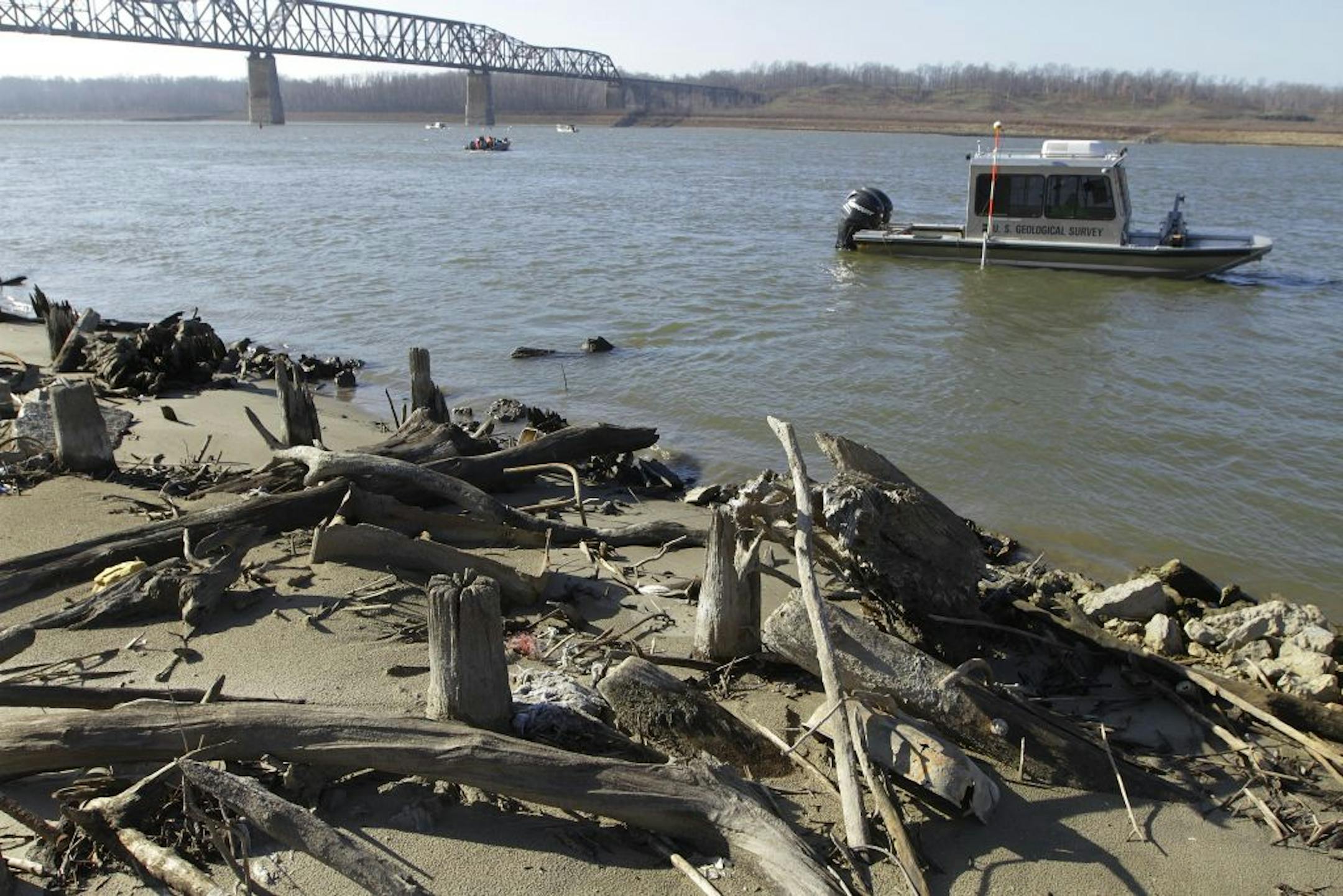
Mississippi River shippers are hoping for a warm, snowy winter to keep the river full when barge traffic resumes in the spring.
The summer's drought plus winter's freeze in the north have cut flow to the Missouri and Mississippi rivers. The National Weather Service predicts that in a bottleneck stretch south of St. Louis, the Mississippi will fall to a depth of one foot by Jan. 24.
"It's kind of a story that just keeps hanging out there right ahead of us," said Lee Nelson, president of Upper River Services Inc. in St. Paul, which moves barges between terminals on the river. "It's just this constant waiting game."
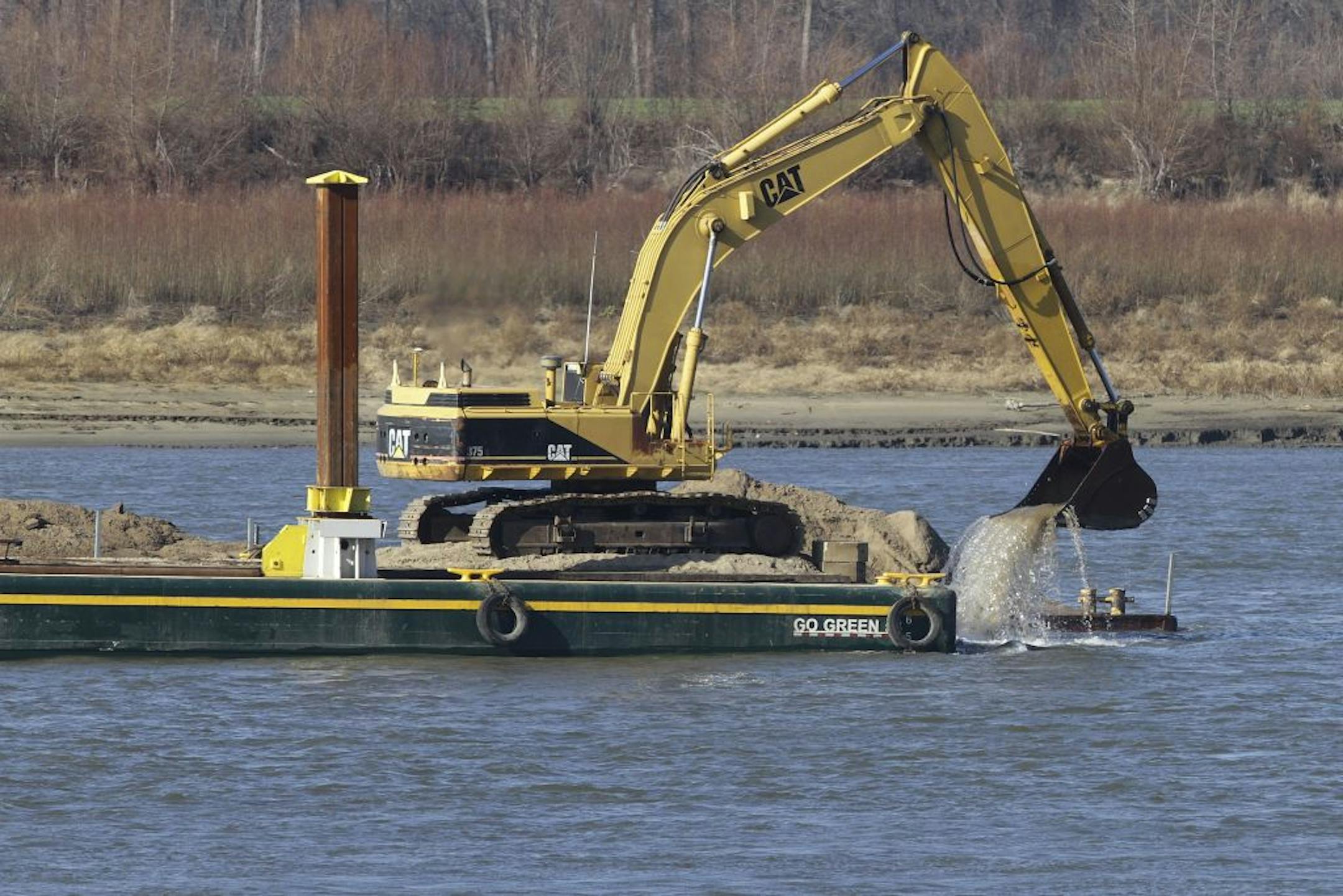
In December, the U.S. Army Corps of Engineers started blasting to deepen the river at Thebes, Ill. The Waterways Council, a barge trade group, applauded the work, but warned, "this offers only a delay of the inevitable, an effective halting of barge transportation."
The system of locks and dams that governs the river between St. Paul and St. Louis has helped insulate the northern stretch of the trade route from the drought -- so far. To get through all the locks without running aground, the hull of a barge must be no more than 9 feet below the water's surface, and that hasn't changed with the severe dry spell.
But under normal conditions, a barge loaded in St. Louis can take on heavier loads and travel in water that's 12 feet deep with more powerful towboats pushing a wider raft of barges. A shallower river means stricter draft restrictions, and lighter barges mean the cost of shipping goes up.
Barge rates out of St. Louis have doubled since last year, the USDA reported last week. Barge traffic for Lock and Dam No. 1 in Minneapolis ended 2012 up 6 percent from the 2011 season, with a total of 2,868 vessels passing through.
Barges in Minnesota have stopped for the winter. Traffic through Lock and Dam No. 2 at Hastings stopped on Dec. 3. Last winter, it started again on March 17.