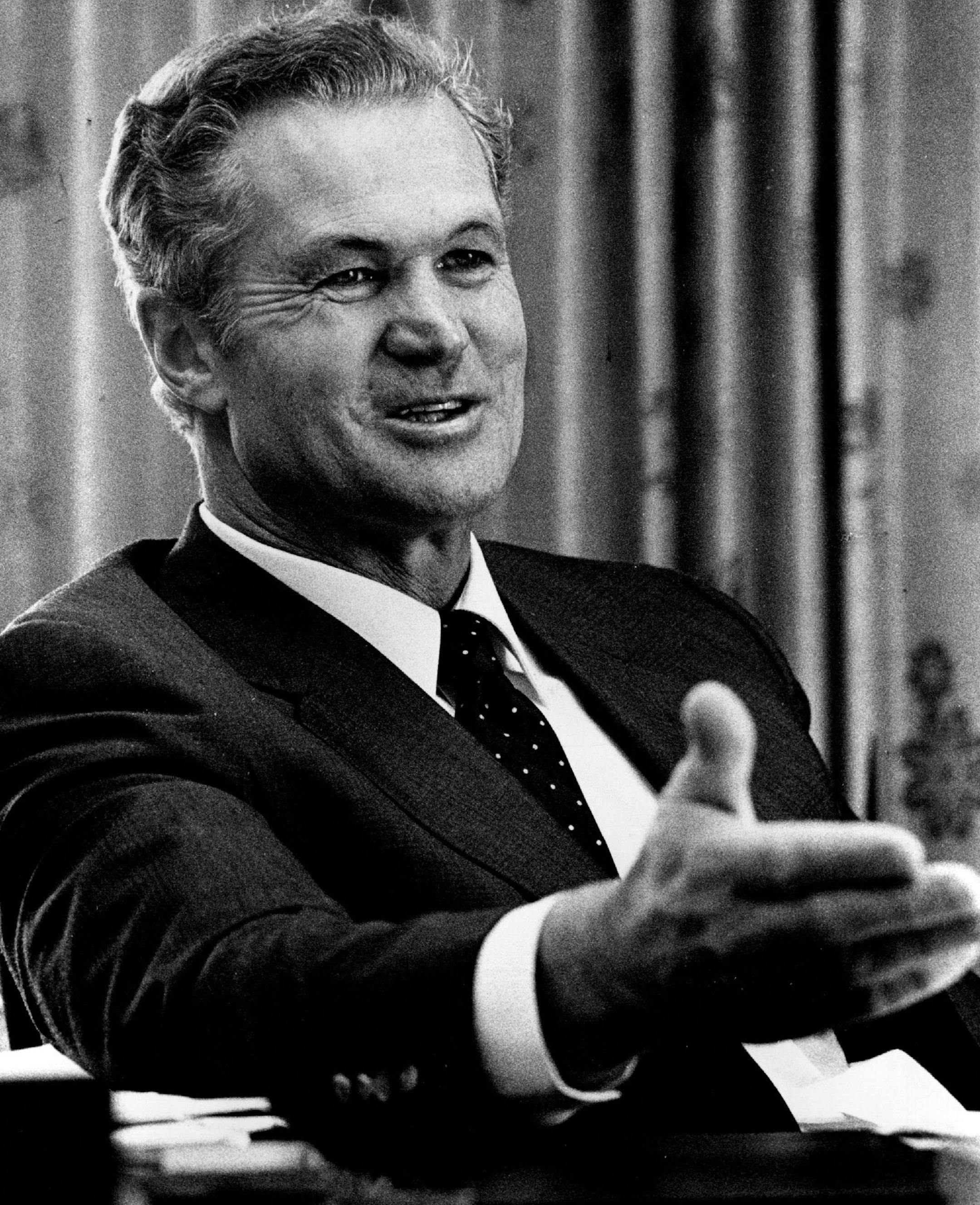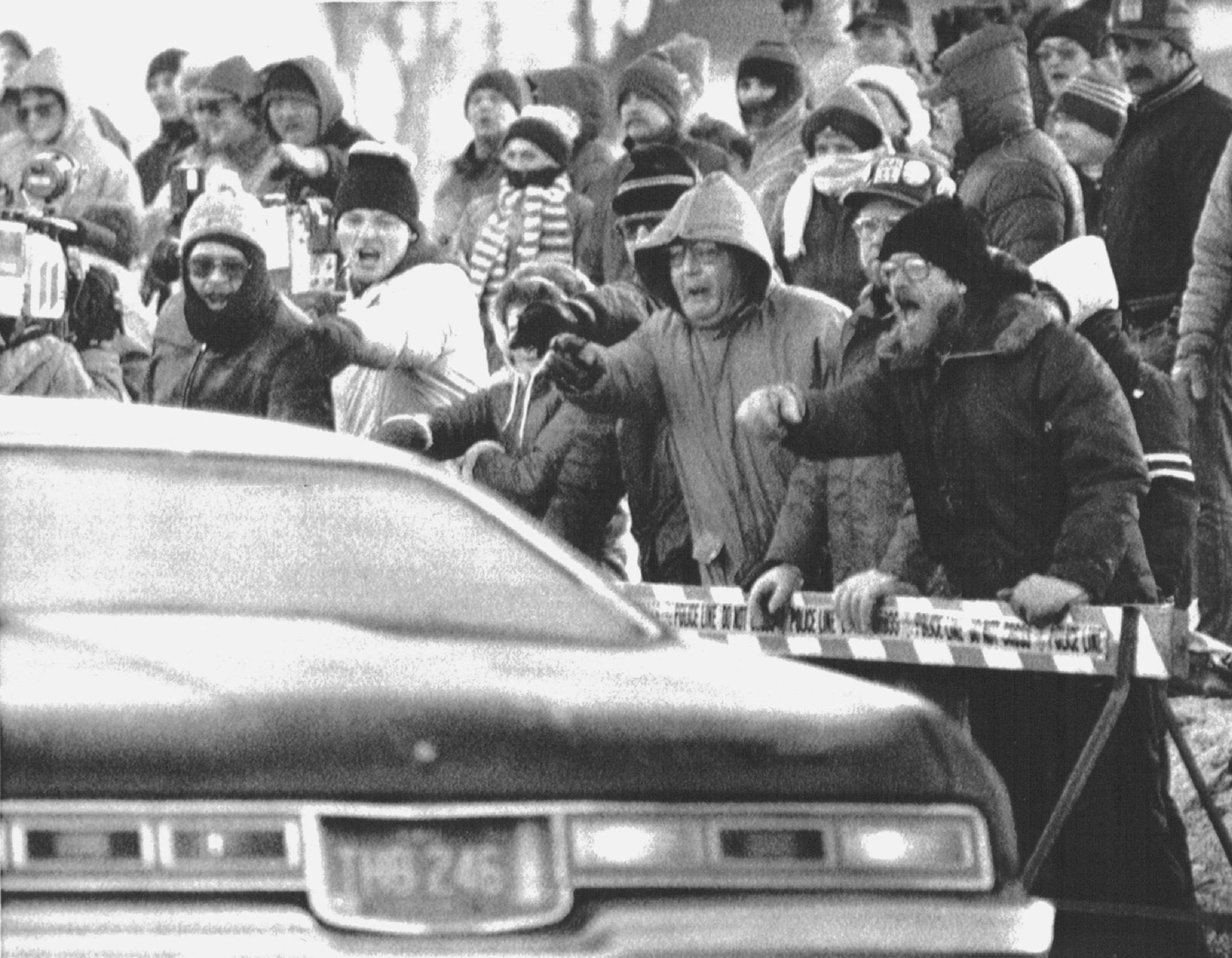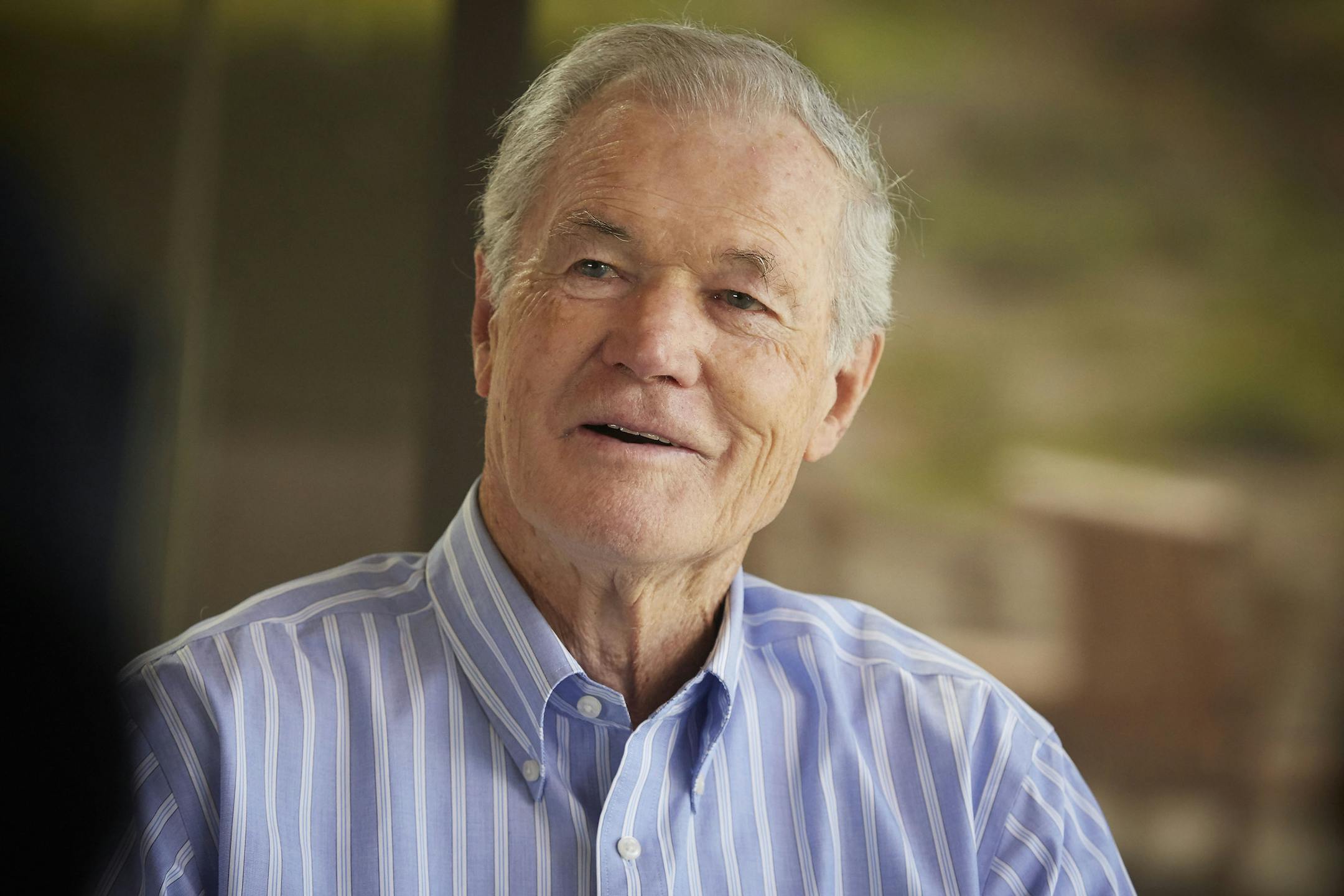
A quintessential company man in a company town, Richard Knowlton led Hormel Foods through a turbulent period of the 1980s that included a bitter, historic 10-month strike as the company sought to lower wages to stay competitive.
Knowlton, who grew up in Hormel's hometown of Austin, Minn., took his first job in its meatpacking plant there at age 16 before rising to reshape both the company and town. As chief executive, his strategies ultimately made Hormel the only old-line meatpacker to survive that transformative era.
He died Friday in Vail, Colo., from complications of Alzheimer's disease. He was 86.
Knowlton followed his father into work at Hormel. But after college, he moved into the company's sales side and later grappled two forces that threatened to snuff out the company: the changing eating habits of consumers and the emergence of low-cost, nonunionized competitors.
"Dick was a catalyst for change," said Jeffrey Ettinger, chairman of the Hormel Foundation and chief executive of Hormel Foods from 2006 to 2016. "He had this deeply rooted knowledge of the company. He knew most of the people at the plant. But he also was a visionary and could see consumers were changing."
After graduating from Austin High School, Knowlton attended the University of Colorado, where he was a standout football player and majored in geography and economics. After college, he joined Hormel's Fremont, Neb., plant as merchandising manager while completing two years as a U.S. Air Force intelligence officer. He later transferred to Austin as manager of the Minnesota route car division.
He worked a number of management jobs at the Austin plant, including general manager, before making the leap across the highway to a corporate job as vice president of operations of what was then called Geo. A. Hormel & Co. In 1979, he was named president and chief operating officer, then promoted to chief executive and chairman of the board in 1981.
The company's profits at the time were shaped by volatile swings in commodity prices, particularly for pork. Over the next decade, Knowlton steered Hormel into making value-added processed products for every corner of the grocery store, not just the meat and deli departments. He pushed the company toward convenience-oriented foods and healthier proteins, leading to the acquisition of Jennie-O Turkey, one of the company's largest businesses today.