

An 1887 newspaper advertisement from R.H. Macy & Co. promised "goods suitable for the millionaire at prices in reach of the millions."
Think about this simple advertising phrase for a minute. Macy's put what was good enough for a millionaire on sale for anybody. What a powerful claim. Even better, it was true.
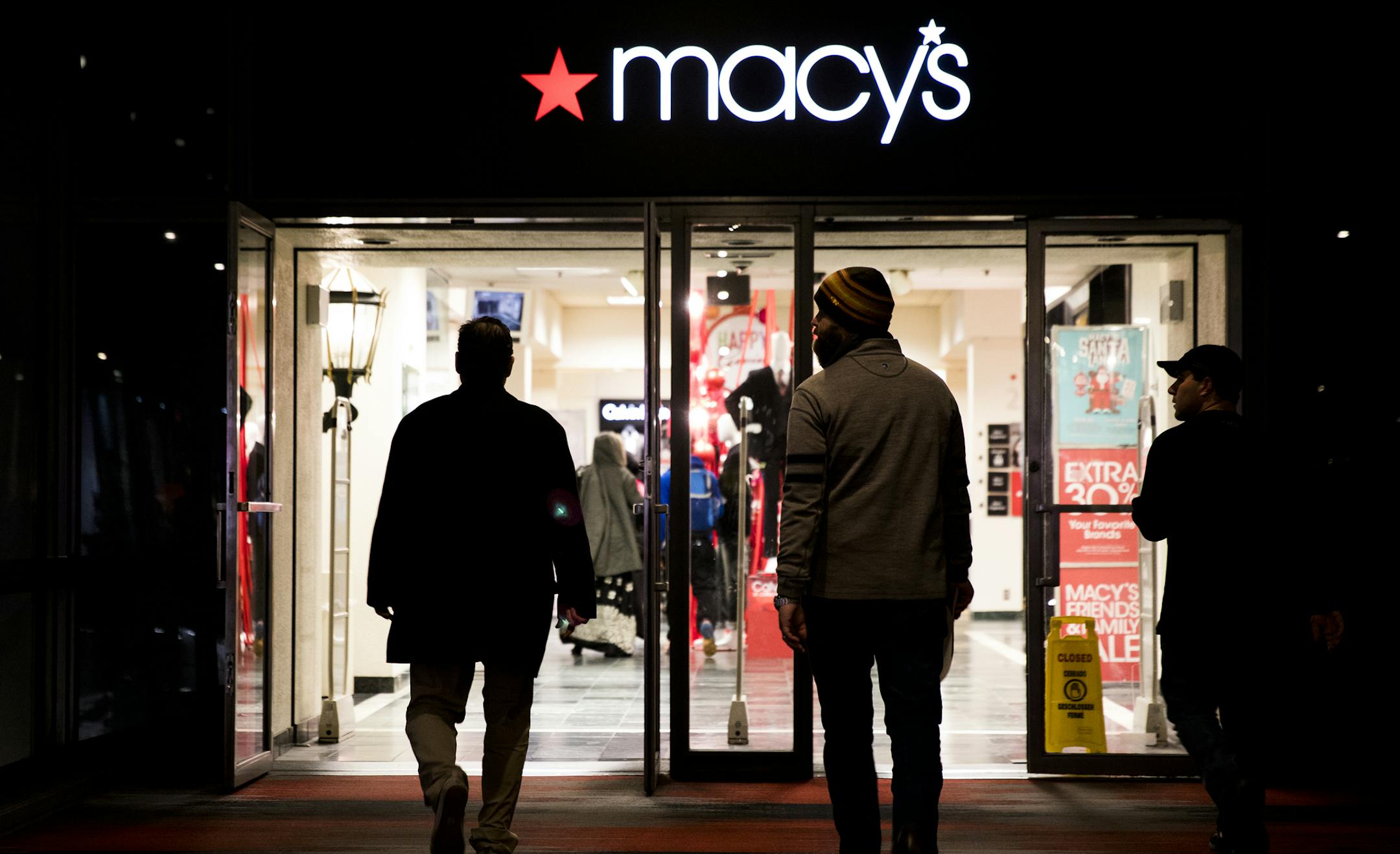
Stores like Macy's delivered on that commitment for nearly 150 years, but their hold on the shopping public has diminished in recent years. The latest evidence came last week when Macy's said it will soon shut down its flagship store on Nicollet Mall, along with more than 60 other stores across the country.
Macy's will still have hundreds of stores open, but its store base is contracting and there's no reason to think that will stop. The reasons vary from changing tastes to online competition to the continuing erosion of that group that once dominated American consumer markets, the middle class. None of these are new trends.
Now that new shoes are a mouse click away, it's easy to forget the cultural role that big downtown department stores once played.
But they are going to be missed. The department store was another of those institutions that tried to bring pretty much everyone together, with bank presidents and receptionists seated side-by-side. That dynamic is getting to be pretty rare in 21st century America.
Department stores were built by entrepreneurs, of course, not social reformers, but they shared a similar vision of trying to help everybody. "Anyone could enter a department store, see and handle the most elegant furnishings," wrote historian Daniel J. Boorstin in a classic book of American economic history. "In this new democracy of consumers it was assumed that any man might be a buyer."
Boorstin is best known today for histories that played down the conflicts between different groups over the course of our shared past. He was far more interested in celebrating American innovations, like the department store, that seemed to place all Americans on more or less equal footing.



