

“Thanks, I needed that.”
So said my companion as we left the Ordway Concert Hall after Friday night’s St. Paul Chamber Orchestra concert. And I’m certain that feeling was shared by many an audience member in the concert’s immediate aftermath.
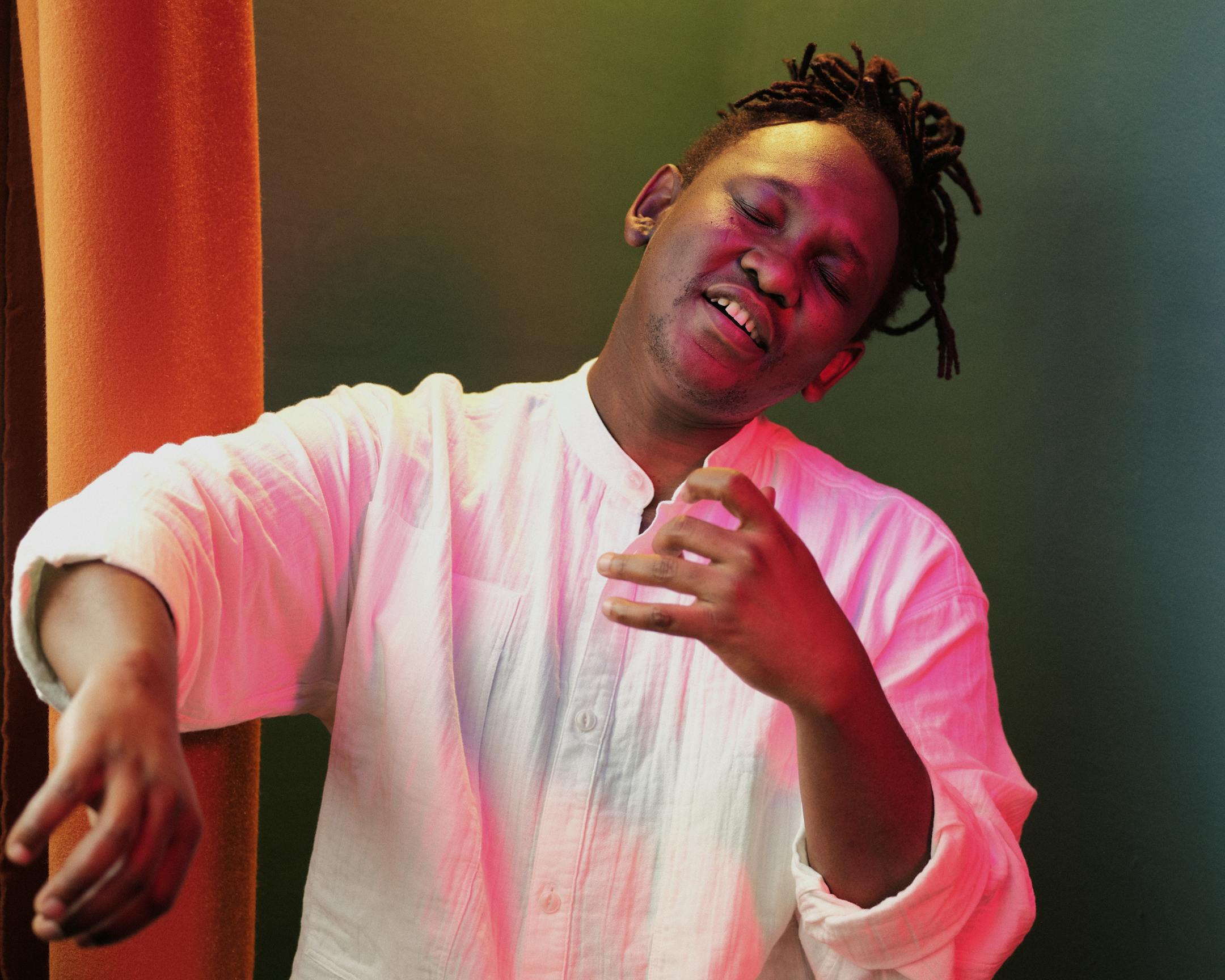
Early in the evening, South African cellist and SPCO artistic partner Abel Selaocoe told the audience that healing would be the evening’s focus. And, indeed, this proved an opportunity to confront stresses, losses and discouragement and find a place of renewal and fresh vitality.
Selaocoe is good at that sort of thing, as he has demonstrated on each of his visits over the past few seasons. He clearly rejects the idea of a conventional concert experience, even though he can play music of the baroque and classical eras with expertise. Selaocoe is more interested in breaking down the boundaries between people, eras and cultures.
The cellist and singer has made a habit of asking audiences to become choirs while he improvises atop them. So the presence of the combined forces of three University of Minnesota choirs might have led some audience members to believe they were out of a job. But not to worry: Selaocoe still conducted the audience in improvised sections, and the U choirs were called upon for far more structured vocal parts.
Such as the hypnotic “Serenity” by Norwegian composer Ola Gjeilo, for which the University Chamber Singers held long and lovely notes while Selaocoe’s cello weaved between their lines. Then the microphone-clad Selaocoe’s singing helped build a bridge between pieces with the choir’s help, he and five SPCO string players eventually dialing the time machine back to the early 1600s for a slice of a viol consort by William Lawes.
The concert’s first half was bookended by American works of recent vintage. The SPCO strings and percussionist Steve Kimball (who was excellent all evening) offered an invigorating take on Shawn Okpebholo’s 2020 piece, “Zoom!,” and Selaocoe joined three other members of the orchestra for a thrilling performance of Gabriella Smith’s genre-bending 2015 work for string quartet, “Carrot Revolution,” which earned the first of the concert’s four standing ovations.
The other three all came in the concert’s second half, when Selaocoe led the orchestra and the mass choir in three works of his own and an inspiring South African hymn. The concert proved most spine-tingling when the choir would repeat an anthemic chant-like chorus and Selaocoe would wail atop it, then plummet downward into an overtone singing technique from the Xhosa culture called umngqokolo.


