

Is this a good time for comedy?
I would argue that it is. If you surrender to fear and dread because of the hostility and violence that’s been visited upon Minnesota, that’s bad for both your heart and head. I would recommend that you seek out a reason to laugh.
Such as this weekend’s St. Paul Chamber Orchestra concerts. You may not think of a classical concert as your best destination for bringing some laughter into your life, but the SPCO has programmed some music that definitely could lift your mood. Whether from the 18th or 20th centuries, the compositions presented find lightness and levity, even amid some occasionally troubled tones.
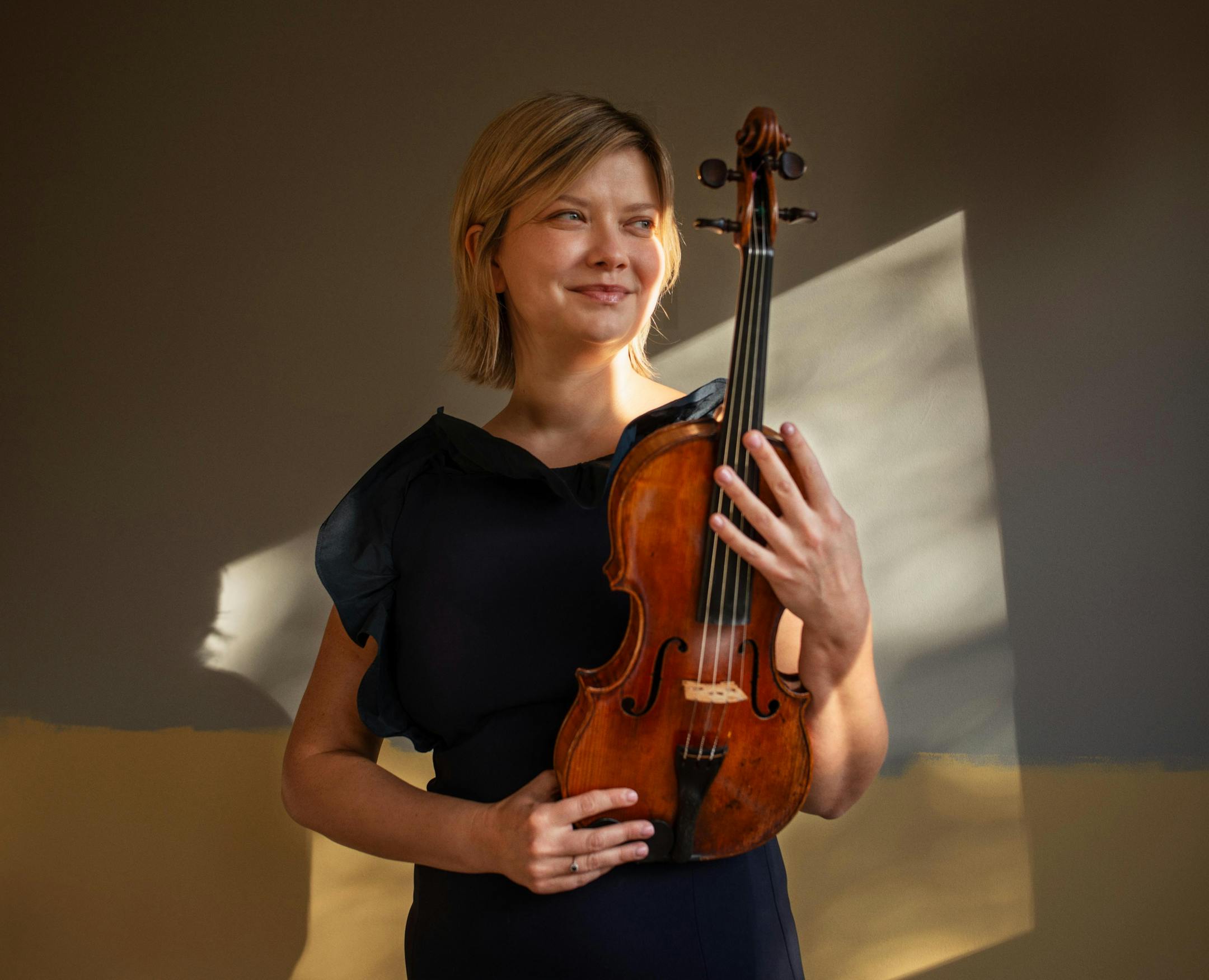
Alina Ibragimova is the key catalyst in this successful quest to combine frivolity and depth. The Russia-born, England-based violinist is the soloist for Mozart’s Third Violin Concerto, is among two soloists for Alfred Schnittke’s “Moz-Art a la Haydn,” and is leading Joseph Haydn’s “Farewell” Symphony from the concertmaster’s chair. At Jan. 16’s midday concert at St. Paul’s Ordway Concert Hall, she brought a consummate combination of exquisite technique and interpretive imagination to every note she played, helping spark a splendidly rewarding performance.
It’s a well-constructed program, following an arc that opens and closes in literal darkness, the hall’s lights extinguished before the first notes are played. The Schnittke piece mixes blithe playfulness with dissonant chaos, snatching phrases from works by Mozart and Haydn and blending in some comical theatricality.
But the best reason to catch these concerts is to experience what Ibragimova brings to the Mozart concerto. She and the orchestra employed engaging dynamic contrast, smoothly transitioning back and forth between the aggressive and delicate. Yes, there’s a lighthearted air to this Mozart confection, but Ibragimova also found the yearning and uncertainty hiding within its phrases.
And each of her cadenzas was captivating, the first movement featuring a fiery flurry of notes, fingers flying, her bow a blur, while the slow second movement felt like an urgent whisper, a kind of quiet plea.
The concert’s second half opened with a woodwind quartet by 20th-century French composer Jean Françaix that served as a musical amuse-bouche, sounding like the soundtrack to a comedic adventure.


