

The scheduling of the 2014 All-Star Game for Target Field became official with a news conference on Wednesday afternoon. Commissioner Bud Selig pointed out that this is now a six-day celebration, rather than the one-day event when the All-Star Game was played previously in Minnesota.
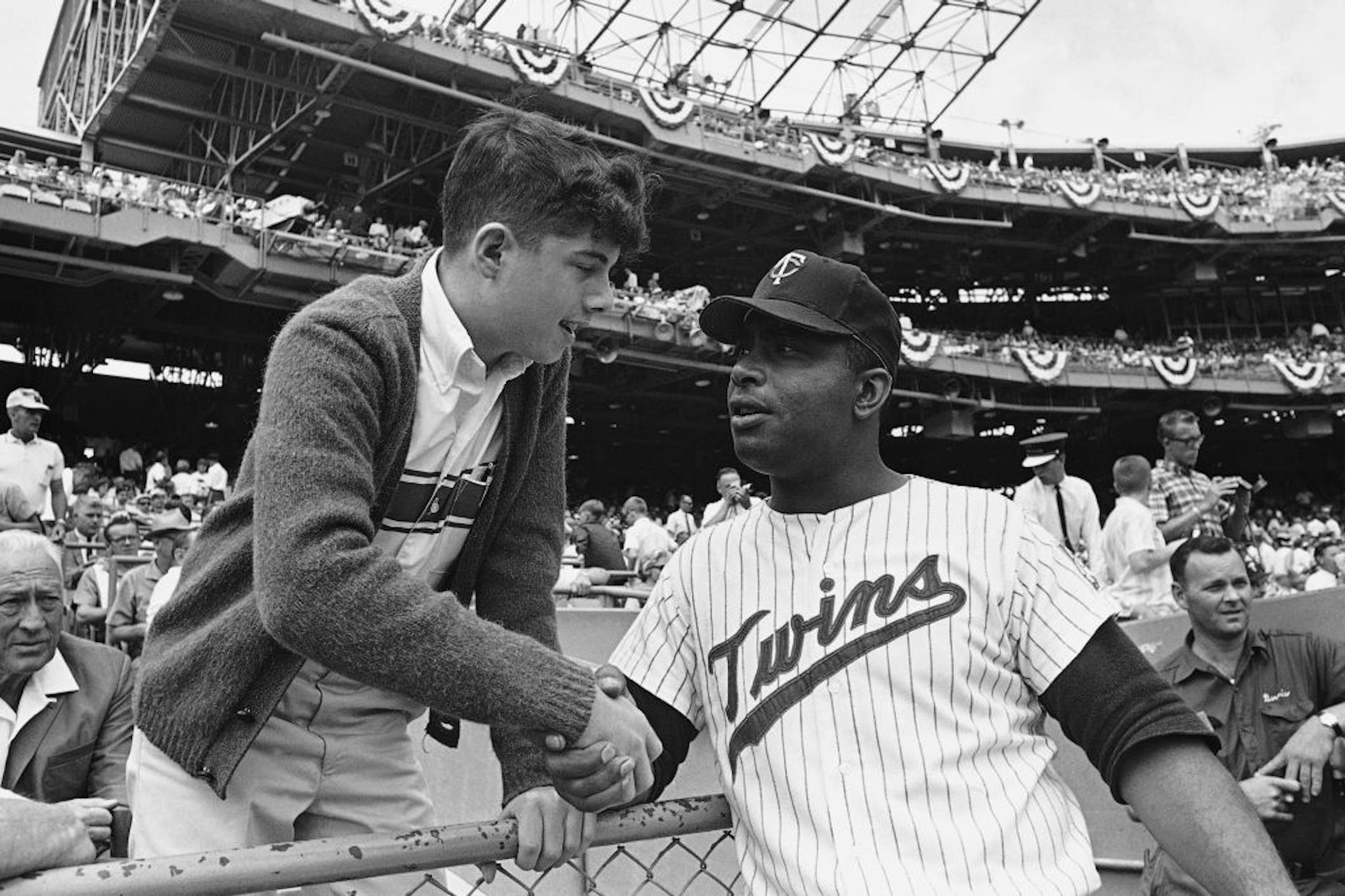
I think Bud was trying to make us feel good about that, but here is a guarantee: No matter the level of festivities, what takes place in Minneapolis in the summer of 2014 will never equal the game that was played on July 13, 1965, on the Bloomington prairie.
Minnesota's second All-Star Game came on July 16, 1985, in the Metrodome. It was a yawner worthy of the plastic baseball surroundings -- a 6-1 victory for the National League.
The only interesting aspect was Houston's Nolan Ryan coming on in relief and throwing fastballs toward the heads of both Rickey Henderson and Dave Winfield. Allegedly, these bullets were fired due to Ryan's belief that he failed to repay properly grievances with Rickey and Winny before departing for the National League.
Selig was slightly off on his time schedule for the '85 game, since the Metrodome was occupied on the Monday afternoon before the Tuesday night game. The Monday attraction was batting practice for both teams, followed by the first official version of the All-Star Game's Home Run Derby.
This was a five-on-five team competition, with Tom Brunansky -- the Twins' lone representative -- striking the decisive blow to give the American League a 17-16 margin in home runs.
Considering the Twins' current predicament, the odds are strong that 2014 will be another summer when the host team for the All-Star Game will have a lone mandatory player on the AL roster.
That was not the case in 1965. The Twins had first baseman Harmon Killebrew and catcher Earl Battey as starters, and shortstop Zoilo Versalles, outfielders Jimmie Hall and Tony Oliva and pitcher Mudcat Grant on the 25-player squad.


