Restaurants are reeling; here’s how diners can help right now

Owners across Minnesota describe staffing shortages, closures and fear — and tell us what actually makes a difference.

Columnist Icon
The Minnesota Star Tribune
January 21, 2026 at 9:00PM
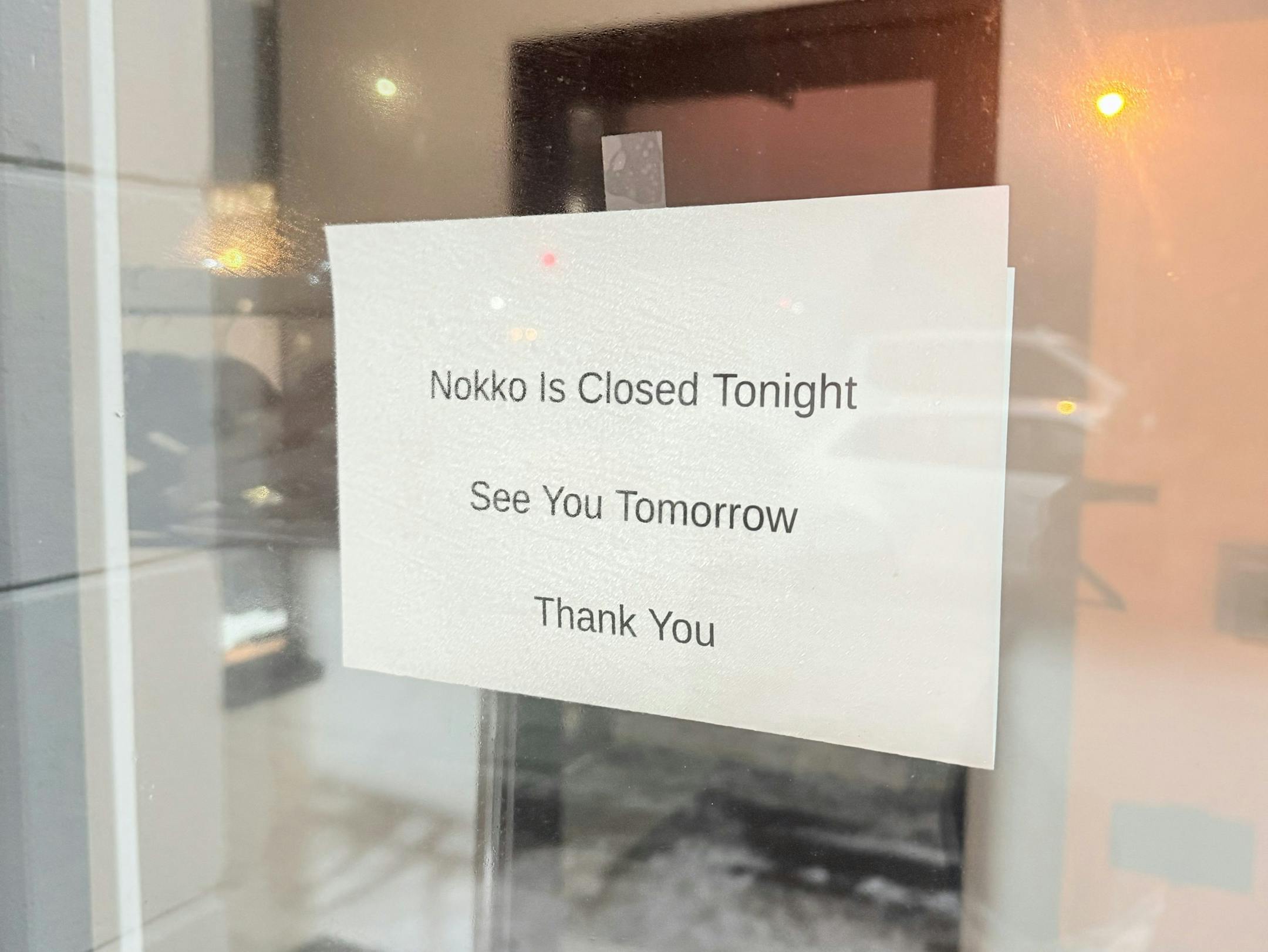
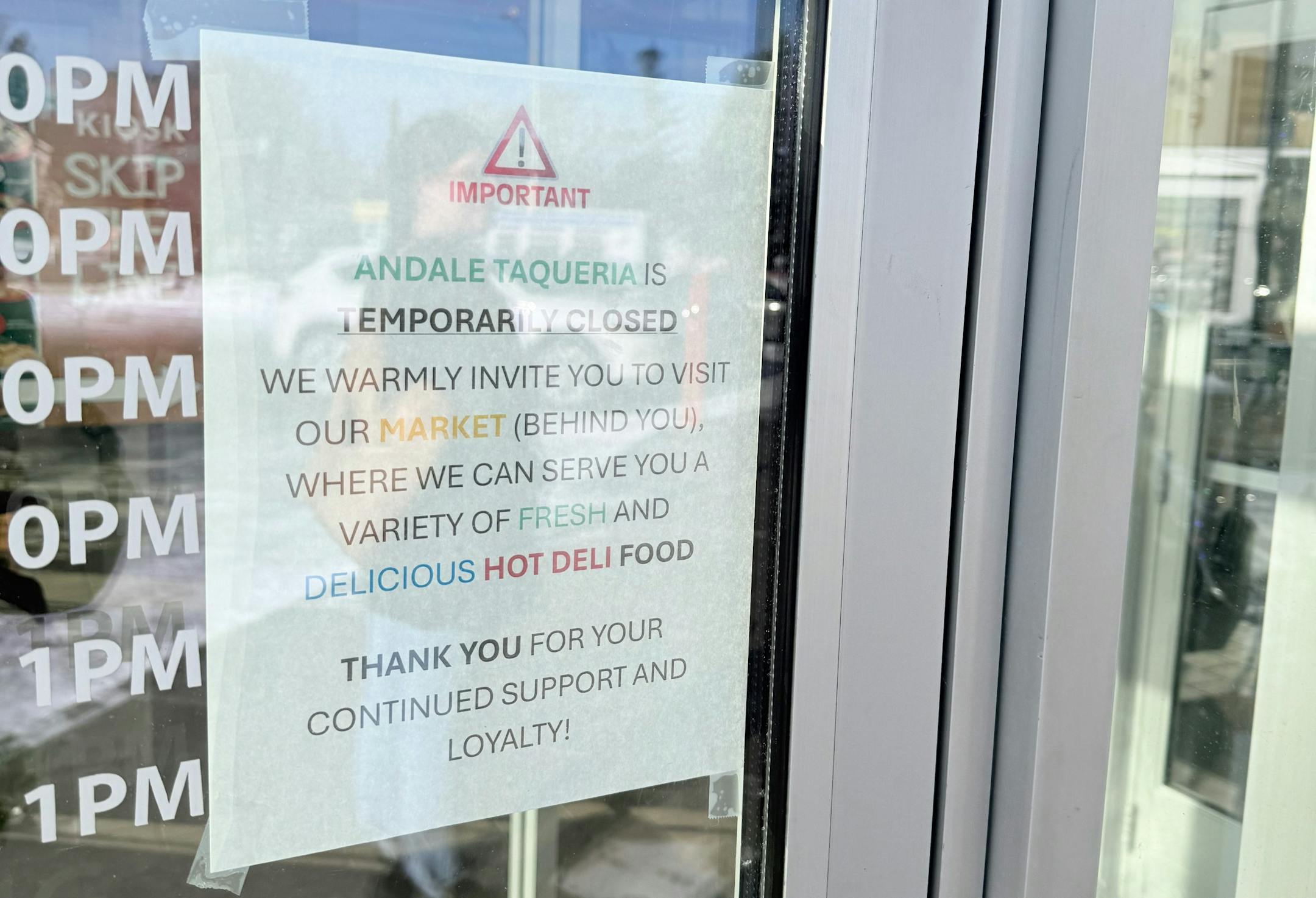
Closing signs are appearing on doors of restaurants across the metro. (Raphael Brion/The Minnesota Star Tribune)

For many Minnesotans, restaurants are a bright spot — places of routine, connection and care amid a broader uncertainty. That sense of normalcy is now under strain as the effects of the federal ICE surge ripple through businesses statewide, hitting the restaurant industry especially hard.

As restaurants step up for the community by running food drives, hosting fundraisers and donating profits, behind the scenes many are struggling to stay afloat. The atmosphere feels eerily similar to the early days of the pandemic: unpredictable, chaotic and financially perilous.

Several recent dining attempts have revealed a growing number of temporarily closed restaurants. Mercados and Hmong marketplaces are nearly empty; most of the Somali-owned shops in Karmel Mall are dark; close to 80% of immigrant-owned businesses along key corridors in Minneapolis and St. Paul have temporarily closed in the past week.

Make no mistake: this is an extinction-level event. Restaurant profit margins are razor thin even in the best of times, and January is traditionally one of the slowest months. Add harsh winter weather, widespread economic anxiety that’s keeping diners at home, and fear among both workers and the dining public around ICE activity, and the result is a perfect storm — one that threatens the viability of restaurants across the state.

Many chefs and restaurant owners are reluctant to speak publicly, wanting to stay under the radar for fear of retaliation. Business has dropped sharply for those that are open, with waves of reservation cancellations compounding the strain.

This situation is not isolated to the Twin Cities or the suburbs. The impact of ICE on restaurants is being felt statewide. In Willmar, Minn., federal agents detained three workers from a family-owned Mexican restaurant hours after agents ate there — a chilling example of how suddenly livelihoods can be upended.

If the public doesn’t support restaurants now — and continue to do so in the months ahead — we risk losing our rich dining landscape, shaped over generations by immigrant communities and Indigenous foodways.
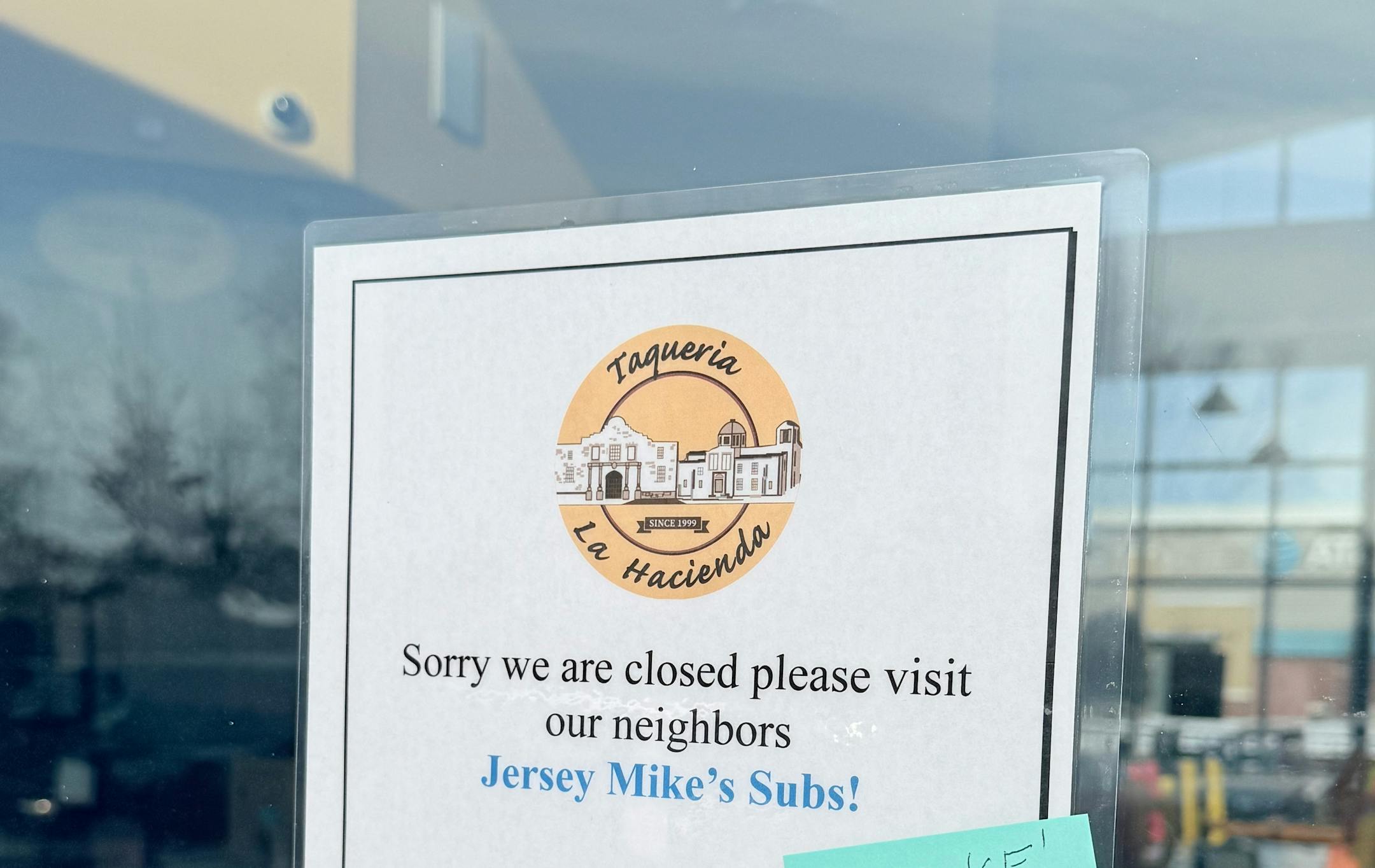
Taqueria La Hacienda had closed its Lake Street restaurant when we tried to visit this week. (Raphael Brion/The Minnesota Star Tribune)

Many readers have asked how they can help restaurants and their workers; here are some concrete ways to do it:

Go out and eat

One of the simplest ways to support restaurants is also the most obvious: go out and eat. Go back to the restaurants you love. And finally try the spots you’ve been meaning to visit. What matters most isn’t a single night out framed as solidarity, but steady, repeat business.

Many diners are understandably staying home out of caution, leaving dining rooms quieter and margins even thinner. For those who are going out, visiting restaurants has become a way to re-engage with their neighborhoods and step away, if only briefly, from the constant churn of bad news. A night out is the perfect antidote to doomscrolling.

Takeout and delivery can still make a difference, especially when orders are placed directly with the restaurant rather than through third-party apps, whose fees can take a meaningful cut.

Do what feels safe, but go.

Tip like it matters

With reduced staffing and unpredictable schedules, tips are more critical than ever for restaurant workers. So tip big. And better yet, tip in cash.

With staffing reduced and schedules increasingly unpredictable, tips have become a more significant source of income for many restaurant workers, like servers, bartenders and counter staff.

Tipping generously — on both dine-in meals and takeout orders — is one of the most direct ways customers can support workers right now. So is patience. Slower service is often the result of fewer people covering more ground, not a lack of care or effort.

Closing signs are appearing on doors of restaurants across the metro. (Raphael Brion/The Minnesota Star Tribune)

Be patient and kind

Restaurant hours can change without notice. Menus may be limited. Fewer staff can slow the service or the pace at which food comes out. Temporary closures can happen suddenly. These aren’t signs of mismanagement, they are survival tactics. Understanding the challenges behind the scenes, and meeting restaurants with patience and empathy, helps them stay open. Right now, a little grace and compassion goes a long way.

Use your voice

Posting positive reviews, social media shoutouts, and updates on hours or menu changes help restaurants reach customers who might otherwise hesitate to visit. Visibility matters. In times like these, simply letting others know a restaurant is open and ready to serve can translate directly into business.

Buy merch and gift cards

Merchandise and gift cards provide immediate revenue without labor costs. Even if you don’t plan to dine out right away, buying them now helps restaurants cover rent, payroll and utilities during an especially precarious period. For many businesses, this mirrors the challenges they faced during the pandemic: short-term support can have a long-term impact.

Make a long-term commitment

One busy day or weekend won’t resolve a long-term crisis. Restaurants need steady, consistent support over weeks and months, particularly as staffing stabilizes and communities regain a sense of normalcy. Many places remain closed, and it’s important to show up as doors reopen. Early traffic can determine whether a reopening lasts — or ends in a permanent closure.

The recent push to turn Taco Tuesday into a focal point is admirable and well-intentioned. But really, every day should be Taco Tuesday. Every day should be a reason to support the restaurants that are still here, still cooking, and still showing up.

Understand the economic strike

On Jan. 23, many restaurants are closing in solidarity with the “Day of Truth and Freedom,” a statewide pause in economic activity to protest ICE actions and their ripple effects. Others may remain open to support workers and stay afloat, while still others plan to donate proceeds to support affected workers and communities, balancing solidarity with practical survival. Respect each business’s choice, but if you do go out on Friday, know that you’re still supporting workers and local establishments in a moment of disruption and uncertainty.

Right now, support of any kind matters. In a crisis defined by fear and instability, it’s the small, consistent actions that can be the difference between which restaurants survive this moment and which quietly disappear.

about the writer

about the writer

Raphael Brion

Critic

Raphael Brion is the Minnesota Star Tribune's restaurant critic. He previously wrote about and led restaurant coverage for Food & Wine, Bonappetit.com and Eater National.

See Moreicon

More from Eat & Drink

See More
card image
Raphael Brion/The Minnesota Star Tribune

Owners across Minnesota describe staffing shortages, closures and fear — and tell us what actually makes a difference.

card image
card image