

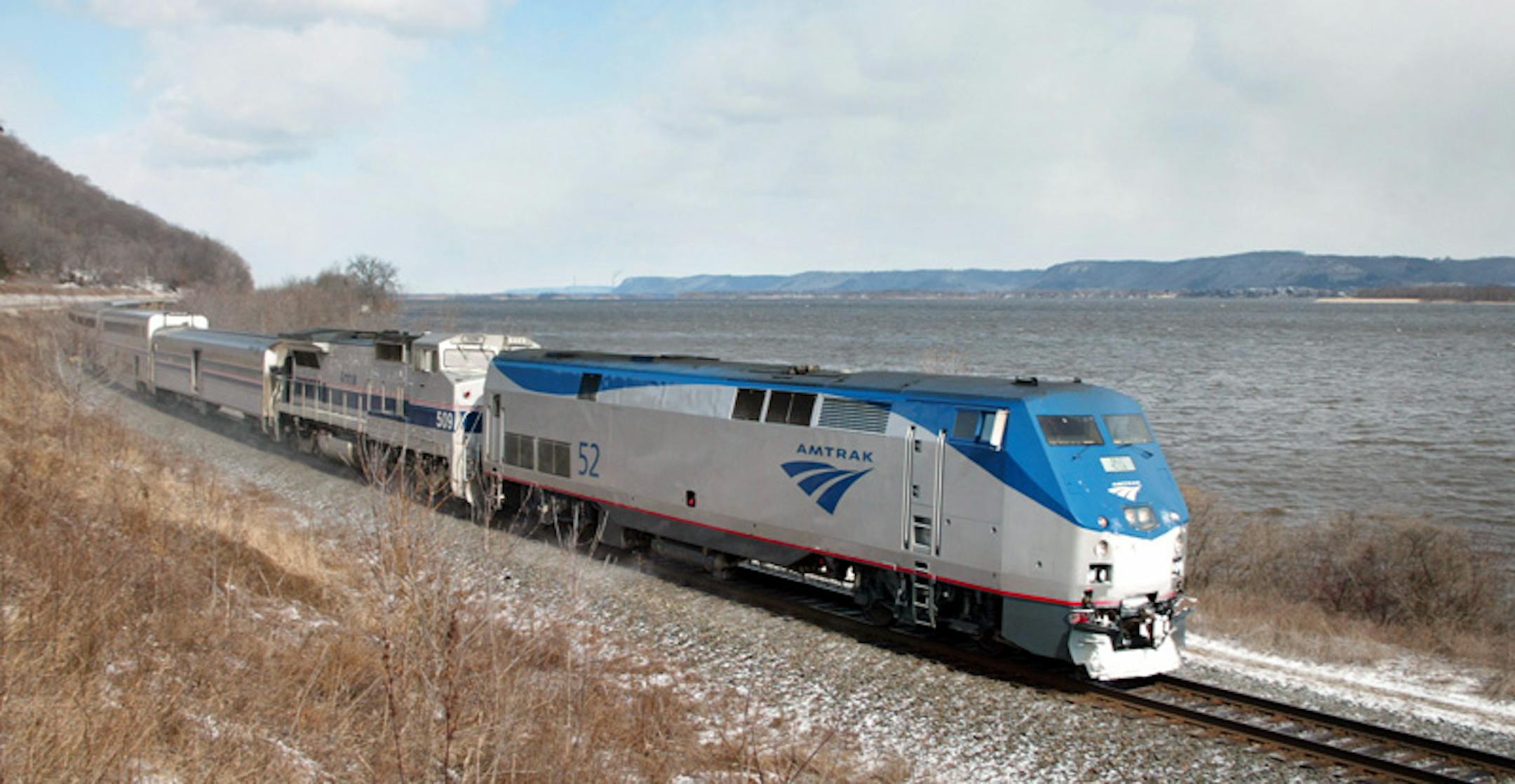
It is an election year, so Republicans are once again calling to privatize Amtrak.
Presidential candidate Mitt Romney and his party say they want private rail operators. The chairman of the House Committee on Transportation and Infrastructure, John Mica, who tried last year to push through privatization legislation, says he will hold hearings once a month on Amtrak.
If these plans sound familiar, it is because President George W. Bush tried to do the same thing. Yet Amtrak remains a ward of the federal government, and Republicans are largely to blame. If they are serious, they will learn from their earlier failure.
The effort under Bush fizzled after the ouster of Amtrak President David Gunn, a hardened transit executive with a reputation for cost-cutting and efficiency.
Gunn and the Bush administration would have seemed like a good fit. A self-described economic conservative, he made a name for himself in Philadelphia fighting regional rail unions during a 1983 strike that shut down commuter-train service for months.
Early in his tenure as president of Amtrak two decades later, Gunn says he approached the Transportation Department with a request to address problems with Amtrak's labor agreement.
He was bothered by contracts that reinforced what are known as craft union restrictions, among other union work rules, the same issues he took on two decades earlier.
"In the maintenance shops at Amtrak," Gunn explained in a recent interview, "you've got a variety of crafts. Electricians, machinists, sheet-metal workers, carmen." But because of work rules written into contracts and union divisions, they are not allowed to do one another's jobs, even when they are perfectly able.


