

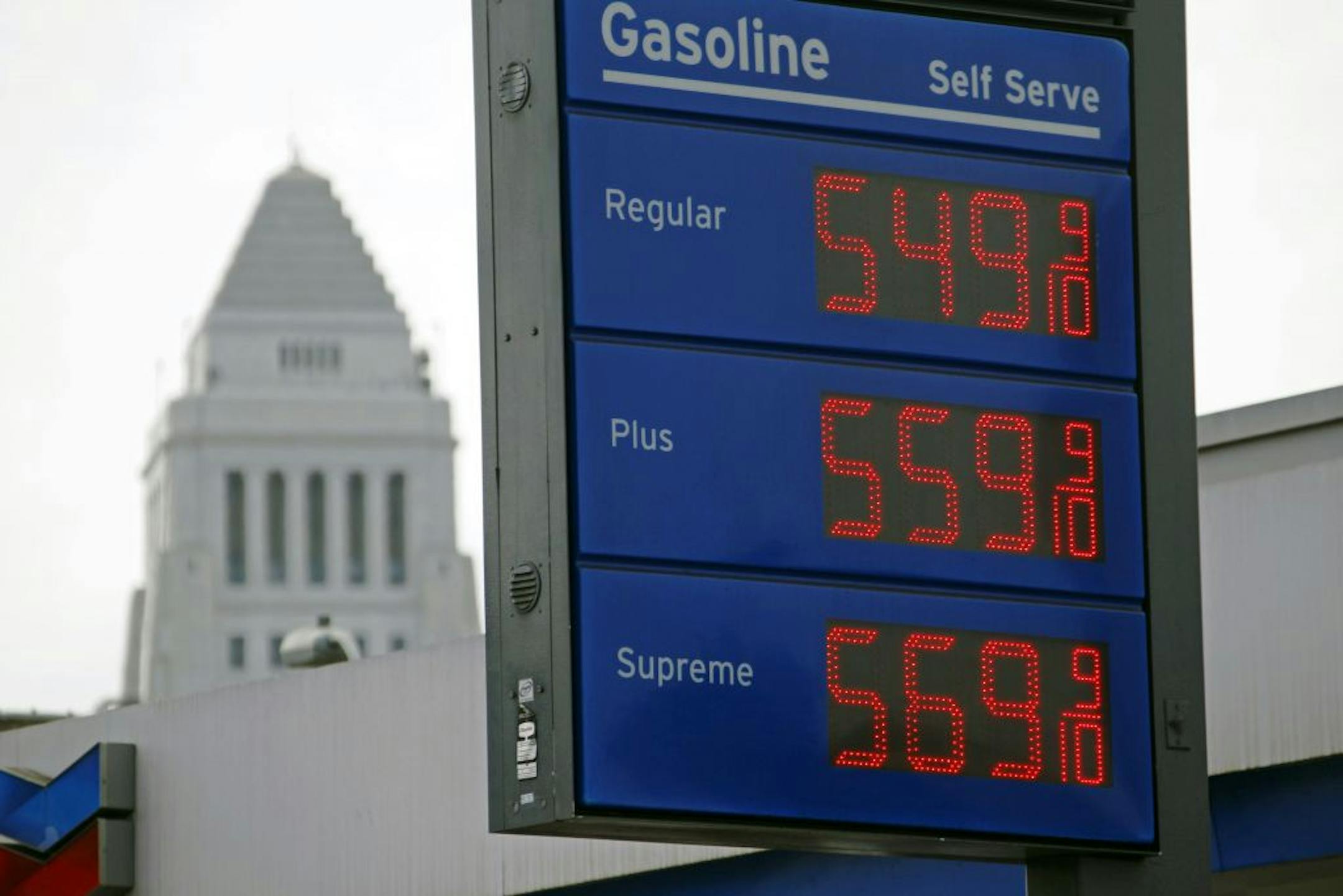
WASHINGTON - West Coast gasoline price spikes in May and October were widely blamed on refinery outages, but new research to be released at a California hearing Thursday shows that refiners continued to produce gasoline in periods when the public was told the contrary.
The information comes from Oregon-based McCullough Research, which combed through thousands of pages of environmental documents to conclude that refineries were in fact operating during supposed outages and maintenance shutdowns.
Specifically, the report alleges that in May, at a time when Royal Dutch Shell's Martinez, Calif., plant was reported to be down for maintenance for two weeks, it appears to have been making gasoline for at least half that time. That conclusion is reached from state environmental documents showing nitrogen oxide emissions had returned to normal at the refinery a full week before it was reported to have come back on line.
The research also concludes that gasoline inventories actually were building in May during a time in which West Coast motorists paid at least 50 cents more per gallon than the national average. This inventory building, evident in data from the California Energy Commission, happened even as four refiners were supposedly down for some portion of May.
At the time, media reports, citing analysts and industry officials, blamed the price hikes on outages and maintenance shutdowns.
"This is an environment where market power, defined as the ability of a few producers to set prices outside of market forces, is likely to exist," Robert McCullough said in a report that he will formally present Thursday during a hearing in Sacramento on California's refineries.
Though California is the focus, the conclusions carry national implications, especially because they highlight how little real information on pricing is publicly available, or even available to regulators.
"It certainly does not prove collusion among the principal suppliers, since specific data by refineries is difficult to procure," McCullough's report said.


