

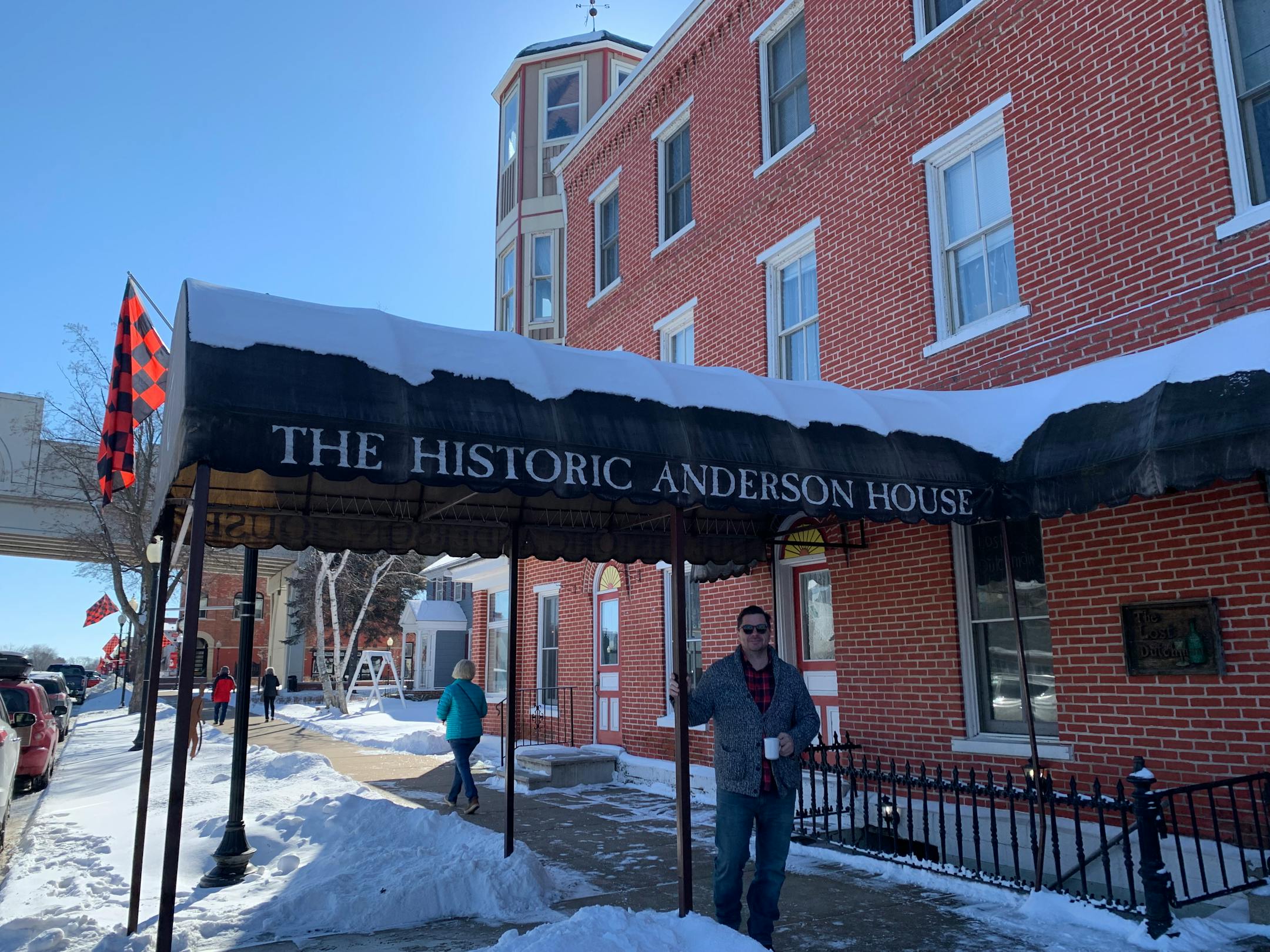
There's a glut of empty hotel rooms across the state, but Grant Carlson is betting that technology and a growing penchant for close-to-home getaways will help revive a pair of historic boutique hotels he's acquired since the start of the COVID-19 pandemic.
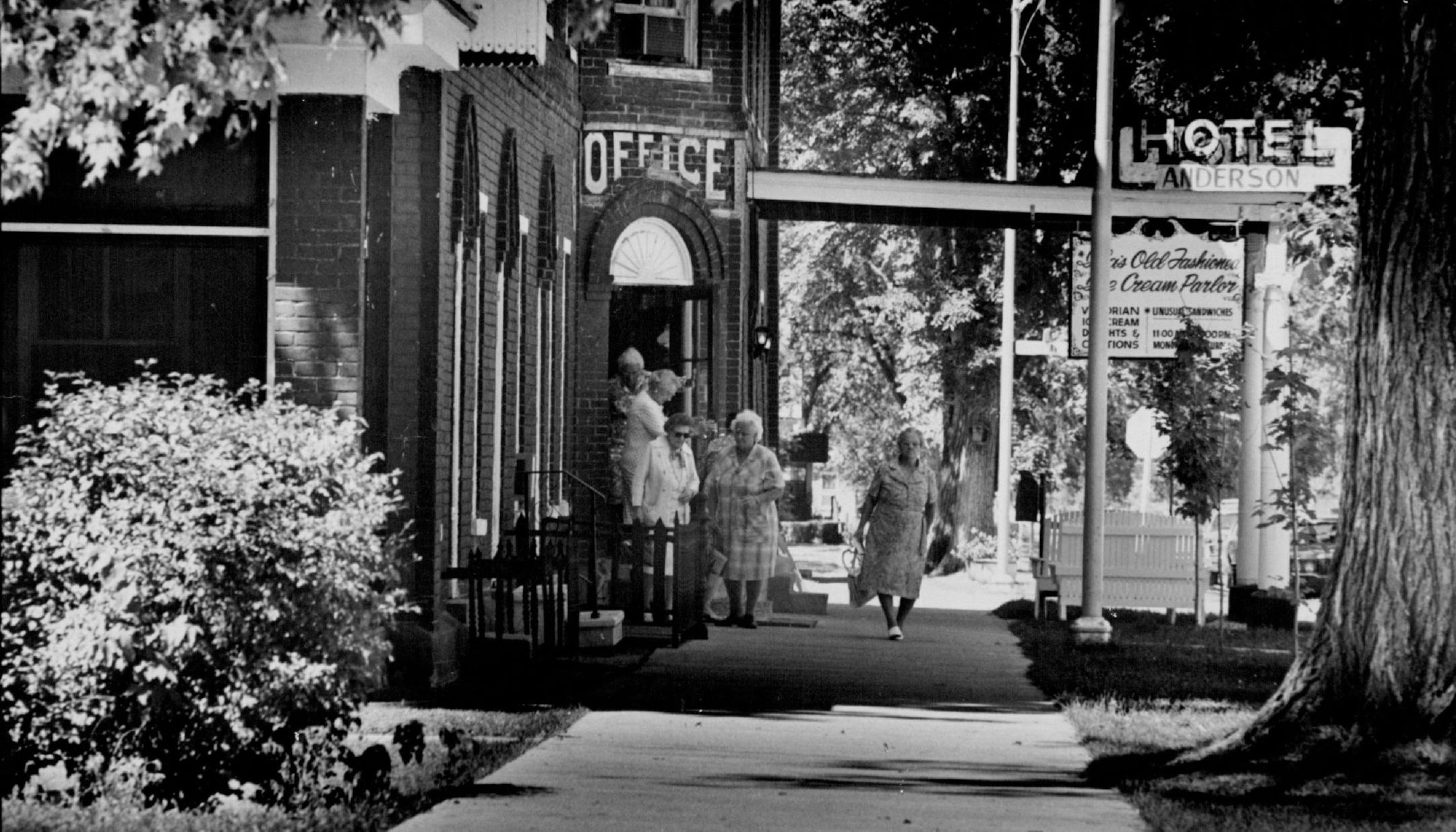
In early 2020, Carlson and a group of investors bought the Grant House Hotel in Rush City, about an hour north of the Twin Cities. A year later, they bought the Anderson House Hotel in Wabasha, which for many years touted an unusual amenity: A room filled with cats that could be lent to guests for the night. Both hotels are on the National Register of Historic Places.
"That market has exploded during the pandemic," Carlson said. "I'm a big proponent of reusing historic buildings and recycling them and bringing them into their next chapter of life."
Small, old hotels in small towns are notoriously challenging. They need upkeep that can be expensive and confront demand fluctuations that are more extreme than in urban markets.
Carlson is betting he'll succeed by running them like short-term vacation rentals, like those on AirBnb and VRBO.
Most short-term rentals are operated by people looking to make a little extra money by renting out a spare room or a vacation property when they're not using it. But a growing number of those listings on those sites are being posted by more traditional hotel operators.
AirDNA, a market research firm focused on short-term rental companies, said that since 2019 there has been a more than 75% increase in the number of hotel rooms listed on Airbnb in the United States.
And a growing number of those short-term rental platforms have now added a filter that lets travelers search specifically for hotels. Airbnb — the largest such site — started doing that in 2019. The move came after a huge jump in listings by hotels in 2018, said Sam Randall, a spokesman for Airbnb.


