Incorporating storage technology into our energy initiatives is a game changer for renewable energy, positioning it as a cost-effective, reliable and sustainable solution to the world's energy needs.
Big change is on the horizon, led by batteries. We use them to operate our cellphones, computers, television remotes and kids' toys. Now it's time to think bigger. Imagine batteries that provide power for our entire homes, our businesses and stabilize our country's overall energy infrastructure.
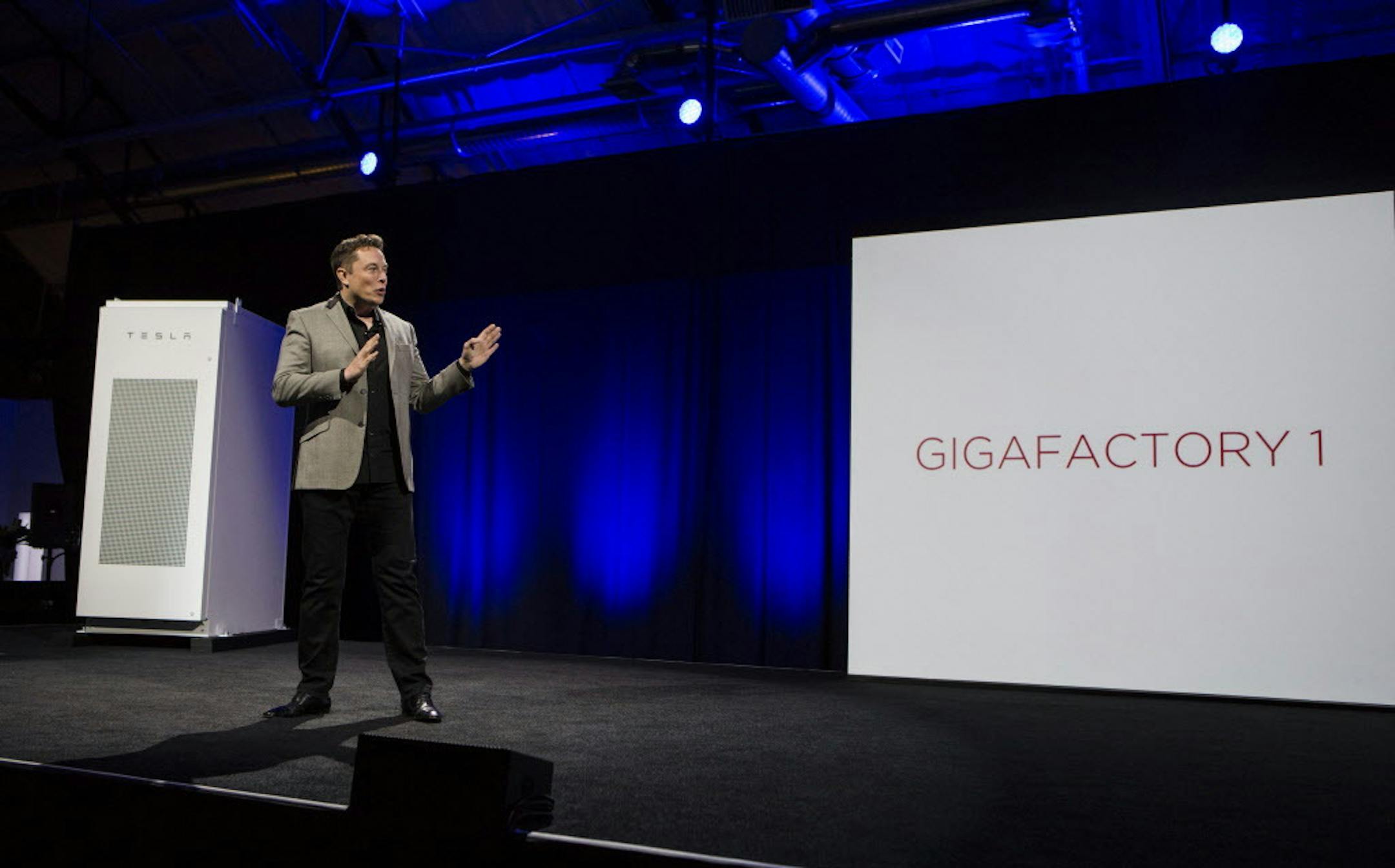
It's already happening. Tesla Motors is building a Gigafactory in Nevada to mass-produce batteries that are cheaper and more efficient — not only for use in its electric vehicles, but for residential and commercial use as well. Boston-Power is building a rival factory in China to support the growing battery market there. AES Energy Storage is another major player focused on utility-scale battery storage, now expanding project development in the U.S. and Europe.
Energy storage is predicted to become a multibillion-dollar global market over the next five years and investors are pouring a lot of money into this segment, in big-name companies and start-ups alike.
The energy storage market is directly related to the rapid growth of the renewable energy sector, especially in wind and solar. Before the year 2000, the U.S. wind energy industry had less than 2,000 megawatts (MWs) of installed capacity and is now up to nearly 70,000 MWs cumulatively. That's enough electricity to power more than 18 million average homes annually. Solar PV had reached more than 18,000 MWs by the end of 2014, up 30 percent over 2013 with another 8,000 MWs forecast through this year. Most states now have a renewable portfolio standard, meaning that utilities must provide customers a set amount of generation from renewable sources. Minnesota is on track to meet its standard of 25 percent renewable energy by 2025 and Hawaii just passed legislation to increase its standard to 100 percent by 2045, a goal made possible by integrating storage capabilities.
Globally, there is now more renewable energy capacity being installed each year compared to new fossil fuel plants, and there is no sign of this transition slowing down. The renewable energy segment had $270 billion invested into it worldwide in 2014 alone, according to a recent report by the United Nations.
European countries like Germany, Denmark and Spain have been longtime leaders of renewable energy, which continues to thrive as a result of the feed-in tariff energy policies, exits from power sources like nuclear and fossil fuels, and widespread support of a cleaner energy strategy.
Asian countries like China, India and Japan have also been implementing renewable energy at a rapid pace to meet the demands of their growing middle class and reduce adverse environmental impacts.