

Opinion editor’s note: Strib Voices publishes a mix of guest commentaries online and in print each day. To contribute, click here.
•••
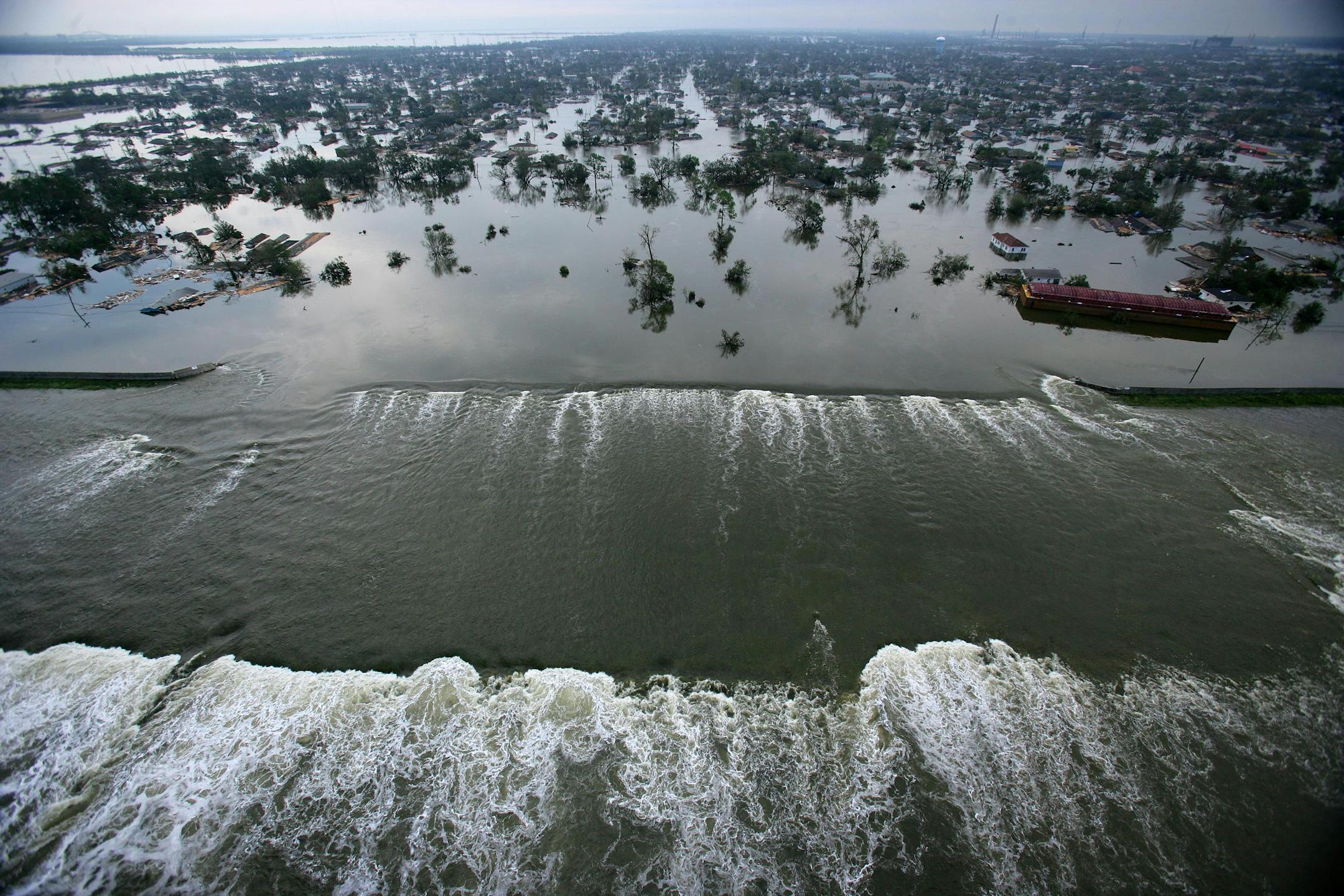
Twenty years ago this month, I was sitting in a Cracker Barrel in Arkansas with two friends, uncertain about whether Hurricane Katrina had destroyed my home in New Orleans. As we finished our meal, the waitresses gathered around our table with bags of groceries and told us they had bought them for us and that a guest sitting at a nearby table had paid for our meal after overhearing us talking about our situation. The memory of empathy and solidarity in a time of need remains vivid.
The past two decades have brought a lot of change in my life. The intervening years have brought marriage, two children, a tortoise, a bulldog, a career in the law and, more recently, also in lawmaking. On the occasion of the 20th anniversary of Hurricane Katrina, I’ve been thinking about what I’ve learned in the years since I first left New Orleans with my law school books and a single change of clothing.
I’m a member of the Minnesota House, and the loss of my leader and friend, Melissa Hortman, has weighed on me over the past months. Politics have become so divisive that we have trouble seeing through differences to our common humanity. I wonder how differently things would play out if Hurricane Katrina had hit ground in August 2025. Would businesses, universities and charities from across the country reach out with dramatic acts of kindness and camaraderie? In my case, professors at my adopted law school, William Mitchell (now Mitchell Hamline School of Law), asked if I needed a place to stay and a school administrator cried with me as he handled the paperwork to admit me. Such unhesitating empathy for a stranger seems rare these days, as we have divided into clans to determine who is worthy of our support.
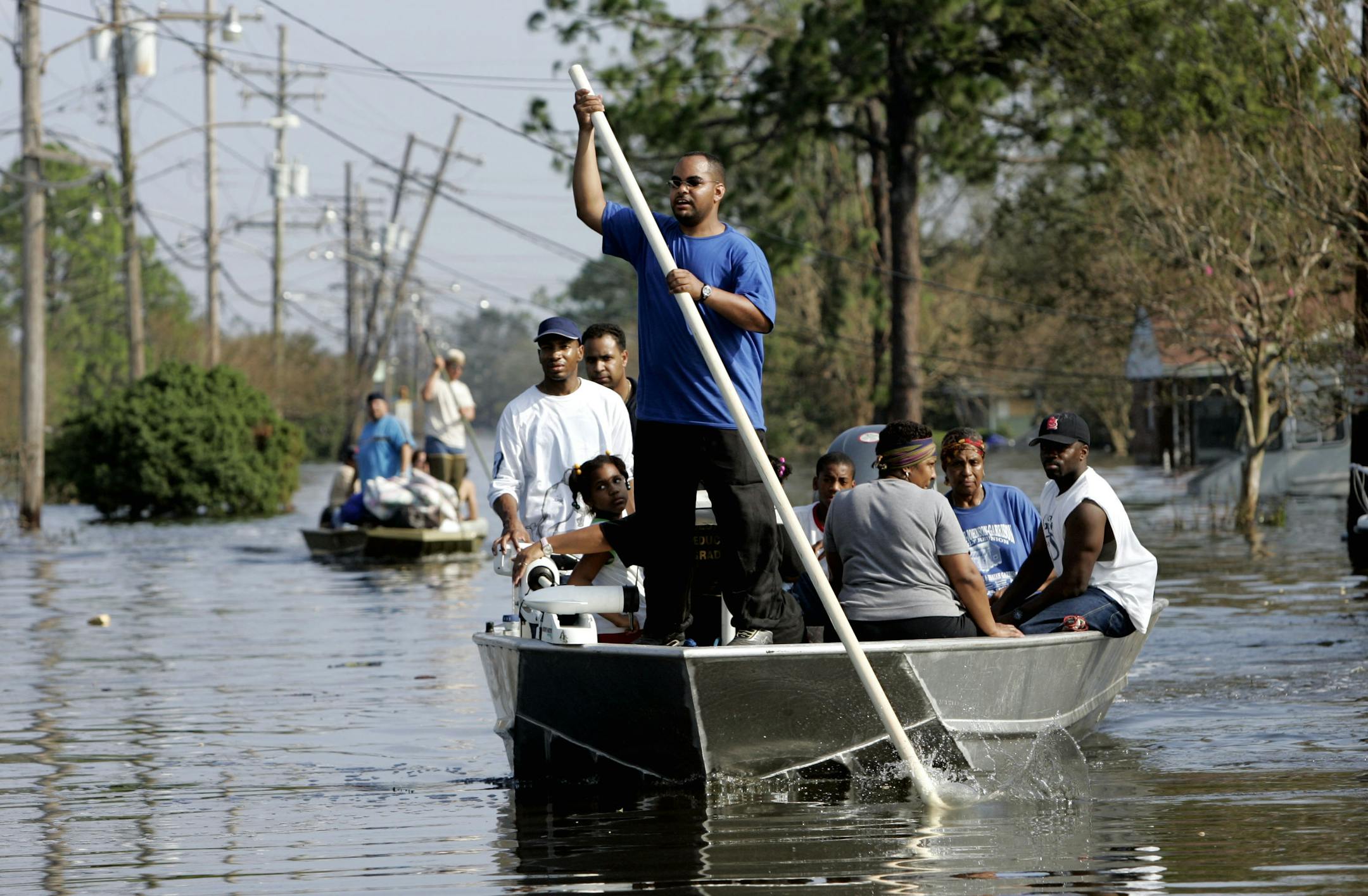
In 2005, I was a law student and a paralegal at an immigration law firm. I remember wandering through Target buying clothing while talking on my phone, answering clients’ questions as best I could. Meanwhile, immigrant laborers flowed into Louisiana to help rebuild New Orleans. By some counts, over half of the reconstruction workforce after Katrina was undocumented immigrants. Undoubtedly, if such a workforce were needed in an emergency today, fear of arrest (or actual arrest) would stop them from coming to our aid in a time of great need. Notably, displaced Louisianans who relocated permanently to Houston have made immense economic contributions to the city in the decades since. Both of these stories are good reminders that displaced people have much to offer their new communities.
At the time of my evacuation to Minnesota, I was intensely aware of my privilege. When asked by people “what shaped your political worldview?” I think on the impact of this moment of clarity around the cruel disparity between my experience and the experience of New Orleanian residents who spent the hurricane in the Superdome and whose houses were literally washed away. I knew with utter certainty that I had done nothing to deserve my good luck and committed to doing my part to help those less fortunate. In 2005, I would never have envisioned that I would one day have the power to secure funding for local food shelves, create new programs to invest in underserved youth or to recraft education funding formulas to ensure equal access to education. Hurricane Katrina has undoubtedly played a role in how I came to prioritize these efforts.
Katrina also gave me perspective on what truly matters in life. I spent a week not knowing if my belongings had been swept away. In the end, except water damage from a hole in the roof of my rental house, my books, clothes and mementos were fine. But by the time I drove down to retrieve them, I had moved on and many things remained in boxes for months (even years!) longer. At the end of the day, the relationships we build, the impact we make on our community and the adventures we experience are what make a meaningful life.


