China's leaders seem, in public, to be on a permanent charm offensive toward foreign businesses. Multinational bosses, in turn, tend to praise the Communist Party's long-term thinking. But in recent weeks, relations have become strained, leading some businessmen to express concern about government policies.
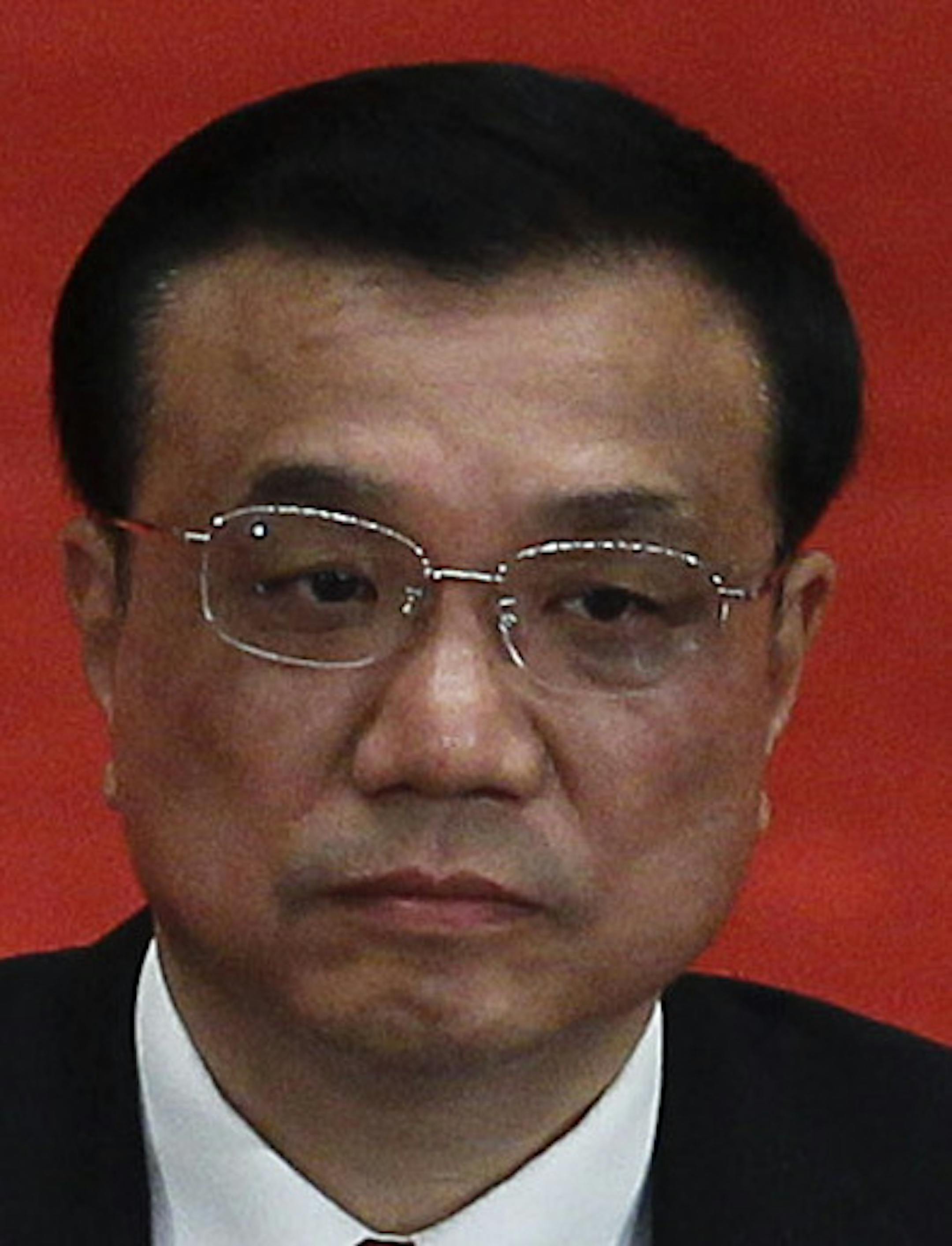
On Sept. 11, Prime Minister Li Keqiang welcomed ever-eager foreign investors to a forum in the northeastern city of Dalian, promising that his new government will press on with a broad range of market-friendly economic reforms. He said he would ensure that all businesses have equal access to markets and legal protection. "Reform and innovation provide an inexhaustible driving force," said Li, pointing to the pilot free-trade zone soon to be unveiled in Shanghai.
Jin Liqun, a former senior official, wrote in Global Times, an official mouthpiece, that "China is on the cusp of a new round of reforms [that] … could be compared to the decision to set up the Shenzhen Special Economic Zone in the 1980s." That is a tantalizing vision, as Deng Xiaoping's bold experiments with private enterprise in Shenzhen helped kick-start three decades of growth. Many expect a big reform push after an important party meeting in November, which is being compared to a seminal plenum, chaired by Deng, in 1978.
Away from official newspapers and the soothing speeches in Dalian, however, a less flattering picture emerges of the relations between government and business. A harsh and apparently arbitrary crackdown on corruption is underway. In recent weeks authorities have swooped on dozens of foreign companies in many industries, seizing documents and arresting businessmen.
The most visible case involved GlaxoSmithKline, a British drugs giant; local executives and foreign private investigators hired by the firm have been arrested. Some have been paraded on TV in prison jumpsuits. Violet Ho of Kroll, a risk consultancy, says more such cases are likely.
There is plenty of corruption to tackle in China, but the murky policies and heavy-handed tactics used in this latest offensive are troubling. Foreign firms are, says one adviser, "freaking out." No one knows who is next. Some suggest the campaign is a way to settle scores or to cripple specific foreign competitors.
It has led many foreign businessmen to question the leadership's commitment to economic reforms and to fear that law, far from being strengthened, is being abused. Multinationals would support an anti-corruption drive, says one Western lawyer, if it were transparent and if everyone received equal treatment.
The first prescription of a new paper released by the European Chamber of Commerce in China is to improve "regulatory implementation and enforcement." Others include greater market access for foreign firms and ending "indigenous innovation" policies that force the transfer of intellectual property to local champions.