WASHINGTON – The U.S. Department of Transportation on Wednesday announced steps to improve the safety of shipping crude oil by rail, but unlike in Canada, it is taking a voluntary approach to the phaseout of older tank cars long known to be vulnerable in derailments.
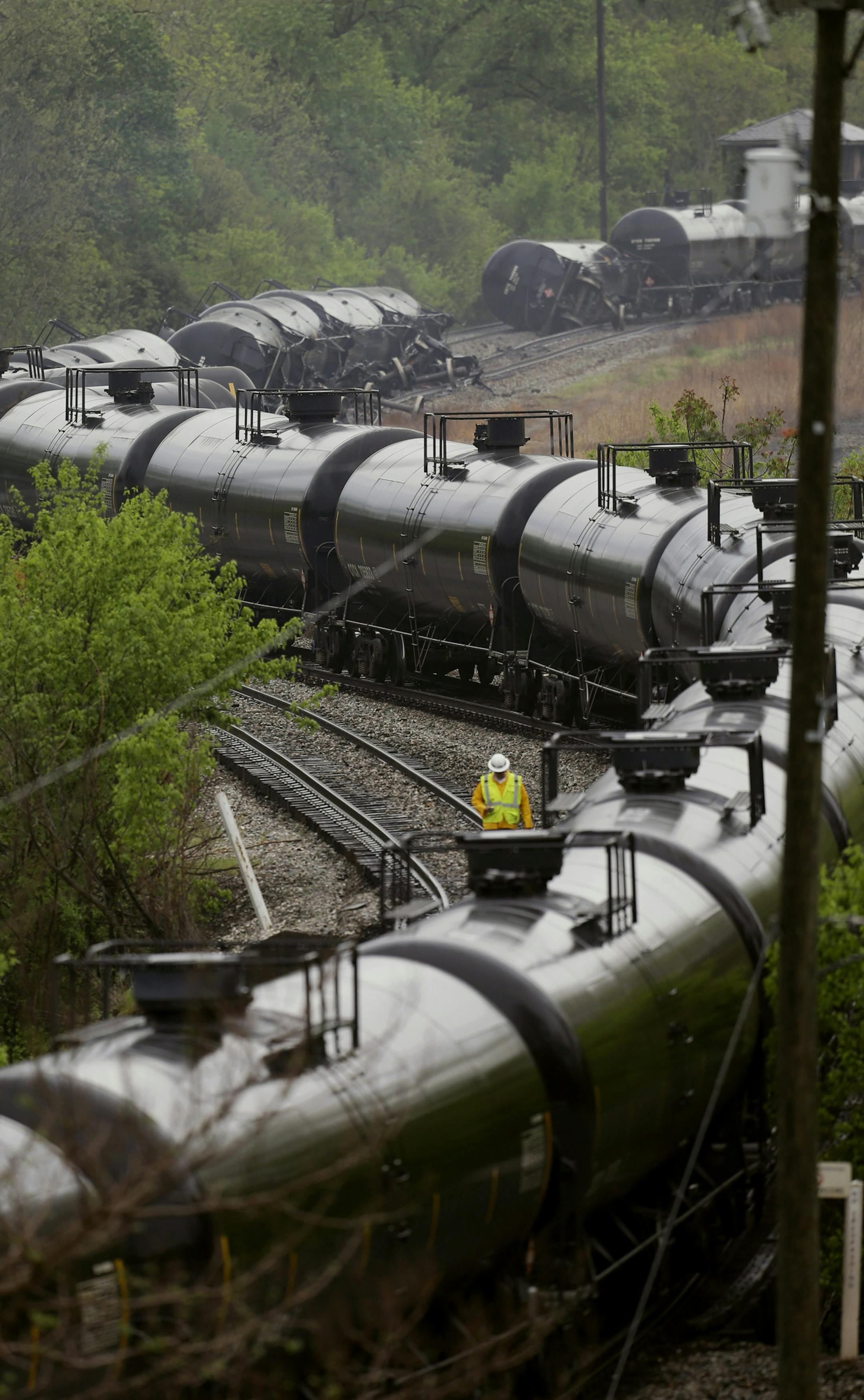
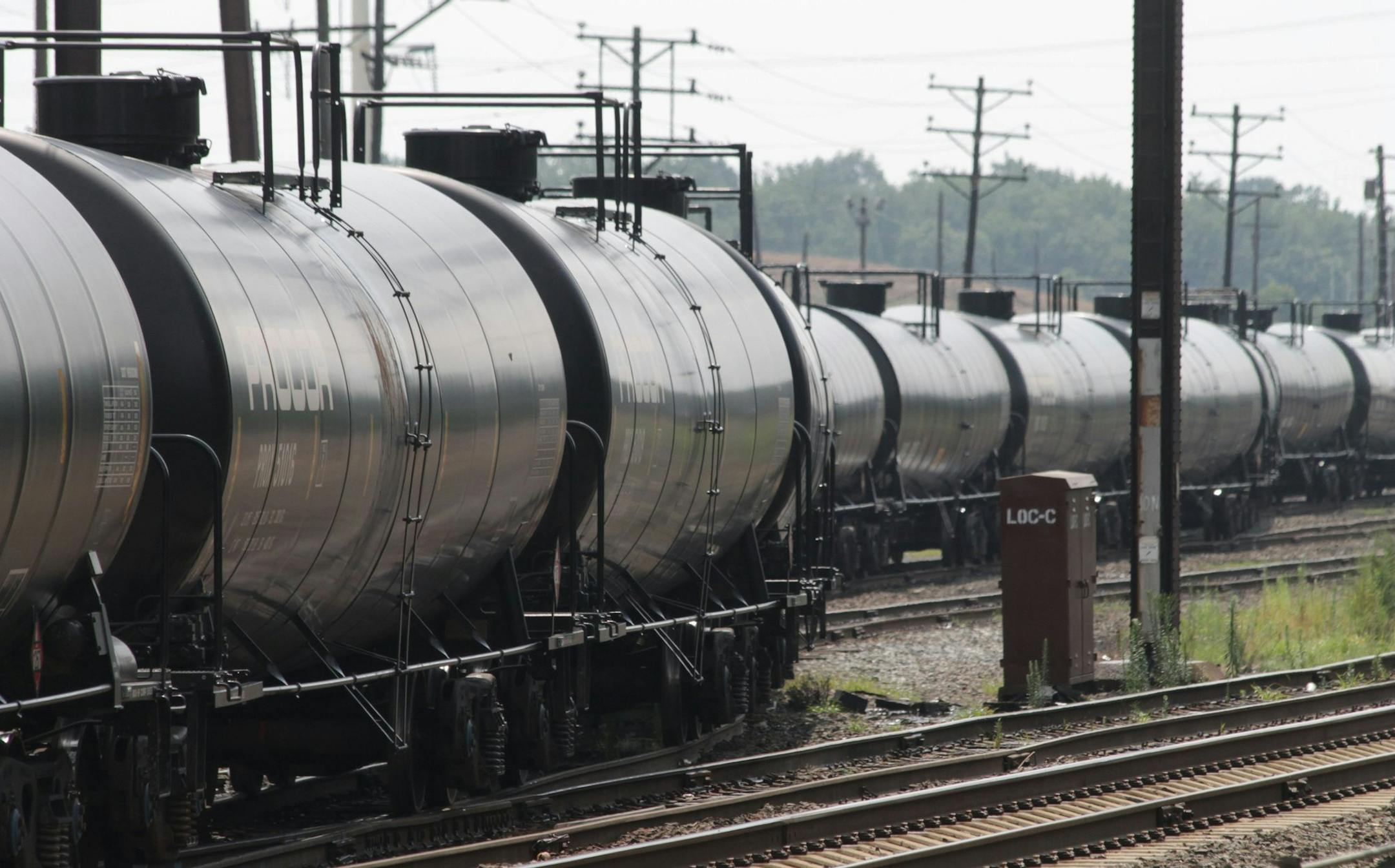
The department recommended that petroleum producers that ship by rail discontinue the use of older DOT-111 model tank cars. The National Transportation Safety Board has warned for years that the cars punctured easily in derailments, leading to spills and fires with flammable liquids.
The cars have performed poorly in the past several years in derailments involving ethanol, and more recently crude oil.
But like other efforts since the beginning of this year involving train speeds, track inspections and routing decisions, DOT's tank car recommendations are not mandatory. In contrast, Transport Canada two weeks ago required a three-year phaseout of older tank cars.
The department did match Canada's requirement that railroads disclose to state and county emergency management officials the routing, volume and frequency of crude oil shipments.
After a CSX train carrying crude oil derailed and caught fire in Lynchburg, Va., last Wednesday, the city's mayor said he wasn't aware that the shipments had been passing through his community every day since December.
Minnesota has become a major thoroughfare for North Dakota's crude-by-rail industry, with an estimated eight oil trains, each with about 100 tank cars, traveling through the state daily. About six trains carrying oil, and one carrying the similarly hazardous ethanol, pass through the Twin Cities each day, according to the state Transportation Department.
In response to that traffic, the Legislature is finalizing a measure to increase the number of state rail inspectors, boost funding for local emergency response equipment and training, and reduce the number of railroad grade crossings along oil train routes.