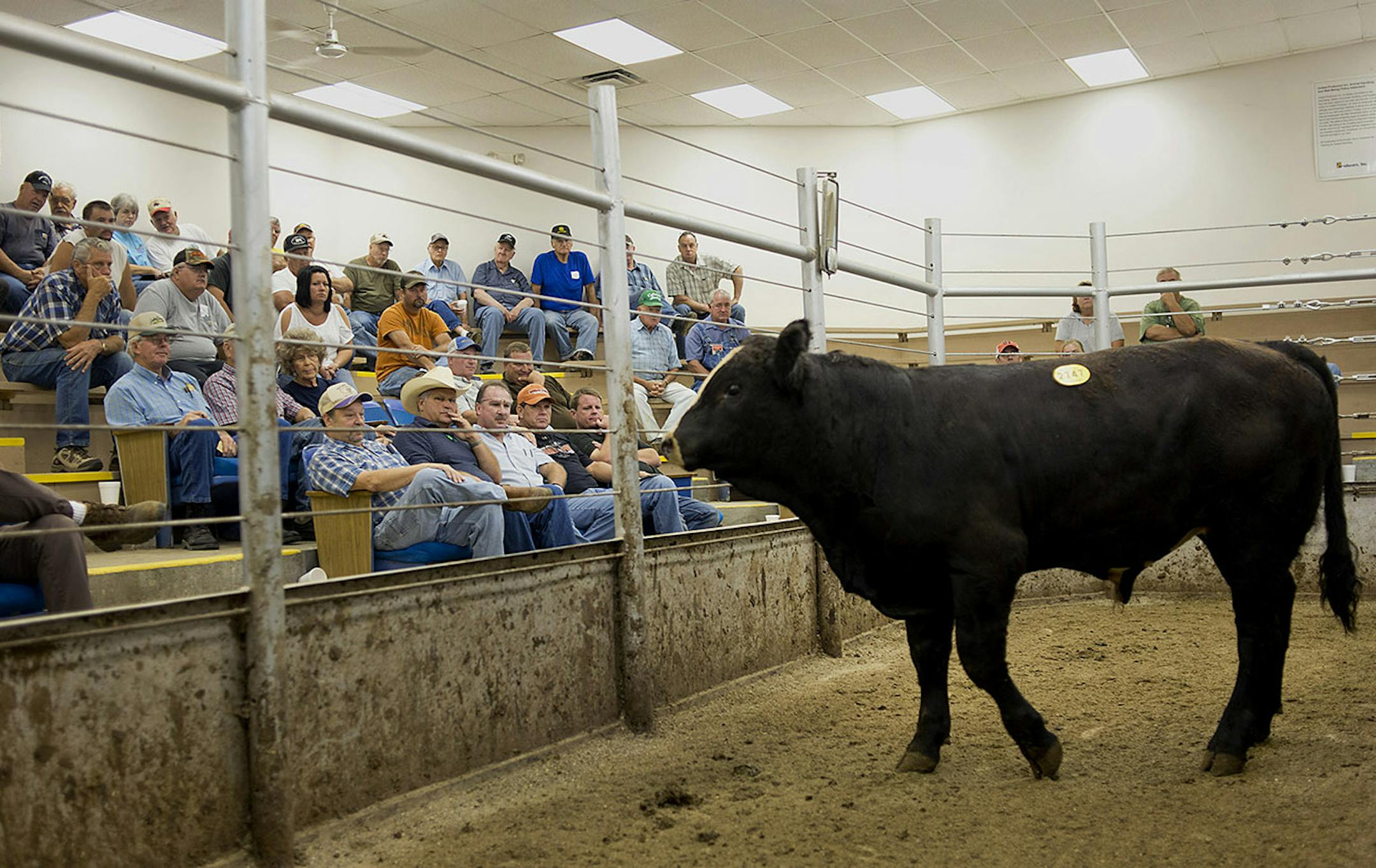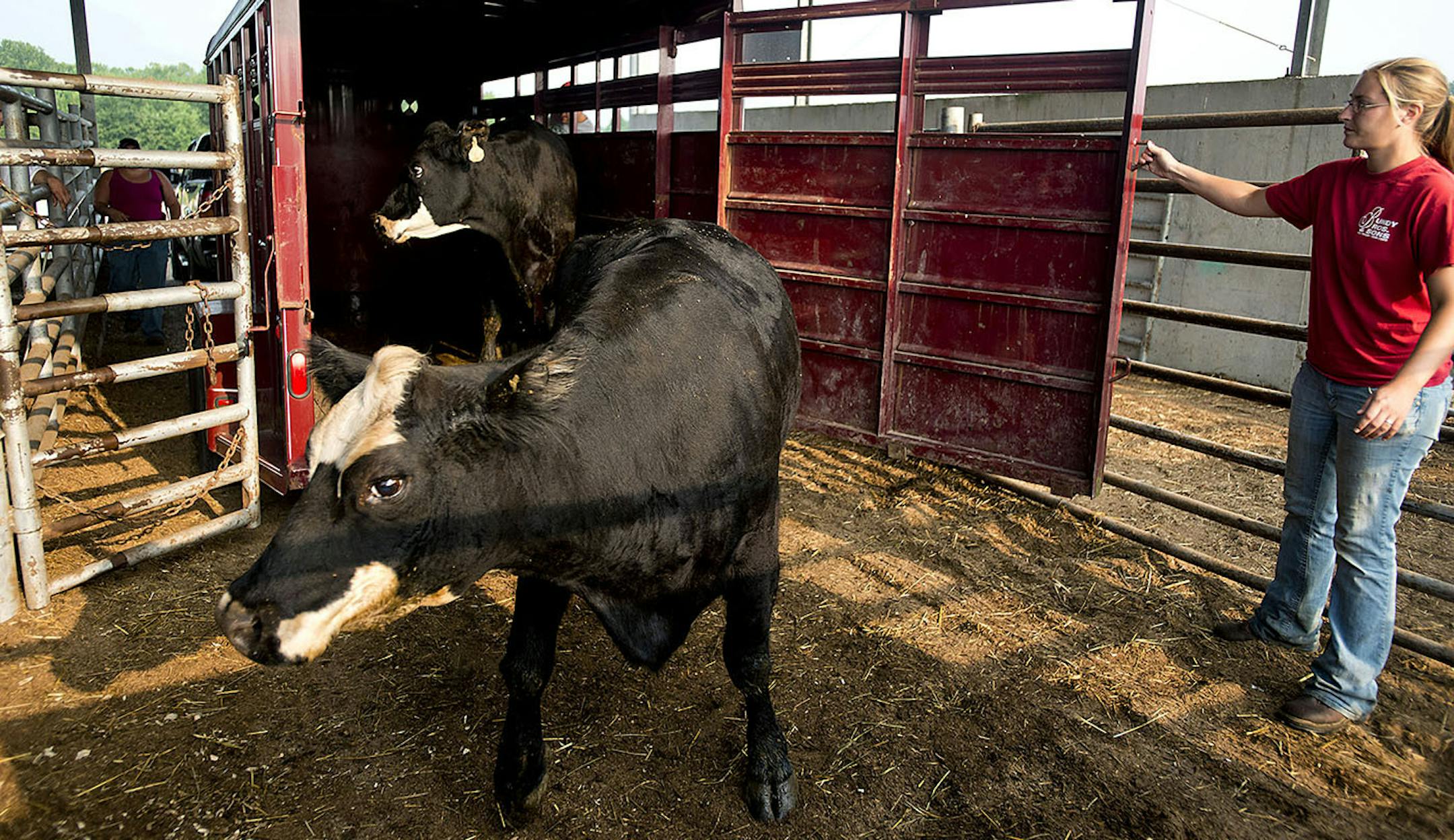
Signs of a rebound in U.S. beef supplies are taking shape with the changing color of the pastures on Glen Cope's 2,000-acre ranch in Aurora, Mo.
"It's so green and lush," Cope, 35, a fourth-generation calf breeder, said of the knee-high grasses that feed his cows about 55 miles from the Oklahoma border. "We've been getting plenty of rain. 2014 so far has let us consider expanding once again and make up for the numbers that we sold off."
Pasture conditions in the U.S., the world's largest beef producer, are mostly recovered from a 2012 drought that forced ranchers to shrink the domestic herd to a 63-year low. While it takes years to reverse a decline in animal supply, record-high beef prices and the increasing availability of cheap feed are providing incentives for some producers to begin expanding.
A production rebound would help slow beef-price gains that the U.S. government said will be the biggest of any food group this year except pork. Cattle futures that touched a record high in July already are showing signs of a shift, heading for their biggest monthly drop since before the peak of the drought. That signals lower costs for meat buyers including Ruth's Hospitality Group Inc. and Hormel Foods Corp., based in Austin, Minn.
"Record profitability and good pasture conditions may be the combination that pushes us over to really see some expansion in cattle inventory," said Scott Brown, an economist at University of Missouri in Columbia.
Forty-eight percent of pastures and rangeland were in good or excellent condition as of Sunday, the best for this time of year since 2010, the U.S. Department of Agriculture estimates.
Prospects for record U.S. harvests are also reducing feed costs for livestock producers. Cash corn prices will average $3.55 to $4.25 a bushel in the 12 months that start Sept. 1, down from as much as $4.50 a year earlier and the lowest since 2009, the USDA said. Sorghum, barley and oats also will decline.
While pastures are improving in much of the Midwest and the Great Plains, conditions are lagging behind in Texas, the biggest beef-cow producer. About a third of the state remains in severe drought, and 34 percent of its pastures were in good or excellent condition, trailing the national average.