

Young graduates are in debt, out of work and on their parents' couches. People in their 30s and 40s can't afford to buy homes or have children. Retirees are earning near-zero interest on their savings.
In the listless economy, every generation has a claim to having been most injured. But the Labor Department's latest jobs snapshot and other recent data reports present a strong case for crowning baby boomers as the greatest victims of the recession and its aftermath. Americans in their 50s and early 60s -- those near retirement age who do not yet have access to Medicare and Social Security -- have lost the most earnings power of any age group, with their household incomes 10 percent below what they made when the recovery began three years ago, said Sentier Research, a data analysis company.
Their retirement savings and home values fell sharply at the worst possible time: just before they needed to cash out. They are supporting both aged parents and unemployed young-adult children, earning them the nickname "Generation Squeeze."
New research suggests that they may die sooner, because their health, income security and mental well-being were battered at a crucial time in their lives. A study by economists at Wellesley College found that people who lost their jobs in the few years before becoming eligible for Social Security lost up to three years from their life expectancy, largely because they no longer had access to affordable health care.
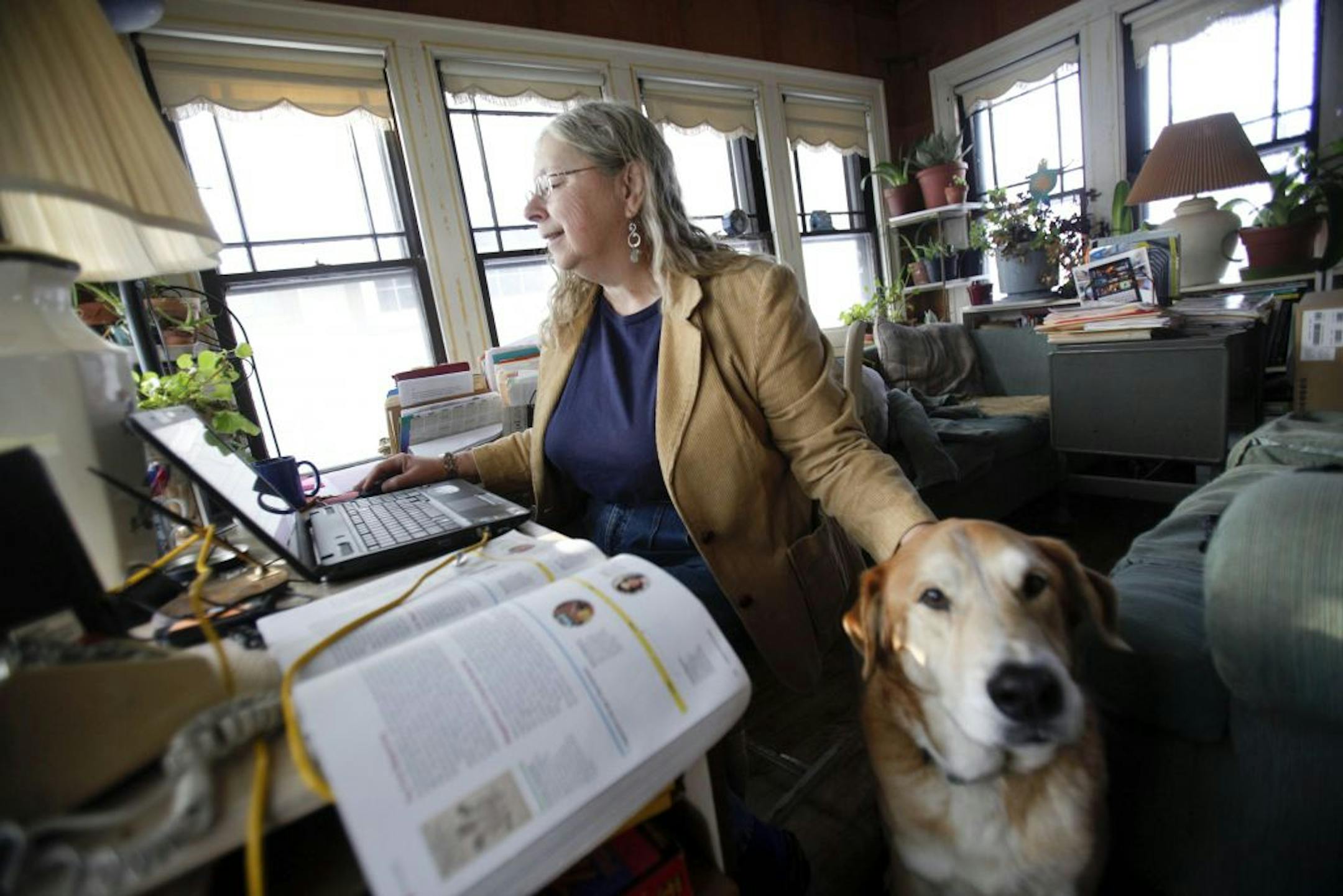
"If I break my wrist, I lose my house," said Susan Zimmerman, 62, a freelance writer in Cleveland. None of her three part-time jobs pay benefits, and she says she is counting the days until she becomes eligible for Medicare. In the meantime, she has fashioned her own remedies -- including eating blue cheese instead of taking penicillin and consuming plenty of orange juice, red wine, coffee and whatever else the latest longevity studies recommend -- to maintain her health, which she must do if she wants to continue paying the bills.
"I will probably be working until I'm 100," she said.
As common as that sentiment is, the job market has been especially unkind to older workers. Unemployment rates for Americans nearing retirement are far lower than those for young people, who have fewer skills and a shorter work history. But once out of a job, older workers have a much harder time finding another one. That's partly because older workers are more likely to have been laid off from industries that are downsizing, like manufacturing. Compared with the rest of the population, older people are also more likely to own their own homes and be less mobile than renters, who can move to new job markets.
Older workers are more likely to have a disability of some sort, perhaps limiting the range of jobs that offer realistic choices. They may also be less inclined, at least initially, to take jobs that pay far less than their old positions.



