
Recession not over yet for retailers, other small businesses

Small retailers have been particularly hobbled as consumers remain reluctant to spend freely.

May 3, 2015 at 7:00PM
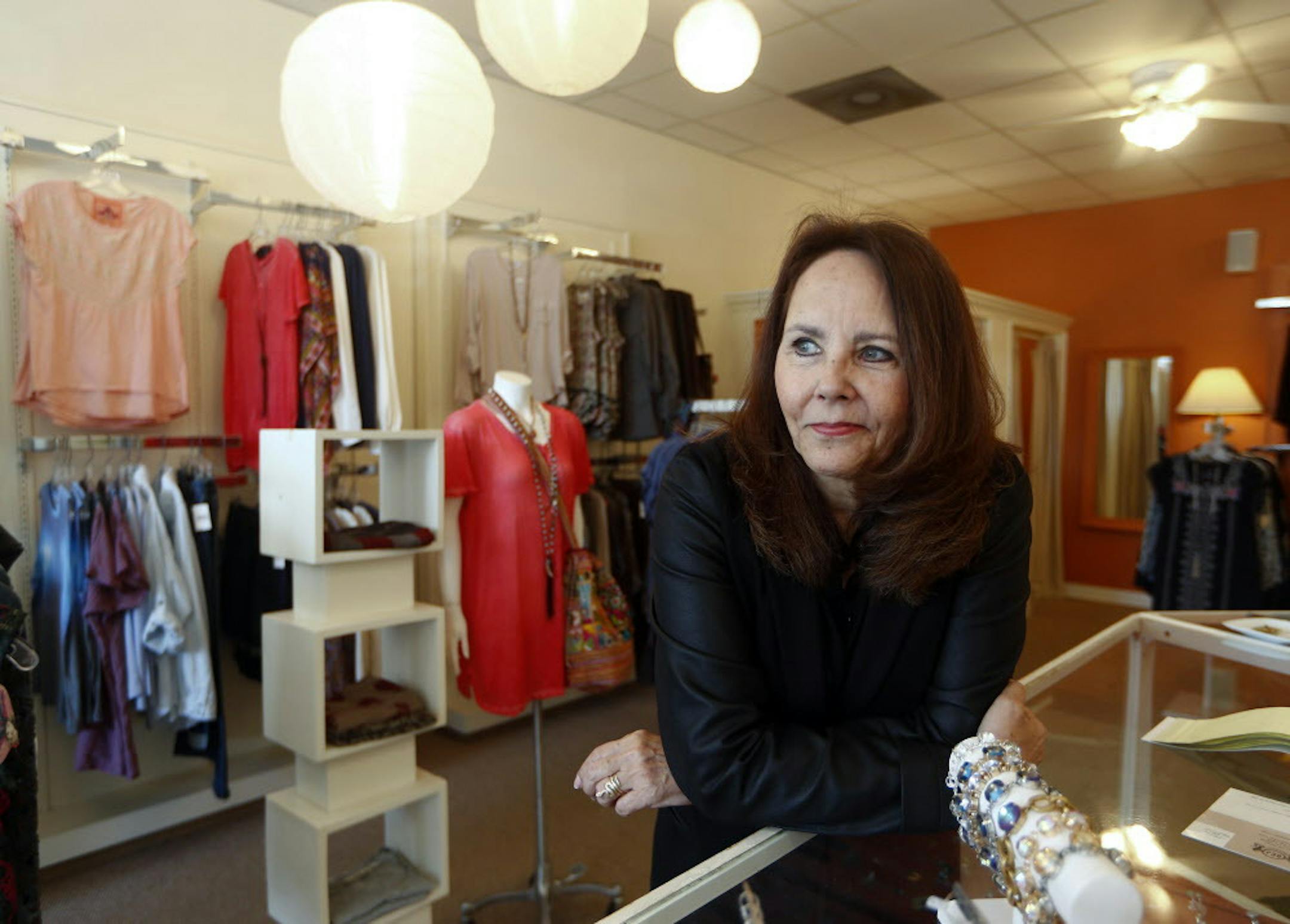
In this April 24, 2015 photo, Razzle Dazzle dress shop owner Carol Avendano poses at her store in the Buckhead section of Atlanta. Razzle Dazzle's revenue is down 65 percent from 2007. Avendano sees customers think carefully before spending. (AP Photo/John Bazemore)
Carol Avendano owns Razzle Dazzle dress shop in the Buckhead section of Atlanta. Her revenues are still down 65 percent from 2007. (The Minnesota Star Tribune)

The recession isn't a dim memory for many small businesses.

Nearly two-thirds of owners in a Bank of America survey said their companies are still recovering from the downturn that officially ended nearly six years ago. Only 21 percent of the owners surveyed in March said their businesses have fully recovered.

The numbers present a different side of small business than surveys that focus on companies' increasing optimism and healthy cash flow. The Bank of America findings are a reminder that the economic recovery is not only slow-paced but also fragmented, with companies whose customers are consumers and other small businesses lagging behind. Retailers and homebuilders are among those whose revenue is below the levels they enjoyed before the recession's December 2007 official beginning.

At Razzle Dazzle, a young women's clothing boutique in Atlanta, revenue is down 65 percent from 2007. Owner Carol Avendano says customers think carefully before spending.

"It used to be nothing for a mom to come in here and spend $1,000 on her eighth-grader and not even blink an eye," Avendano says. "Now, if a purse is $300, they have to think about it."

Younger shoppers are also less carefree about money. A young woman with $100 is more likely to go to chains like H & M or Forever 21 and buy 10 different items than pick up one shirt in Razzle Dazzle. Avendano, who opened her store in 1975, stays in business because she has loyal customers.

What's wrong?

Companies are still recovering for a number of reasons, some of them related to the industries they're in.

Retailers struggle because consumer spending remains weak, says Scott Anderson, chief economist with Bank of the West. And the housing industry, which includes many small businesses, is still in the early stages of recovery from the collapse that began in 2006. But small manufacturers are doing well and leading the recovery, Anderson says.
The struggles in retailing and homebuilding are reflected in overall small-business revenue, which hasn't recovered to pre-recession levels, says Susan Woodward, an economist who analyzes data gathered from Intuit's small-business customers. Revenue has also fallen every month since October, she says.

A homebuilding rebound will help consumer spending, economists say. If people buy more houses, industries related to construction will hire more workers who will be able to spend. And people buying houses tend to shop for appliances, furniture and home decor.

The difficulty many small companies have in getting loans has prolonged the recovery, says Karen Mills, a Harvard Business School faculty member and former head of the Small Business Administration. Banks are still reluctant to lend to many companies, especially the smallest ones.

What's the solution?

Owners need to re-examine every aspect of their companies to adapt to a business climate that has permanently changed, says Kathleen Allen, a professor of entrepreneurship at the University of Southern California's Marshall School of Business. That means asking whether a company is giving customers what they need — and whether they're targeting the right customers.

"We have to question even whether this business makes sense," Allen says.

John Reiner has used that strategy at his printing and packaging company. Revenue dropped 25 percent in 2009 and kept falling the next two years; it hasn't returned to pre-recession levels. Several of PakCom's best business customers shut down.

Another change: More companies prefer ordering online instead of dealing with a human. So Reiner has started a website called Logical Promotions to sell shirts, backpacks and other items companies and organizations can print logos on. The website opened for business in March, and he's optimistic it will bolster his PakCom revenue.

"The printing business will not return," Reiner says.

Joyce Rosenberg is a business reporter for the Associated Press.


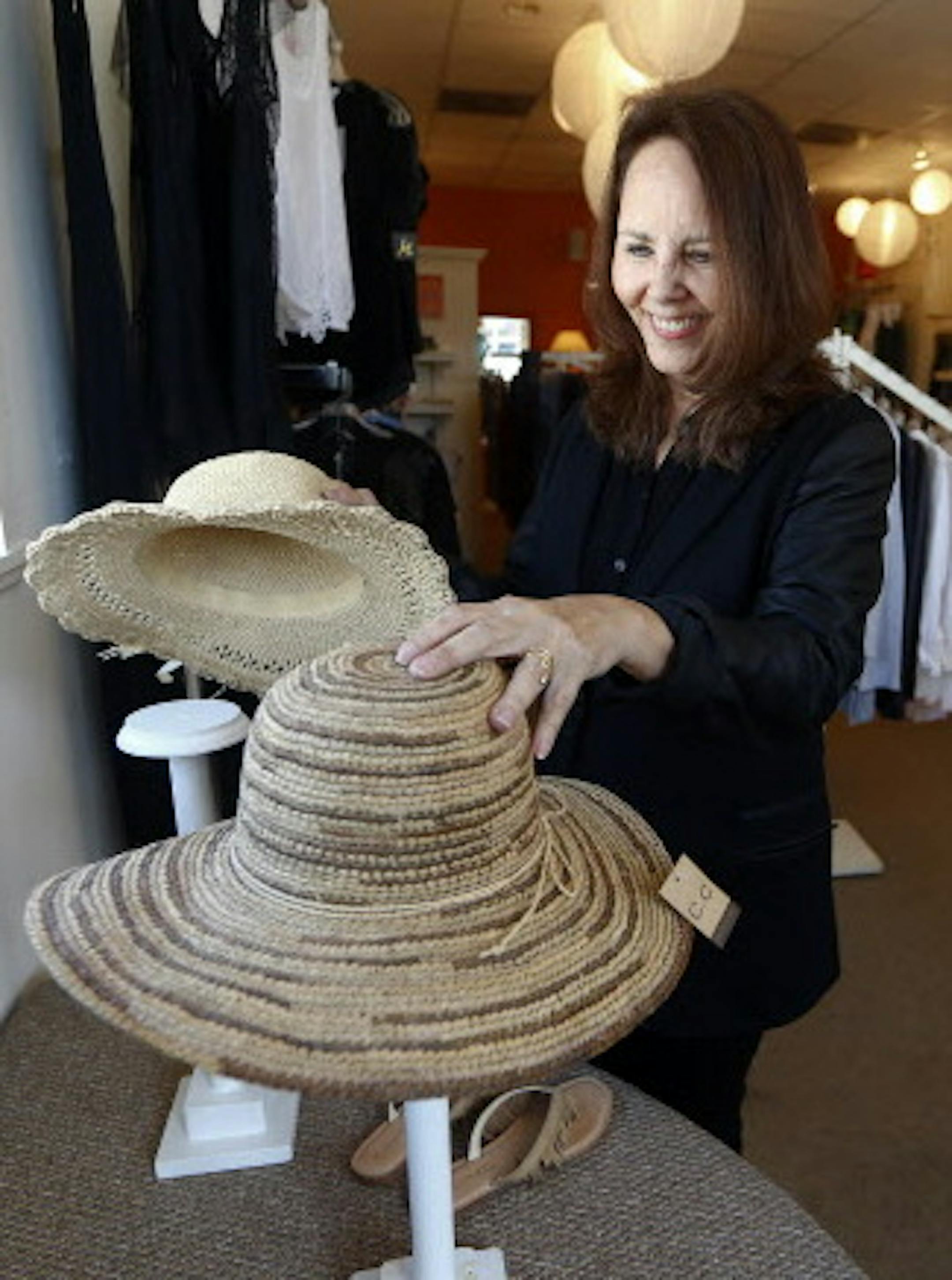
In this April 24, 2015 photo, Razzle Dazzle dress shop owner Carol Avendano arranges merchandise at her store in the Buckhead section of Atlanta. Razzle Dazzle's revenue is down 65 percent from 2007. Avendano sees customers think carefully before spending. (AP Photo/John Bazemore)
Avendano arranged merchandise at her store. She says customers still think more carefully before spending. (The Minnesota Star Tribune)
about the writer

about the writer

More from Business

See More
card image
Fairview Health Services

The school is changing an elective course while still working with the Eden Prairie-based health care giant after students raised concerns.

This transmission electron microscope image shows SARS-CoV-2, the virus that causes COVID-19, isolated from a patient in the U.S., emerging from the surface of cells cultured in the lab. (NIAID/TNS) ORG XMIT: 1659810
card image