

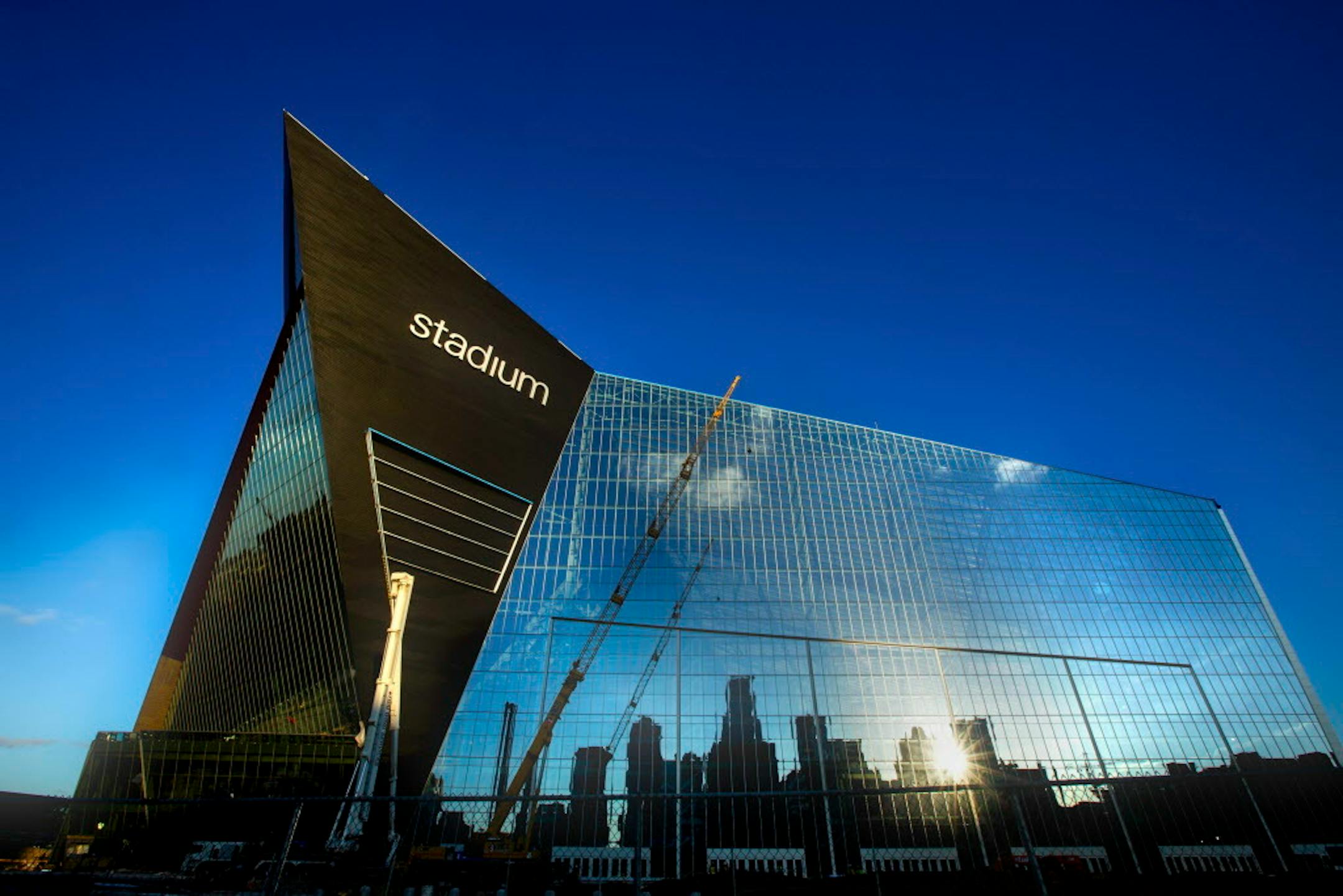
Investing in an NFL stadium in downtown Minneapolis is starting to look a little like buying RCA stock in the summer of 1929, gold in 1980 or shares of Apple stock last May.
We decided to sink a half-billion tax dollars into a gleaming U.S. Bank Stadium that finally opened the very season the audience for NFL games started slipping. So we were buying professional football at the peak of the market. What chumps.
Last Monday night our beloved Vikings looked bad in Chicago while losing to a team that previously had just one win. But the real story here is that the game generated the lowest TV rating for a Monday night game in the eighth week of the season since ESPN acquired rights to these games before the 2006 season.
In fact the rating was down 18 percent compared with the same week last year, although it is not really fair to blame just the Vikings (or Bears) for this one. That is more or less in line with the audience declines for NFL games that have been going on all season.
An NFL Sunday evening game broadcast two weeks ago did show a gain in viewers from the week before, yet it was hardly a good-news story for the league. For one thing, the rules of the game have been set up to minimize the chances of the dissatisfying outcome of a tie game, yet the Arizona Cardinals and Seattle Seahawks pulled off a fan-punishing, dreadful tie that concluded with each team blowing easy chances to win.
The other sobering aspect of this game for league executives is that even this matchup of elite teams managed to produce a lower TV rating than the same Sunday evening game of the 2015 season.
Fans might shrug off news of shrinking TV audiences as an advertiser's problem, yet there is no mistaking that what is at risk here is the basic business model of their favorite NFL team. The real value doesn't come from selling tickets (that's entertainment, a different business) but by delivering their fans to advertisers.
Forbes last estimated the Minnesota Vikings' annual revenue at a bit more than $300 million. It is known from the annual financial statements of the publicly held Green Bay Packers, among other sources, that the "national revenue" from the league for each team is about $225 million, and by far most of that is from TV. Much of the remaining local revenue is advertising, too.



