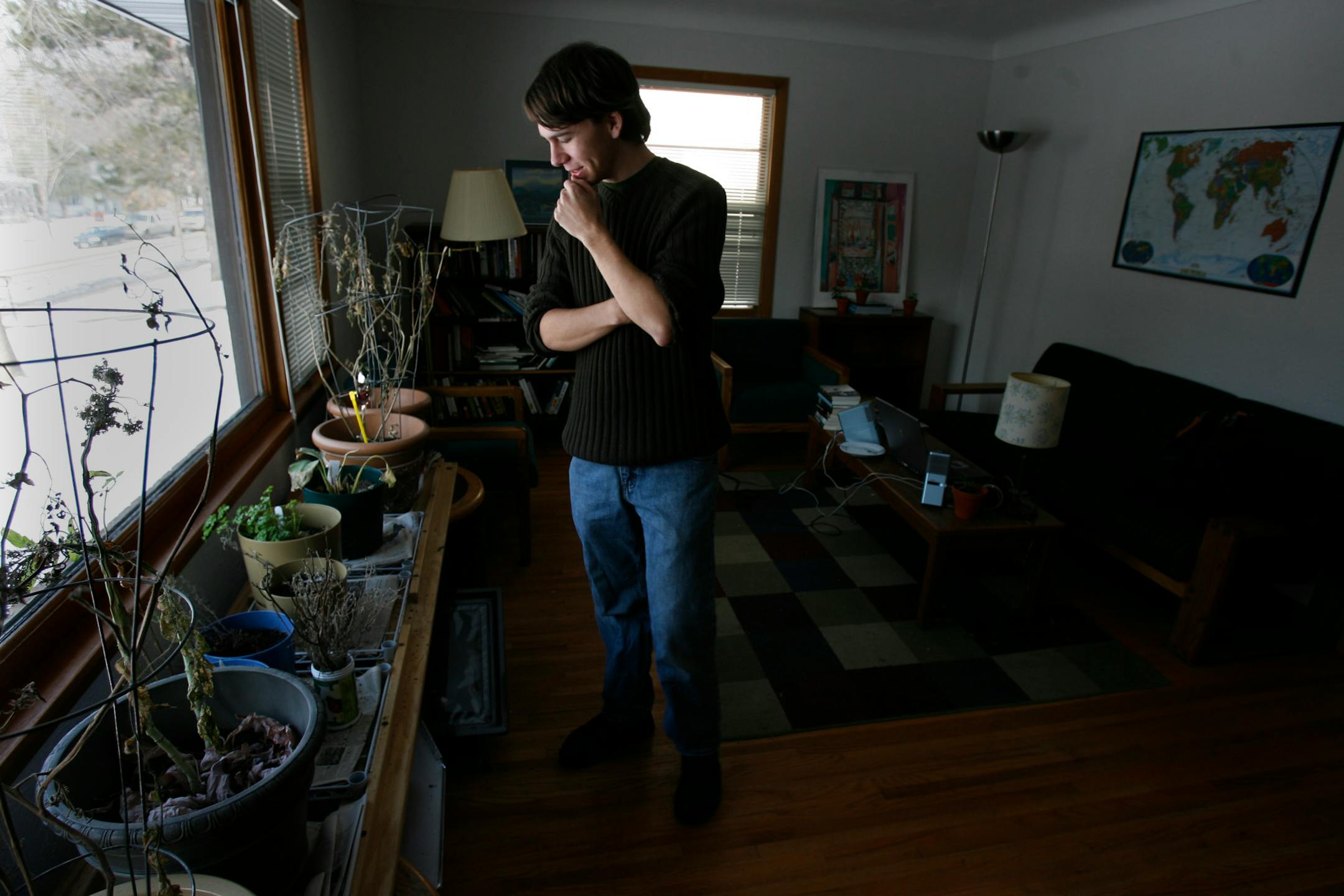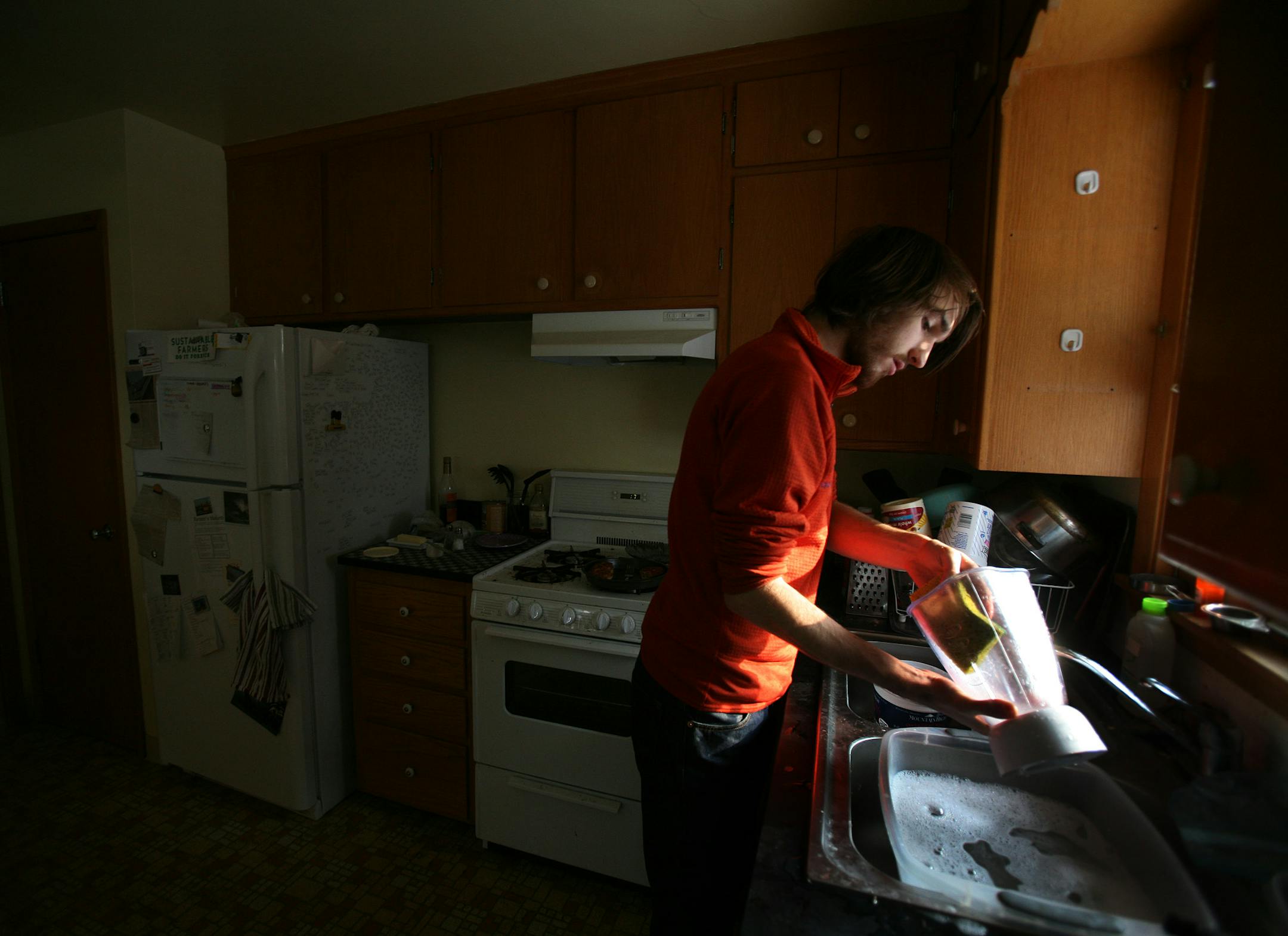
Avery Bowron wakes up and takes a shower with water warmed by two solar panels on the roof of the garage. He eats breakfast on counters made from recycled paper and cashew resin. And before heading to class, he takes his fruit peels, coffee grounds and uneaten bread crust downstairs and throws them in a box containing hundreds of slimy wriggling red worms.
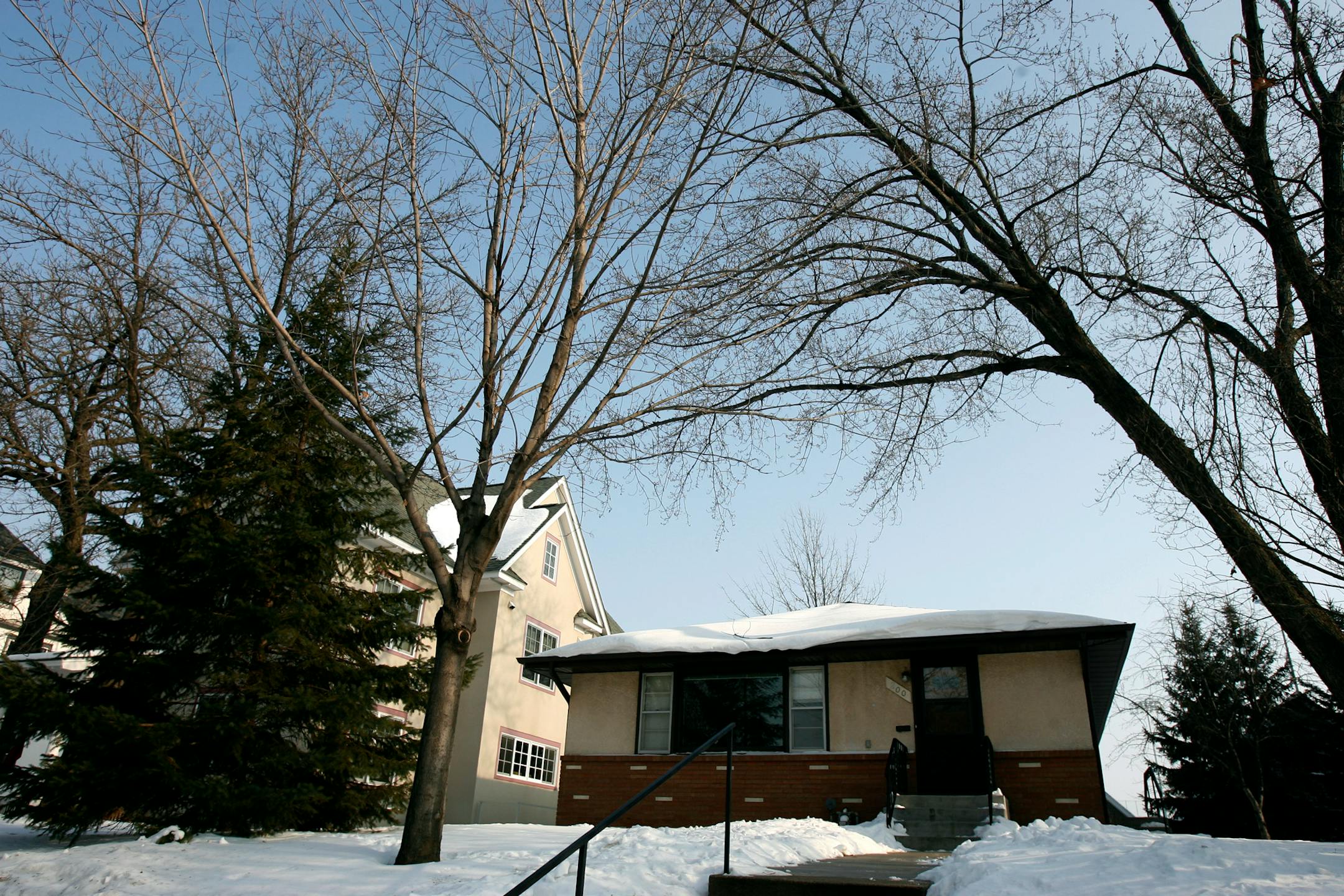
Another day has begun for the four students who live at Macalester College's Project EcoHouse, a green-living laboratory that looks unassuming from the curb, but is a blockbuster of sustainability.
Campus ecology is catching on in a big way at both small and large campuses around the state, offering students a unique housing option. It's a movement that's being driven by energy cost savings along with growing interest among students and faculty.
At the University of Minnesota Morris, for example, the goal is total energy self-sufficiency. By 2010, the entire campus will be heated by two giant wind turbines and a biomass burner. Morris is also in the process of building a residence hall that incorporates sustainable or green building design.
St. Olaf College in Northfield is putting sustainability and environmental design into action with several projects. A new science center aims to achieve a LEED (Leadership in Energy and Environmental Design) "Gold" rating from the U.S. Green Council. It also has a giant wind turbine that generates about a third of the energy for the college. A composter keeps 250,000 pounds of waste from its food-service operation out of landfills.
Macalester began renovating its eco-house last summer using green building techniques aimed at capturing the savings from energy upgrades to repay capital renovation costs. Once the capital costs are repaid to the Clean Energy Revolving Fund (CERF), the college will realize the ongoing savings.
Student Justin Lee was put in charge of the green renovation and used the three R's of recycling -- reduce, reuse and recycle -- to establish remodeling priorities on a $50,000 budget.
They kept the flooring and kitchen cabinets, refashioned one cabinet as a center island, and bought a recycled bathroom mirror from the ReUse Center in Minneapolis.