•••
It is beyond belief that President Donald Trump not only thinks he is above the law, now that a banner with his likeness hangs over the Department of Justice, a supposedly independent agency of the federal government, but that the Supreme Court justices should allow him to shred the Constitution with his executive orders. Their recent ruling of 6-3 that this administration’s tariff policy using the International Emergency Economic Powers Act was unlawful should have been 9-0, since the highest court in the land claims to be upholding the Constitution. Of the three branches of government (executive, legislative and judicial), the Supreme Court is where cases regarding alleged unlawful and unconstitutional actions are decided. Three of the GOP-appointed jurists showed their activist position by not voting for the longstanding principles of the document that founded America.
Jan McCarthy, Eden Prairie
•••
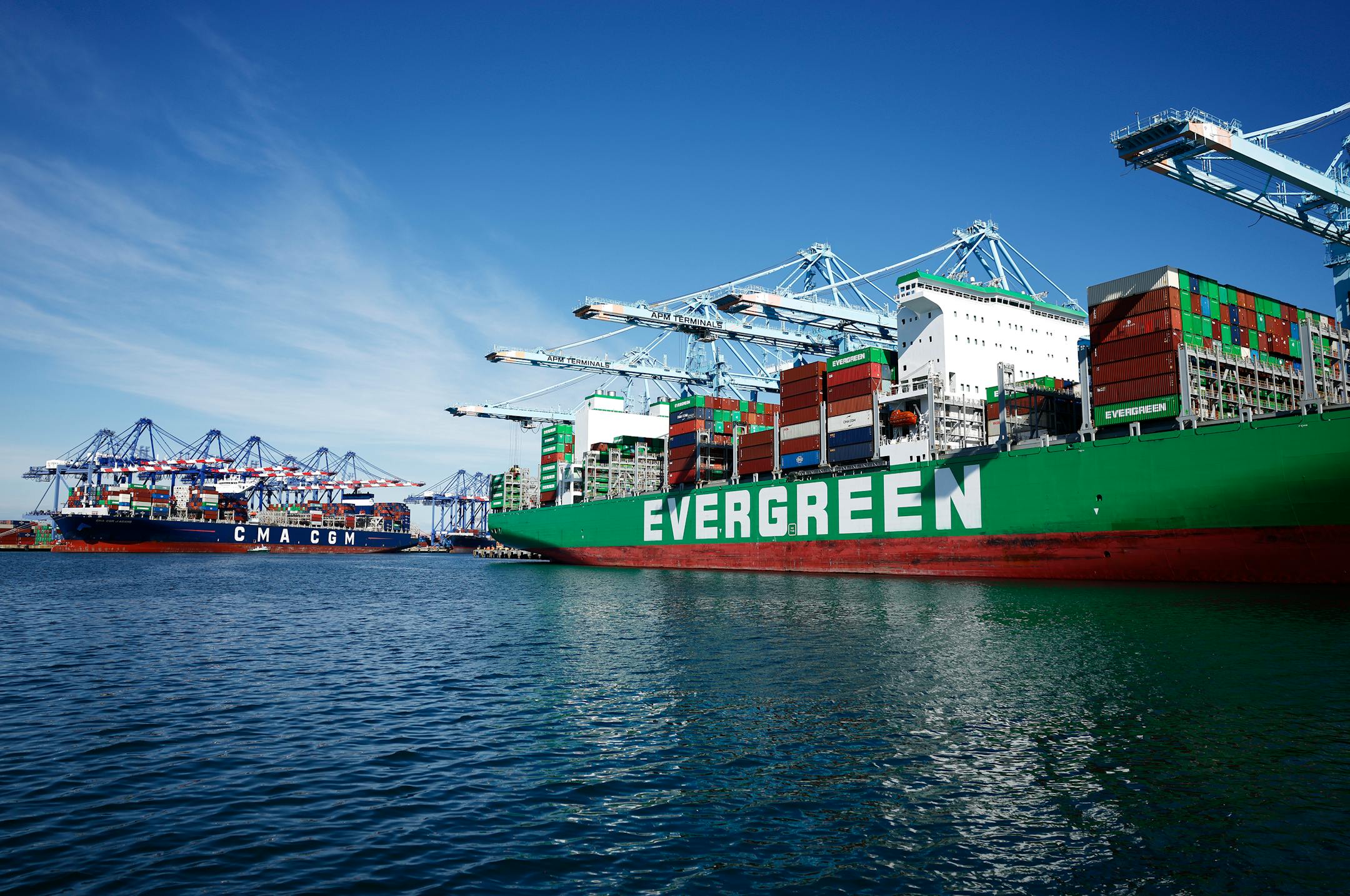
It is well-known that tariffs imposed by the U.S. are essentially a tax that Americans pay. That knowledge is nothing new. What continues to be concerning is the language in common use about tariffs, which tends to minimize and detract from the effect of tariff policy. When Trump and the media talk about tariffs as being placed on other countries, the statements are misleading. The tariffs are not placed on a country, they are placed on the goods we buy from that country.
For example, when General Motors buys parts from China, there is a tariff on the parts that General Motors buys. It may make Trump feel powerful to think in terms of punishing a country, and he may be hurting that country, but the tariff is not on the country, it is on the goods that we buy. Trump is imposing a tax on General Motors’ purchases. General Motors will pay the tariff and then will likely pass that additional cost onto the car buyer.
The point we need to remember here is that the frequent statement that tariffs are placed on a country, when repeated over and over, tends to hide the real economic effect of what is happening. The tariffs become a burden on us. It may be convenient to say otherwise, but that tends to divert attention from the economic impact of the tariff. So, instead of saying that a tariff is placed on China (in this example), let’s be more accurate and say that the tariff is placed on the goods we choose to buy from China.