

•••
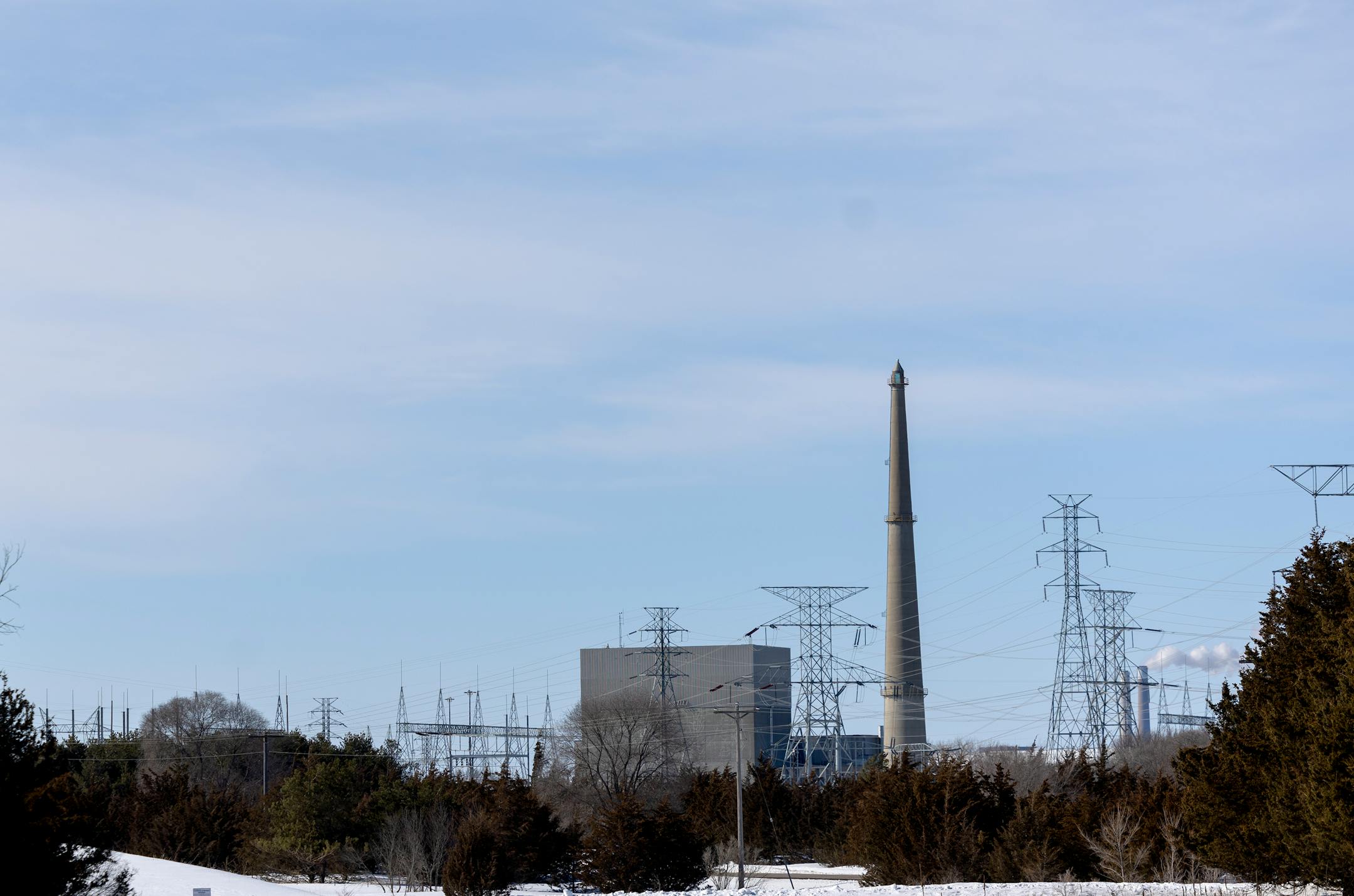
The Star Tribune March 17 front-page headline regarding a leak at the Monticello nuclear plant turned a respectable newspaper into a tabloid closer to the National Enquirer ("Xcel plant had radioactive water leak"; see also "Nuclear leak 6th-worst of its kind," March 22). Should a leak occur at a nuclear power plant? Of course not. Should a newspaper cause unwarranted fear of one of the safest means we have of generating electricity? Of course not. The glaring headline made it appear that there is imminent and serious risk of harm to the people of Minnesota. The reality is that the risk of even negligible harm to anyone is extremely low.
If the water that leaked from the plant was the only water a person consumed for a whole year, the resulting radiation dose would be about one-third of the natural background radiation dose received by each of us every year. These natural sources (the sky, the ground and the naturally occurring radioactivity in our own body) irradiate us over 10,000 times every second, making radiation a very common part of our environment. The leaked water at Monticello will of course be diluted by orders of magnitude before it ever reaches the Mississippi River or a public well, making any radiation dose a tiny fraction of the worst-case estimate mentioned above. And since radiation is an easy substance to monitor, the groundwater can be monitored to preclude an uncontrolled public exposure, effectively eliminating any radiation dose to a member of the public.
These facts lay bare the extreme divergence between the perceived risk posed by the front-page headline and the actual risk associated with the leak. From a risk perspective, it would make as much sense to have a front-page headline story about a commercial airliner flying at night with a single exterior light bulb burned out. A newspaper is supposed to inform and educate the public. In this instance, the Star Tribune played into the common fear people have of radiation by presenting the story in a manner that made people feel they should be very scared of nuclear power. As a result, the Star Tribune failed its duty as a newspaper.
John Windschill, Aitkin, Minn.
The writer worked in nuclear power for 37 years, including 10 at the Monticello plant as radiation protection manager.
•••

