

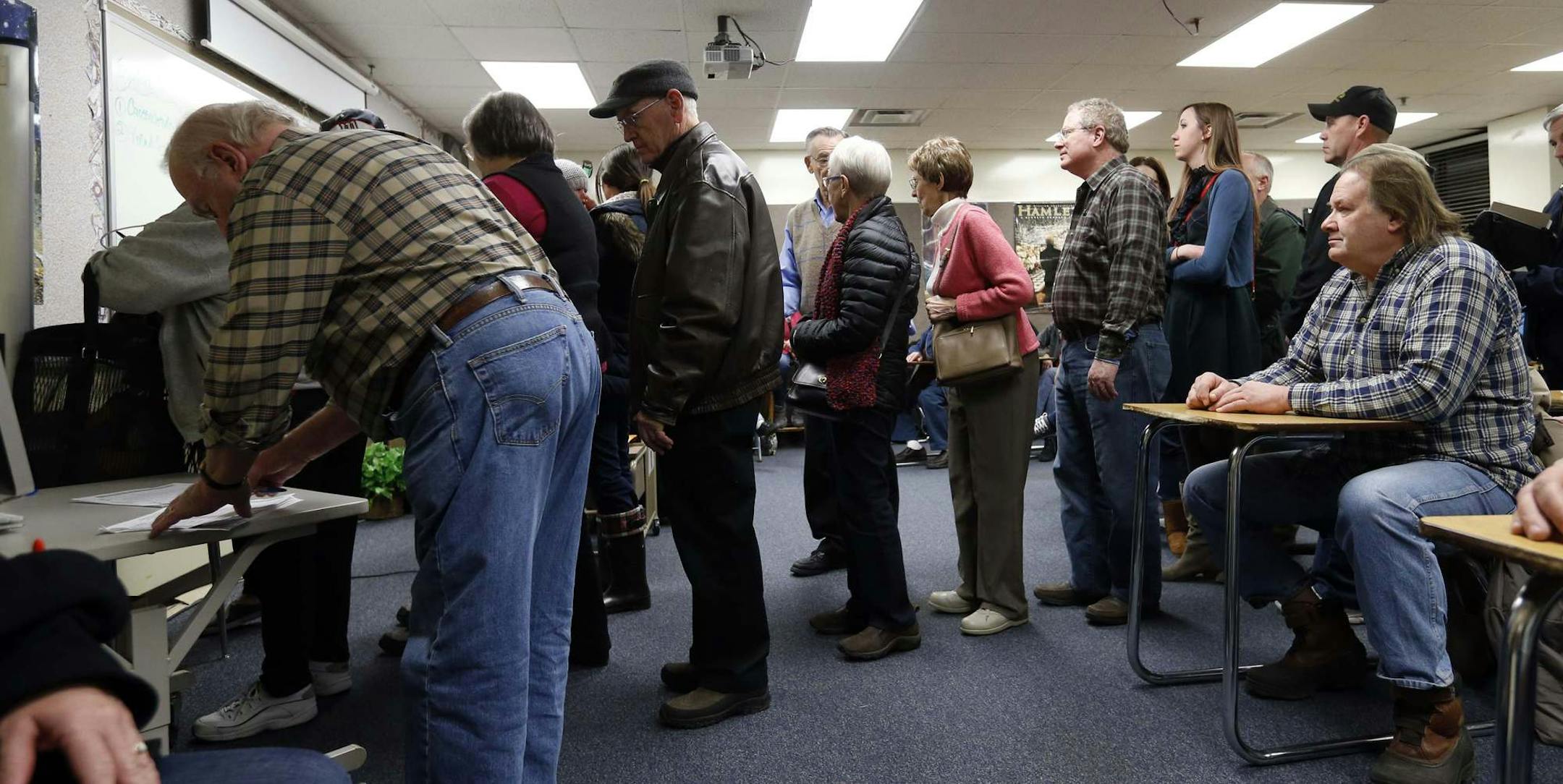
I returned from my 10th Minnesota caucus on Tuesday, where I was a caucus secretary and was nominated to be the precinct chair. I considered staying home that night and not participating in the caucus because I find this entire process to be the antithesis of a democratic process. To wit:
At our caucus, in the precinct that consistently has the highest voter turnout in the state, 34 people attended. Of those 34, two were African-American, two were Latinx and 30 were white. Though our precinct is home to over 7,000 students, we had only a handful attend our caucus that night. Though our precinct has a sizable Somali population, we did not have a single Somali attend our caucus. Our precinct is home to Hmong and other Asian-Americans, and yet there was not a single person from that constituency at our caucus.
We know why our caucus participation is not representative of our electorate: because so many people do not have the time to devote two hours on a weeknight to this process, have child care issues or find the process daunting. And for those whose first language is not English, we know that this complex process is too overwhelming and complex and in no way is welcoming and inclusive.
Tonight, we elected 17 delegates (we were allowed 42 based on our high voter turnout in the last election, but we only had 17 volunteers of the 34 of us in attendance), and not only do we not know who they will support on our behalf at the district convention, we don't even yet know who the candidates will be. We are holding a caucus before the deadline for candidates to file their intention to run!
Because we did not have enough attendees at the caucus, we did not have a contest for any of the delegate positions, and we know nothing about the delegates or how they will make decisions about the choices they will make at the convention.
What is democratic about this process? Nothing. It is time for our Democratic Party to become democratic. It is time for us to dump the caucus system entirely.
Brooke Magid Hart, Minneapolis
PRIMARIES
More candidates mean less support needed to win. For now.
I find it quite odd that we use a plurality system in the primaries, allowing a minority of voters to determine a front-runner candidate who will appeal to the majority for the general election.
What's a plurality? It's like the longest short straw. Simply divide 100 by the number of candidates and you have the threshold for a winner. So with five candidates, one only has to gain just over 20% of the vote to win.


